

Europe has a problem, and it’s a good one: there are too many brilliant cities and not enough holiday days. You can spend a week in Rome and feel like you barely scratched it. You can hop between four capitals in ten days and come home exhausted. Choosing the best cities to visit in Europe isn’t about finding the single winner. It’s about matching a city to the kind of trip you actually want.
That’s how this guide works. Instead of a copy-paste list of the same five postcards, you’ll find 18 cities, what each one is genuinely good at, how long it deserves, the best time to go, and the honest downsides nobody mentions in glossy brochures. You’ll also find practical sections on budget, seasons, transport and how to combine cities without wasting your days on trains.
Also Read : Best Vacation Spots That Will Make You Finally Book That Trip You Keep Putting Off
Whether this is your first trip across the Atlantic, your tenth weekend break from the UK, or a long-planned trip from South Asia or the Middle East, you should be able to finish this article and know which two or three cities belong on your list. t’sa practical shortlist of the best cities to visit in Europe in 2026, built for first-timers and repeat visitors alike.

How We Picked the Best Cities to Visit in Europe
Anyone can list famous places. To keep this list useful, every city was judged on six things:
- Things to actually do. Not just one landmark, but enough variety to fill several days without repeating yourself.
- Walkability and transport. You should be able to enjoy the city without renting a car or spending half your day on buses.
- Food and atmosphere. A great city feels good at 9 a.m. and at 11 p.m.
- Value for money. Expensive isn’t a dealbreaker, but you should get something for it.
- Ease for visitors. English is widely understood, signage is clear, and getting from the airport takes under an hour.
- Staying power. Cities that still feel worthwhile on your second visit scored higher than one-photo wonders.
Prices, opening hours and entry rules change often, so treat figures here as rough guides and check official websites before you book.
Quick Answer: Our Top Picks by Travel Style
If you just want the short version, start here.
- Best overall: Paris and Rome, still the heavyweights for a reason.
- Best for first-timers: London, Paris, Barcelona.
- Best for romance: Venice, Paris, Vienna, Seville.
- Best for food: Rome, Lisbon, Istanbul, Copenhagen.
- Best for budget travelers: Budapest, Kraków, Prague, Lisbon.
- Best for history lovers: Rome, Istanbul, Athens-style ancient layers, Prague.
- Best for beaches plus city life: Barcelona, Lisbon, Dubrovnik.
- Best for families: London, Amsterdam, Copenhagen, Barcelona.
- Best for winter and Christmas markets: Vienna, Budapest, Prague, Kraków.
Now let’s get into the cities themselves.
1. Paris, France: The Classic That Still Delivers
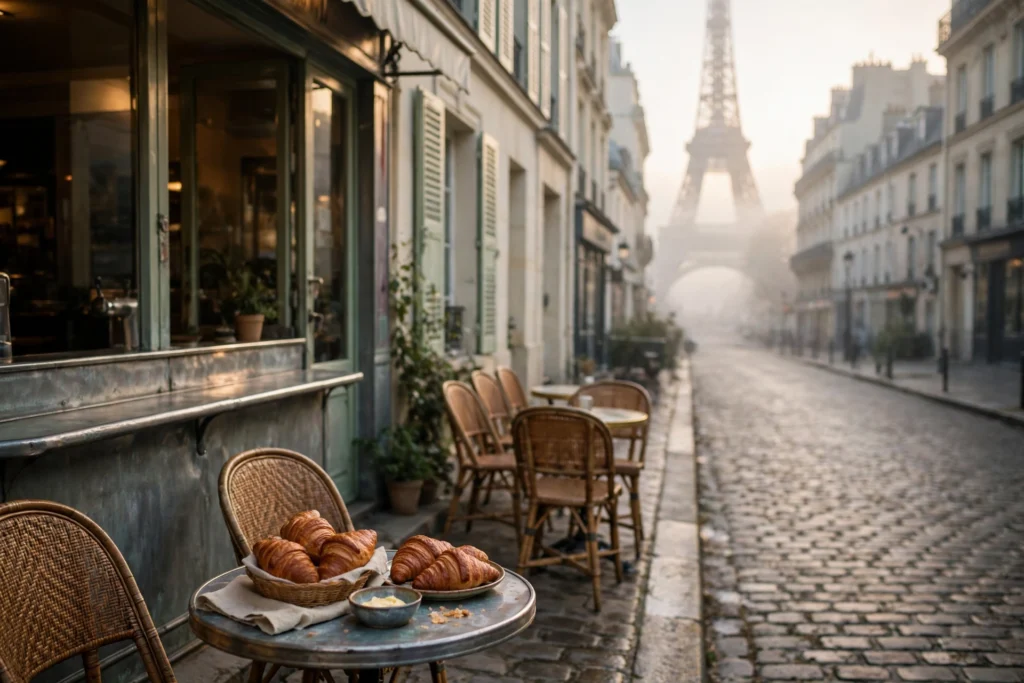
It’s easy to be cynical about Paris. The crowds, the queues, the café bill that makes your eyes water. And then you cross the Seine at dusk, the Eiffel Tower starts to sparkle, and you quietly forgive everything. Even the sceptics admit it belongs among the best cities to visit in Europe.
Paris works because it’s a city built to be walked. Spend a morning in the Marais, an afternoon wandering the Latin Quarter, and an evening picnicking on the Seine with a baguette, cheese and something red. The big sights are genuinely worth it: the Louvre, Musée d’Orsay, Notre-Dame’s ongoing restored surroundings, Sainte-Chapelle and Montmartre’s hilltop views. But the real magic is in the in-between moments, like a café crème at a zinc counter or a bakery queue at 8 a.m.
Best for: Art, architecture, romance, food, fashion.
How long: 4 days is comfortable. Add a day for Versailles or Giverny.
Best time: April to June and September to October. July and August are hot and busy, though locals leave and some small shops close. For a month-by-month breakdown, see our guide to the best time to visit Paris.
Insider tip: Book the Louvre and Eiffel Tower tickets online in advance for timed entry, and visit the Musée d’Orsay or Orangerie if you want great art without the Louvre’s sprawl. Use the Metro, which is cheap and covers nearly everything.
Read Must: Best Places To See Autumn Leaves Japan: The Ultimate Guide To Chasing Fall Color Like A Local
The catch: Pickpockets target tourists on busy lines and around landmarks. Keep your bag zipped in front of you.
2. Rome, Italy: History You Can Touch
Rome doesn’t ease you in. You turn a corner on the way to dinner and there’s a 2,000-year-old temple wedged between a pharmacy and a scooter shop. It’s chaotic, loud, gloriously messy and almost impossible not to love. Few of the best cities to visit in Europe pack this much history into an evening stroll.
The Colosseum, Roman Forum and Palatine Hill form the ancient core. The Vatican Museums and St. Peter’s Basilica make up the spiritual and artistic heart. But Rome rewards slower wandering: the Pantheon’s open oculus, the Trevi Fountain at 7 a.m. when it’s peaceful, the lively Trastevere lanes in the evening, and a plate of cacio e pepe in a family-run trattoria.
Best for: History, food, art, people-watching.
How long: 4 to 5 days. Rome is dense, and you’ll want rest breaks.
Best time: April to May and October. Summer is very hot and crowded.
Insider tip: Book the Colosseum and Vatican early in the day and in advance. Eat where Romans eat, which usually means a short menu, handwritten and not translated into six languages.
The catch: Cobblestones are tough on feet, and tourist-trap restaurants near the big monuments are overpriced and average. Walk two streets away.
3. Barcelona, Spain: Beach, Gaudí and Late Nights
Barcelona is the city for people who want everything in one place. Mornings in Gaudí’s fantastical buildings, afternoons on the beach, evenings of tapas and cava, and nights that don’t really get going until midnight. It is one of the best cities to visit in Europe if you want beach, culture and nightlife in a single trip.
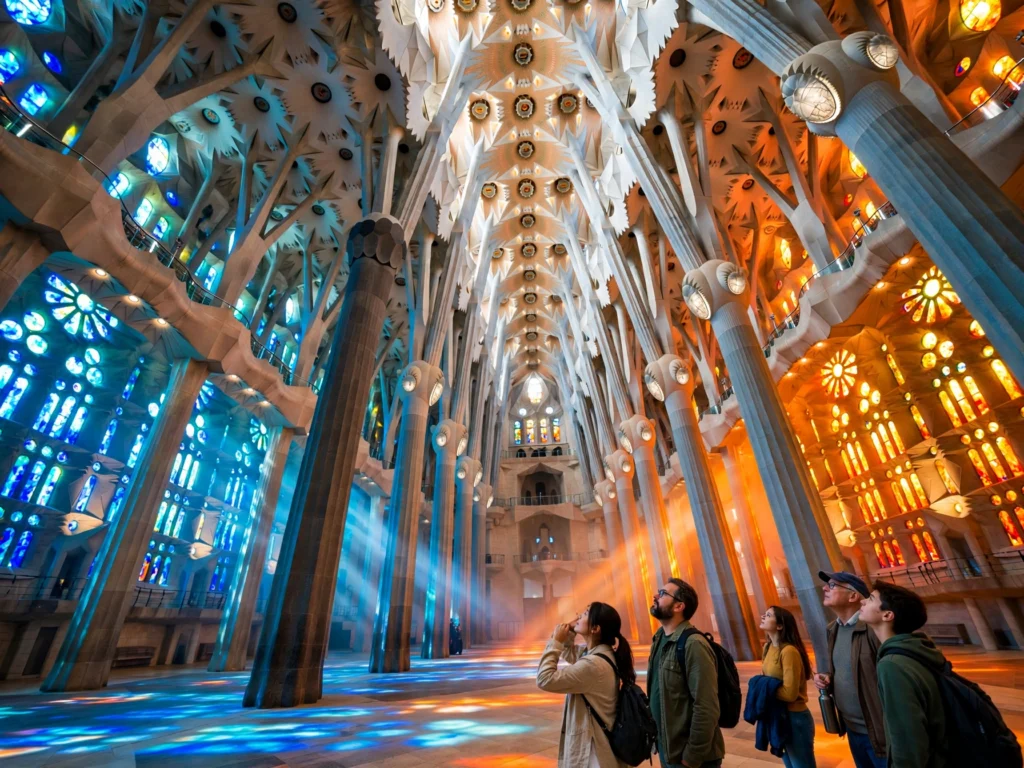
Sagrada Família is the headline act, a basilica still under construction after more than a century, and the interior is genuinely breathtaking when sunlight pours through the stained glass. Add Park Güell, Casa Batlló, the Gothic Quarter, the Born district, Montjuïc’s views and the buzzing La Boqueria market. If you need a rest, the city’s beaches are a metro ride away.
Best for: Architecture, beaches, nightlife, food, young travelers and groups.
How long: 3 to 4 days.
Best time: May, June and September. August is packed and sticky.
Insider tip: Book Sagrada Família and Park Güell ahead. Dinner is late, around 9 p.m., so snack on a mid-afternoon vermut and pintxos to survive.
The catch: Petty theft is a real issue, especially around La Rambla and the beach. Keep valuables out of sight and don’t leave phones on café tables.
4. London, England: Big, Bold and Never Boring
London rewards the curious. You can see royal palaces in the morning, hear a street musician by the Thames at lunch, eat food from fifty countries by dinner and catch a West End show at night, and none of it feels forced. For sheer variety, it remains one of the best cities to visit in Europe.
The British Museum, the Tower of London, Westminster Abbey, Tower Bridge, the National Gallery and Tate Modern are all worth your time. But London’s true charm is in its neighborhoods: Notting Hill’s pastel houses, Borough Market’s food stalls, Camden’s quirky shops, and the leafy calm of Hampstead Heath. Many of the top museums are free, which softens the sting of the city’s pricey hotels. Our round-up of the best things to do in London covers 45 unmissable experiences.
Best for: Museums, theatre, multicultural food, families, first-timers.
How long: 4 to 5 days.
Best time: May to September for long days, though December has festive lights and cozy pubs.
Insider tip: Use contactless payment on buses and the Tube, where daily fare caps keep costs sensible. Book popular attractions ahead to avoid the queue.
The catch: London is expensive, particularly accommodation. Look at areas just outside the center with direct Tube links.
5. Amsterdam, Netherlands: Canals, Culture and Cycling
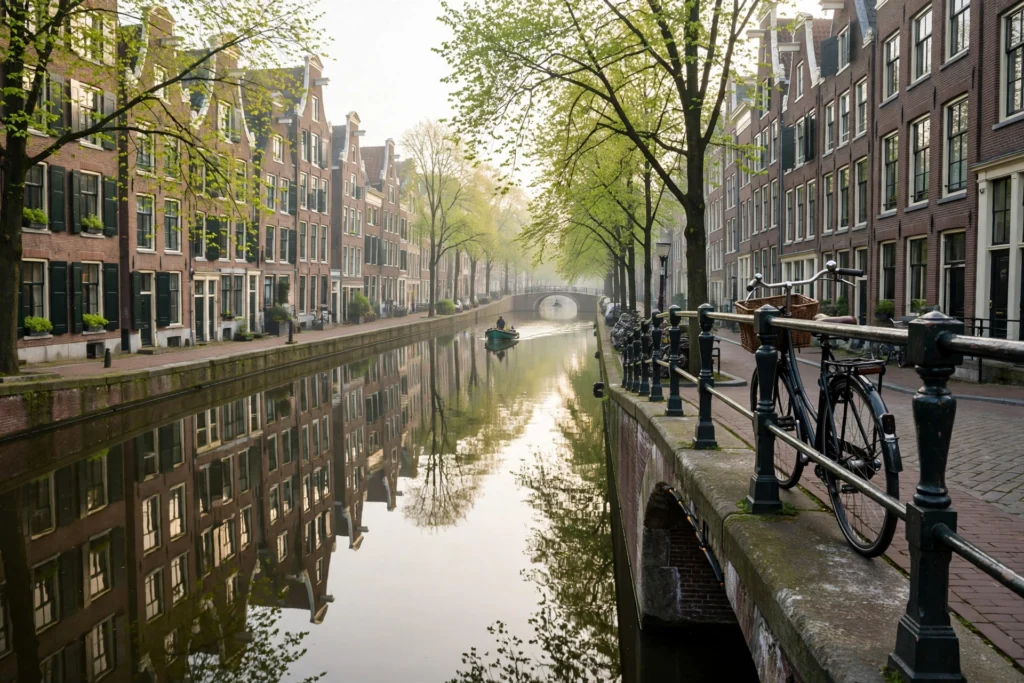
Amsterdam is compact, gorgeous and wonderfully easy. The 17th-century canal houses lean at charming angles, bikes whirr past on every street, and brown cafés serve cold beer in cozy rooms that feel centuries old. Its easygoing charm keeps it among the best cities to visit in Europe for a relaxed break.
The Rijksmuseum, Van Gogh Museum and Anne Frank House are the big three, and all need advance tickets. A canal cruise gives you the postcard view, but renting a bike (carefully, because Dutch cyclists mean business) is the better way to feel like a local. Wander the Jordaan, wander the Nine Streets, then escape on a day trip to the tulip fields, Haarlem or Utrecht.
Best for: Art, canal scenery, cycling, relaxed city breaks.
How long: 2 to 3 days, plus day trips.
Best time: Late March to May for tulips and mild weather; avoid weekends in peak summer if crowds bother you.
Insider tip: Stay slightly outside the central canal ring for better value and quieter evenings. Trams and trains are excellent.
The catch: The Red Light District is crowded, noisy and not a great place for families after dark. Also, never walk in the bike lane.
6. Lisbon, Portugal: Sunny, Hilly and Easy to Love
Lisbon has become one of the most loved cities in Europe, and it earns it. The light is golden, the trams rattle up steep streets, and the pastel tiles on every building look like a painter’s sketchbook. No wonder it keeps climbing the rankings of the best cities to visit in Europe.
You’ll climb a lot, so pack comfortable shoes. Tram 28 is fun but crowded, so consider riding early. Explore Alfama’s labyrinth of lanes, listen to fado in a small bar, eat a warm pastel de nata, and watch sunset from one of the many miradouros. Belém’s tower and monastery are worth a half-day, and Sintra’s fairy-tale palaces make a brilliant day trip.
Read Also : Best Holiday Destinations: 20 Places Worth Booking a Flight For
Best for: Food, views, budget-friendly trips, couples, digital nomads.
How long: 3 to 4 days, plus Sintra.
Best time: March to June and September to October.
Insider tip: Book a table for dinner at popular restaurants, and use the Metro or Uber for the steepest climbs.
The catch: Hills and slippery stone pavements, and prices have been climbing as tourism grows.
7. Prague, Czechia: A Fairy Tale With Great Beer
Prague survived the twentieth century with its medieval and baroque core miraculously intact. Wandering the Old Town at dawn, before the tour groups wake up, feels like stepping into a storybook. It is consistently voted one of the best cities to visit in Europe — and one of the most affordable.
The Charles Bridge, Prague Castle, Old Town Square with its astronomical clock and the Jewish Quarter are the core. Cross to Malá Strana for quieter, cobbled streets, then climb Petřín Hill for views over the red rooftops. Evenings belong to Czech beer, hearty goulash and dumplings, and a surprisingly good cocktail scene.
Best for: Architecture, beer, budget travel, winter markets.
How long: 3 days.
Best time: April to June, September, and December for Christmas markets.
Insider tip: Walk away from Old Town Square to eat. Prices drop and quality rises as you leave the main tourist drag.
The catch: Bridge-top crowds can be intense in summer, and exchange-booth scams are common. Pay by card or use an ATM from a proper bank.
8. Vienna, Austria: Elegant, Calm and Cultured
Vienna doesn’t shout. It sips coffee, reads a newspaper and waits for you to notice how beautiful it is. Imperial palaces, grand boulevards, concert halls and coffeehouse culture make it one of Europe’s most refined cities. For culture without chaos, it is one of the best cities to visit in Europe.
Schönbrunn Palace, the Hofburg, the Belvedere with Klimt’s The Kiss, and the Vienna State Opera are the classic stops. But the real Vienna is a slow afternoon in a historic coffeehouse with a slice of Sachertorte, or an evening at a Heuriger wine tavern in the vineyards on the city’s edge. Vienna is also famously clean, safe and easy to navigate.
Best for: Classical music, museums, coffee culture, couples, Christmas markets.
How long: 3 days.
Best time: April to June, September to October, and December.
Insider tip: Standing-room tickets at the opera are cheap and let you experience the building without a huge bill.
The catch: Quiet on Sundays, when many shops close, so plan museum visits and markets accordingly.
9. Budapest, Hungary: Thermal Baths and Moody Beauty
Budapest is two cities split by the Danube: hilly, historic Buda and flat, lively Pest. Together they make one of Europe’s best-value capitals, with grand architecture, crumbling courtyards and some of the best nightlife on the continent. Together they make it one of the best cities to visit in Europe on a budget.
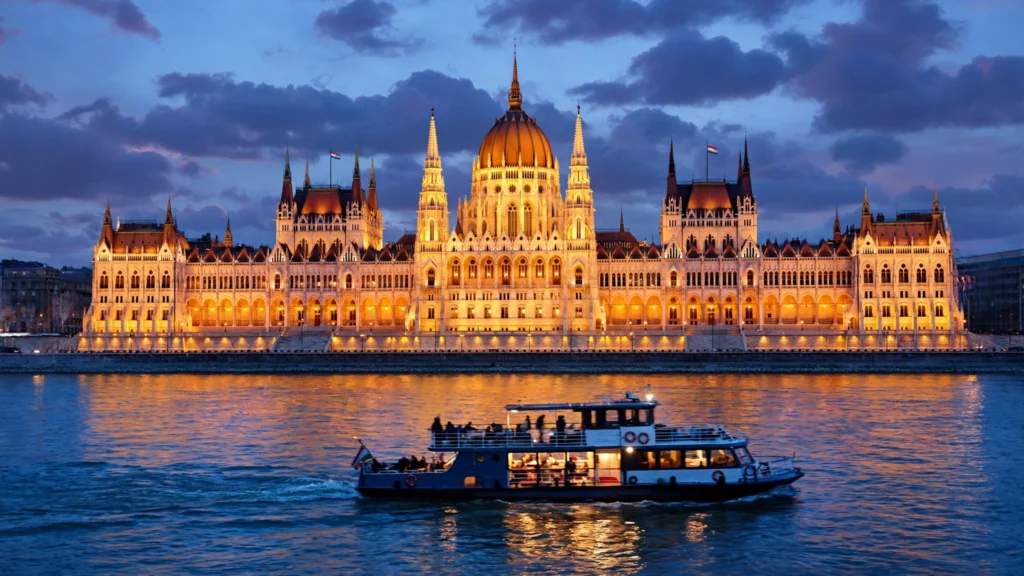
Soak in a thermal bath such as Széchenyi or Gellért, which is as much a social ritual as a spa. Walk across the Chain Bridge, climb to Fisherman’s Bastion for a view of the Parliament, and then explore the ruin bars of the Jewish Quarter. Food is hearty and affordable: goulash, lángos and chimney cake are all worth trying.
Best for: Budget travel, nightlife, thermal baths, architecture.
How long: 3 days.
Best time: April to June, September to October. Winter is cold but the baths are even more magical in steaming outdoor pools.
Insider tip: The Danube at night is spectacular, so take a evening river cruise when the Parliament building is lit up.
The catch: Taxi scams happen, so use official apps or ride-hailing services.
10. Berlin, Germany: Raw, Creative and Endlessly Interesting
Berlin isn’t pretty in the postcard sense, and that’s exactly the point. It’s a city that wears its history openly, from the remains of the Wall to the Holocaust Memorial, and then turns around and throws a party in a repurposed power station. For travellers who like their cities raw and real, it is one of the best cities to visit in Europe.
Start with the Brandenburg Gate, the Reichstag dome (free with advance registration), the East Side Gallery and Museum Island. Then drift into neighborhoods: Kreuzberg for street food and street art, Prenzlauer Berg for cafes and leafy streets, Friedrichshain for nightlife. Berlin’s kebabs, currywurst and craft coffee scene are all excellent, and it’s one of the cheaper major capitals in Western Europe.
Best for: Modern history, nightlife, street art, alternative culture.
How long: 3 to 4 days.
Best time: May to September, when beer gardens and canal-side lawns fill up.
Insider tip: Take a free or tip-based walking tour on day one to get your bearings, and pick up a transit day ticket for the U-Bahn and S-Bahn.
The catch: The city is spread out, so don’t try to see everything in one neighborhood a day. Many smaller places still prefer cash.
Also Read : 35 Best Things to Do in Montego Bay (Local Tips, Costs & Itineraries)
11. Florence, Italy: The Renaissance in Walking Distance
Florence is small enough to cross on foot in half an hour, yet it holds more art per square meter than almost anywhere on Earth. Michelangelo’s David, Botticelli’s Birth of Venus and Brunelleschi’s dome all live here, and you can reach them within a short stroll of each other. Art lovers consistently rate it among the best cities to visit in Europe.
Book the Uffizi and Accademia in advance, climb the Duomo’s dome if you’re up for 460-odd steps, then cross the Ponte Vecchio and wander the Oltrarno side, where artisans still make leather and paper by hand. Sunset from Piazzale Michelangelo is a must. Eat a thick bistecca alla fiorentina, then finish with gelato from a place where the pistachio is pale green rather than neon.
Best for: Art lovers, food and wine, romantic getaways, Tuscan day trips.
How long: 2 to 3 days, or 4 if you want Siena, Pisa or the Chianti hills.
Best time: April to May and September to October.
Insider tip: Skip the tourist menus near the Duomo and eat in the Sant’Ambrogio market area or across the river.
The catch: It’s crowded and hot in summer, and the historic center can feel like a museum queue.
12. Venice, Italy: Improbable and Unforgettable
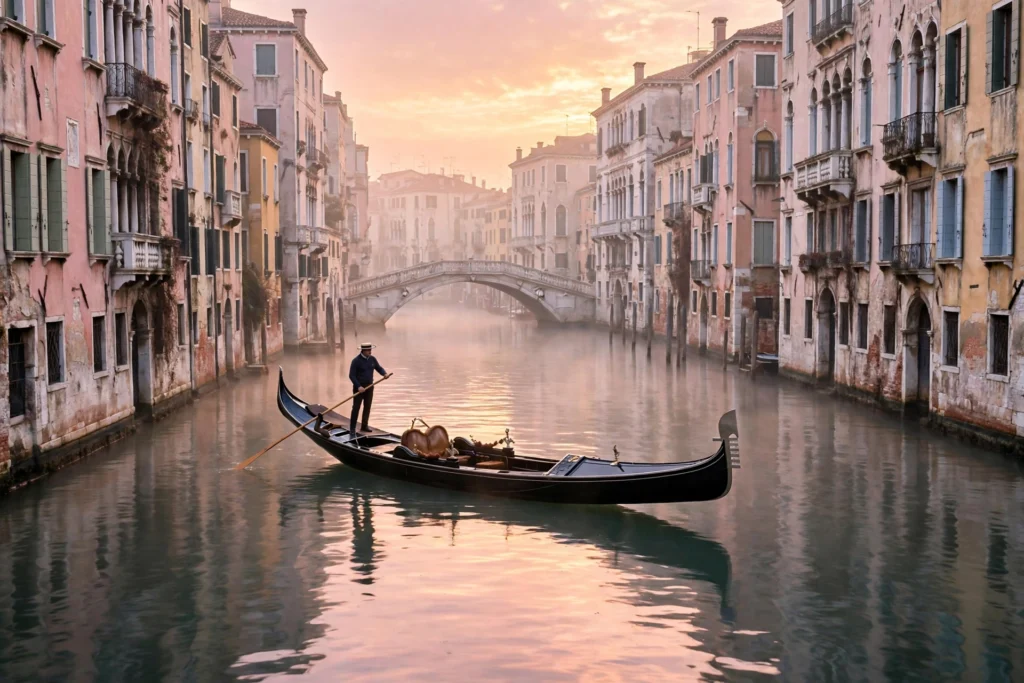
Venice shouldn’t exist. A city built on a lagoon, with no cars, where the main roads are canals and a delivery arrives by boat. And yet here it is, shimmering and slightly fragile, still managing to take your breath away on the first evening. Improbable as it is, it remains one of the best cities to visit in Europe at least once.
St. Mark’s Basilica and the Doge’s Palace are the grand set pieces, but Venice’s true joy is getting lost. Cross small bridges, turn down dead-end alleys, and drift into quiet corners in Cannaregio and Dorsoduro. Ride the vaporetto along the Grand Canal at golden hour, share cicchetti (small bites) with a spritz in a bacaro, and take a ferry to colorful Burano and glassmaking Murano.
Best for: Romance, photography, art, atmosphere.
How long: 2 days is enough for most, with an overnight stay worth it so you see the city after day-trippers leave.
Best time: April to May and September to November. Winter brings mist and acqua alta flooding risk, but also quiet streets.
Insider tip: Check current day-visitor entry fee rules for the historic center before you go, as the city has been trialing a day-tripper charge on busy dates.
The catch: It’s pricey and very crowded in peak season. Stay overnight and explore early or late.
13. Istanbul, Türkiye: Where Two Continents Collide
Few cities can match Istanbul’s sheer sensory overload. Call to prayer drifts across the Bosphorus, ferries cut through the water, spice markets smell of saffron and sumac, and every street seems to climb up or drop down to something extraordinary. It sits across Europe and Asia, so a ferry ride is also a continent change. It is one of the most thrilling of the best cities to visit in Europe — straddling two continents, after all.
Hagia Sophia, the Blue Mosque, Topkapı Palace and the Basilica Cistern form the historic Sultanahmet core. Then cross the Galata Bridge, wander Karaköy and Beyoğlu, and head to the Grand Bazaar for a lesson in haggling. Food is a highlight: fresh simit, grilled fish sandwiches by the water, baklava, strong Turkish tea and a long meze dinner.
Best for: History, food, culture, shopping, good value.
How long: 4 days.
Best time: April to May and September to November.
Insider tip: Use public ferries for cheap Bosphorus views, and check opening and dress code details for mosques before you go.
The catch: Traffic is heavy, carpet-shop pressure can be persistent, and you should agree taxi fares or use a meter or app.
14. Copenhagen, Denmark: Design, Food and Good Living
Copenhagen is what happens when a city decides to be livable. Cyclists glide along dedicated lanes, locals swim in the harbor in summer, and cozy hygge cafes turn gray days into something warm. It regularly tops quality-of-life polls and lists of the best cities to visit in Europe.
See the colorful Nyhavn waterfront, Rosenborg Castle, the Round Tower and the quirky Tivoli Gardens. Explore Christianshavn’s canals, the alternative Freetown Christiania with respect for local rules, and the trendy Nørrebro and Vesterbro neighborhoods. The food scene is world-class, from famous fine dining to humble smørrebrød open sandwiches and pastries that put every cinnamon roll elsewhere to shame.
Best for: Design, food, cycling, families, relaxed city breaks.
How long: 3 days.
Best time: June to August for long daylight, or December for Tivoli’s Christmas lights.
Insider tip: The Copenhagen Card can be worthwhile if you plan several paid attractions. Rent a bike and follow the cycle lanes.
The catch: Denmark is expensive, especially restaurants and alcohol. Picnic lunches and bakery breakfasts help.
15. Edinburgh, Scotland: Castles, Closes and Storytelling
Edinburgh looks like a film set because, well, it often is. A medieval Old Town snakes down from a volcanic castle rock, a Georgian New Town sits neatly across a valley, and an extinct volcano called Arthur’s Seat looms over everything. Storybook looks and festival buzz keep it among the best cities to visit in Europe.
Walk the Royal Mile, tour Edinburgh Castle, then lose yourself in the winding closes and graveyards that inspired writers from Stevenson to Rowling. Climb Calton Hill for an easy sunset view, visit the National Museum of Scotland (free), and duck into a pub for haggis, neeps and tatties or a dram of whisky. In August the Festival Fringe takes over and the whole city becomes a stage.
Best for: History, scenery, literature, pubs, festivals.
How long: 2 to 3 days, with Highlands or Stirling day trips if you have time.
Best time: May to September, though the Fringe in August means high prices and big crowds.
Insider tip: Wear layers and waterproofs. The weather changes in minutes, and the hills are steeper than they look.
The catch: The cobbles are rough and hotel prices spike during festivals, so book early.
16. Seville, Spain: Orange Blossom, Flamenco and Fire
Seville is Spain at full volume, in the best way. It’s the home of flamenco, tapas culture and Moorish-Christian architecture, and in spring the air is sweet with orange blossom. For pure atmosphere, it is one of the best cities to visit in Europe.
The Real Alcázar, with its intricate tilework and gardens, is the star and rivals the Alhambra in beauty. Visit the vast cathedral and climb the Giralda tower, stroll Plaza de España, and wander the old Santa Cruz quarter. Evenings call for tapas hopping and a live flamenco show in a small peñá or tablao in Triana.
Best for: Culture, architecture, food, romance.
How long: 2 to 3 days.
Best time: March to May and October to November. Summer temperatures can be punishing.
Insider tip: Tour the Alcázar early, book tickets ahead, and rest in the shade from 2 to 5 p.m. like the locals do.
The catch: The heat in July and August is truly severe, so only go if you can handle it.
Also Read : Best Places to Visit in December: 28 Destinations for Snow, Sun, Festive Markets and Fresh Starts
17. Dubrovnik, Croatia: The Adriatic Pearl
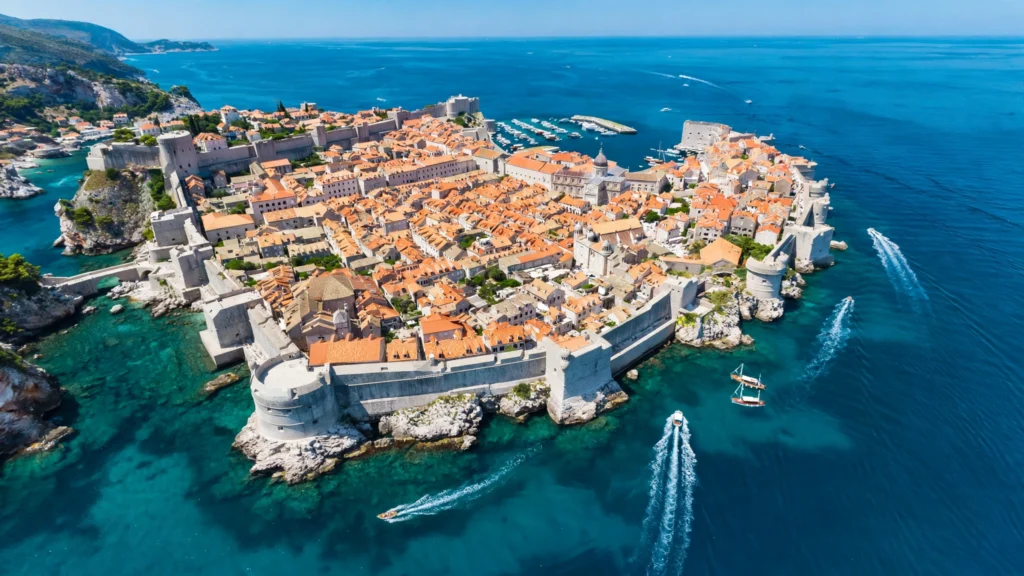
Dubrovnik’s limestone walls rise straight out of the Adriatic, and the red-roofed Old Town inside is one of Europe’s most photogenic places. It’s a small city, but the setting makes it feel huge. Few coastal towns can compete — it earns its place among the best cities to visit in Europe.
Walk the city walls (go early or late to beat the heat and cruise groups), ride the cable car for panoramic views, and swim off the rocks below the walls. Take a boat to the Elaphiti Islands or a day trip to Montenegro’s Kotor. Seafood is the star: grilled fish, black risotto and local oysters from nearby Ston.
Best for: Coastal scenery, history, swimming, couples.
How long: 2 to 3 days.
Best time: May, June, September. Cruise ships make July and August very busy.
Insider tip: Check cruise ship schedules and plan your wall walk for when fewer ships are in port.
The catch: It’s one of Europe’s most overcrowded and pricey destinations in high season.
18. Kraków, Poland: The Underrated Favorite
Kraków is the kind of city people visit expecting very little and leave ranking among their favorites. The enormous medieval market square, the hilltop Wawel Castle and a cozy cafe culture make it a joy. It is the underdog of our best cities to visit in Europe list, and readers’ polls agree.
Spend a day around the Main Market Square, St. Mary’s Basilica and Wawel Hill. Wander Kazimierz, the old Jewish Quarter, now filled with atmospheric bars and restaurants. Eat pierogi, zapiekanki and obwarzanki, and drink vodka or craft beer without worrying about your bank account. Many visitors also make the respectful, sobering trip to Auschwitz-Birkenau or the Wieliczka Salt Mine.
Best for: Budget travel, history, food, winter breaks.
How long: 3 days.
Best time: May to September, plus December for Christmas markets.
Insider tip: Book Auschwitz-Birkenau tickets well in advance and plan for a half-day or more. It’s a heavy, important visit.
The catch: Winters are cold and gray, though this keeps prices low.
Hidden Gems Worth Adding to Your List
If you’ve already ticked off the big names, or you want fewer crowds, these smaller cities punch above their weight:
- Porto, Portugal: Riverside Ribeira, port wine cellars and tile-covered churches, at lower prices than Lisbon.
- Ljubljana, Slovenia: A tiny, green, car-free center with a riverside café scene, and Lake Bled nearby.
- Utrecht, Netherlands: All the canal charm of Amsterdam, with smaller crowds and a student-town buzz.
- Bologna, Italy: Arguably Italy’s best food city, with arcaded streets and fewer tourists.
- Ghent, Belgium: Medieval beauty without Bruges’s crowds.
- Tallinn, Estonia: A fairy-tale walled Old Town paired with a lively tech-forward modern city.
Best European Cities by Travel Style
Best Cities for First-Time Visitors
Paris, London, Rome and Barcelona are easy first picks. They have excellent transport, plenty of English spoken, and highlights you’ve heard about your whole life. Start with one or two, and don’t overpack your schedule.
Best Cities for Couples and Romance
Venice, Paris, Vienna, Florence and Seville lead the way. Think candlelit dinners, historic hotels, river views and slow evenings. Lisbon and Dubrovnik add sunsets and sea air.
Best Cities for Budget Travelers
Budapest, Kraków, Prague, Lisbon and Istanbul give you the most for your money. You can eat well, sleep comfortably and enjoy plenty of free sights without watching every penny.
Best Cities for Food Lovers
Rome, Bologna, Lisbon, Istanbul, Copenhagen and Seville offer unforgettable meals. Look for markets, local specialties and small neighborhood restaurants rather than famous addresses.
Best Cities for Families
London (free museums and parks), Amsterdam (compact and bike-friendly), Copenhagen (Tivoli and playgrounds) and Barcelona (beaches plus parks) are easy for kids and parents alike.
Best Cities for Winter and Christmas Markets
Vienna, Prague, Budapest, Kraków and Copenhagen shine in December. Mulled wine, twinkling lights and warm cafes make cold weather feel like part of the fun. For more festive inspiration, see our round-up of the best places to visit in December.
When Is the Best Time to Visit European Cities?
There’s no single perfect month, but each season has a different personality.
Spring (April to June): Often the sweet spot. Weather is mild, gardens are blooming and crowds haven’t peaked. It’s ideal for Paris, Amsterdam, Rome, Seville and Lisbon.
Summer (July to August): Long days and lively festivals, but also heat, crowds and the highest prices. Southern cities like Seville, Rome and Athens-style hot spots can be exhausting. Northern cities such as Copenhagen and Edinburgh are more comfortable.
Autumn (September to October): Another favorite. Seas are still warm, crowds thin out and prices ease. It’s excellent for Barcelona, Venice, Florence and Vienna. It is also one of the best months to travel — see our guide to the best places to travel in October.
Winter (November to March): Cheaper flights and hotels, with fewer visitors. Cold weather suits cities built around museums, cafes and Christmas markets. Check opening hours, because some attractions shorten their schedules.
How Much Does a European City Trip Cost?
Costs vary hugely by city and season, so use this as a rough compass rather than a promise. Budget cities in Central and Eastern Europe, such as Budapest, Kraków and Prague, are generally much cheaper than Copenhagen, London, Paris or Amsterdam. Accommodation is usually the biggest expense, followed by food and attractions.
A few ways to keep costs sensible:
- Travel in shoulder season (April, May, late September, October).
- Stay a short metro ride from the center rather than in the tourist core.
- Eat your main meal at lunch, when many restaurants offer set menus.
- Use city passes only if you’ll visit enough paid attractions to make them worthwhile.
- Book museums and major sights online, which often saves time more than money.
Getting Around: Trains, Flights and City Transport
Europe’s rail network is one of its great travel advantages. High-speed trains link cities such as Paris, London, Amsterdam and Brussels, while Italy’s fast trains connect Rome, Florence and Venice in comfortable hours. For longer hops, such as Lisbon to Prague, a budget flight usually makes more sense.If you plan to hop between several of the best cities to visit in Europe, a Eurail pass can work out cheaper than buying every ticket separately.
Inside cities, skip the car. Public transport, walking and bikes are better, cheaper and less stressful. Many cities offer 24-, 48- or 72-hour transit passes that pay for themselves quickly.
Read Also : Best Places to Travel in October: 19 Destinations Picked by Weather, Crowds and Budget
Sample Multi-City Itineraries
If you’re combining cities, keep travel days short and the route logical. Here are a few combinations that work well.
- Classic Western Europe (10 days): London, Paris, Amsterdam by train.
- Italian Highlights (10 days): Rome, Florence, Venice by high-speed rail.
- Central Europe on a budget (9 days): Prague, Vienna, Budapest, easily linked by train.
- Iberian Escape (9 days): Lisbon, Seville, Barcelona with a mix of flights and fast trains.
- Northern Charm (7 days): Copenhagen, Edinburgh or Amsterdam with short flights between.
A good rule of thumb is to allow at least three nights in each city. Moving every night eats into your time and energy.
Common Mistakes to Avoid When Planning a European City Trip
- Overpacking the itinerary. Four cities in five days leaves you with a blur of train stations.
- Skipping advance bookings. Top attractions like the Colosseum, Sagrada Família and the Anne Frank House sell out.
- Eating only near landmarks. Walk five minutes away for better food and fairer prices.
- Ignoring local rules. Check entry requirements, dress codes for religious sites and visitor fees well before you travel.
- Forgetting travel insurance and a copy of your documents. Small precautions save big headaches.
- Visiting only in peak summer. Shoulder season is often cheaper, cooler and calmer.
Visa and entry rules for the Schengen area and for the UK, Türkiye and others differ by passport, and they change. Check official government sites before booking flights.

Final Thoughts
If you want one answer, it depends on the trip you want. Pick Rome for history and food, Paris for romance and art, Barcelona for energy and sunshine, Lisbon or Budapest for value and charm, and Edinburgh or Copenhagen for something calmer and more northern. Whichever you choose, give it enough time, book the headline sights in advance and leave space to wander without a plan. The best moments in European cities rarely appear on a checklist.These are the best cities to visit in Europe when you want a trip that feels like more than the sum of its sights.
Now open a map, pick two cities that make you excited, and start planning.
Frequently Asked Questions
1. What is the best city to visit in Europe for the first time?
Paris, London, Rome and Barcelona are the most popular first-timer picks. They have great public transport, well-known landmarks and lots of English spoken. If you want something a little easier and less overwhelming, Amsterdam or Vienna are compact and relaxed. These four also top most rankings of the best cities to visit in Europe, so you cannot go far wrong with any of them.
2. What is the cheapest European city to visit?
Budapest, Kraków, Prague and Istanbul are generally among the cheapest big-name city destinations, with lower prices on food, local transport and accommodation. Lisbon and Porto are also good value compared with Western European capitals. For budget-conscious travellers comparing the best cities to visit in Europe, these four offer the most for your money.
3. What is the most romantic city in Europe?
Venice, Paris and Vienna are the usual favorites. Florence, Seville and Dubrovnik also feel romantic, thanks to historic streets, beautiful views and long evenings with good food and wine. All six regularly feature in roundups of the best cities to visit in Europe for couples.
4. How many days do I need in each European city?
Three nights is a comfortable minimum for most major cities. Rome and London deserve four or five, while smaller places such as Florence, Seville or Venice can work well in two or three days. Allow the full time — rushing through the best cities to visit in Europe is the most common regret we hear.
5. When is the best time to visit Europe?
Spring (April to June) and early autumn (September to October) usually offer the best mix of weather, smaller crowds and fair prices. Summer is busy and hot in southern Europe, while winter is great for Christmas markets and city breaks with museums. These shoulder-season months are when many of the best cities to visit in Europe are at their most pleasant.
6. Is it better to travel between European cities by train or plane?
For distances up to about four or five hours, trains are often better because they connect city center to city center and avoid airport queues. For longer distances, such as Lisbon to Prague, flights are usually faster and sometimes cheaper. Rail passes make hopping between the best cities to visit in Europe easy and often cheaper than flying.
7. Which European cities are best for families with kids?
London, Amsterdam, Copenhagen and Barcelona are all strong choices. They have excellent parks, kid-friendly museums, easy public transport and plenty of casual places to eat. They also rank among the best cities to visit in Europe for a first family trip abroad.
8. Are European cities safe for tourists?
Most major European cities are safe for visitors, and violent crime against tourists is uncommon. The main risk is pickpocketing in crowded places such as metros, landmarks and markets, so keep your belongings secure and stay alert. Standard city precautions apply in all of the best cities to visit in Europe, just as they would anywhere.
9. Which European cities are best for Christmas markets?
Vienna, Prague, Budapest, Kraków and Copenhagen are some of the most atmospheric. Many cities in Germany and Austria also have excellent traditional markets in December. If winter travel is your thing, these are some of the best cities to visit in Europe in December.
10. Do I need a visa to visit European cities?
It depends on your nationality. Many travelers need a Schengen visa for countries in the Schengen area, while the UK, Türkiye and some other countries have separate rules. Always check the official government website for your passport before booking, as entry requirements and travel authorization systems can change. Check the rules for each country on your list of the best cities to visit in Europe before you book.

Hi, I’m Angela. I plan trips around timing — the best season, the best weather, and the best prices. On BestTimeToVisitHQ I share when to visit each destination, what to expect month by month, and how to plan a trip that feels right from the start.