
Let’s be honest: nobody wants to spend months planning a beach holiday only to spend the week looking over their shoulder.
You want turquoise water, a cold drink, and the kind of peace that lets you actually switch off. So when you search for the safest Caribbean islands to visit, what you really want to know is simple. Where can I relax, walk back from dinner without a knot in my stomach, and know that if something goes wrong, help is close?
That’s exactly what this guide is built to answer.
The Caribbean is not one place. It’s more than a dozen countries and dozens of territories, each with its own laws, police forces, hospitals, and risks. Some islands feel as calm as a small European town. A few are dealing with real, well-documented crime problems, and the US government says so openly. Lumping them together as “the Caribbean” is how people end up either terrified of a perfectly safe holiday or too relaxed in the wrong place.
So here’s what we did. We compared the latest US State Department advisories, crime figures that are publicly available, hurricane exposure, healthcare access, and the day-to-day reality travelers describe. Then we ranked the islands that consistently come out on top.
Also Read : Best Places to See Fall Foliage: 20 Stunning Destinations Worth Planning Your Autumn Around
Quick answer: The safest Caribbean islands to visit right now are Aruba, the Cayman Islands, Anguilla, Barbados, St. Barts, Bonaire, and Curaçao. Antigua and Barbuda, St. Kitts and Nevis, Martinique, Guadeloupe, and the British Virgin Islands are also strong, low-risk choices when you take normal precautions.
A quick note before we dive in. Safety changes. Advisory levels get updated, a storm can reshape an island in a night, and a neighborhood that was fine last year can feel different now. Everything below reflects what was published through autumn 2026, but always check the official advisory for your passport before you book.
Ready? Let’s start with how we decided who made the list.
What Makes a Caribbean Island “Safe”? (How We Ranked Them)
“Safe” is a slippery word. An island can have almost no violent crime and still be a poor choice in September because it sits in the hurricane belt. Another can be outside the storm zone yet have a hospital that can’t handle a serious injury.
So we looked at safety through five lenses instead of one.
1. Crime levels and who it affects
This is the big one. We looked at overall crime rates, but also at what kind of crime. Petty theft from a beach bag is annoying. Armed robbery at a resort is a different category entirely. Islands that scored well have low violent crime and, ideally, a tourism-focused police presence.
For context, World Bank figures cited by Islands.com put intentional homicide in Grand Cayman and Grenada at around 4 per 100,000 people, compared with roughly 14 in Dominica and 52 in Jamaica. That’s a huge gap, and it’s the clearest example of why “the Caribbean” is not a single safety category.
2. Official government advisories
The US State Department uses four levels:
- Level 1: Exercise normal precautions
- Level 2: Exercise increased caution
- Level 3: Reconsider travel
- Level 4: Do not travel
Advisories are not perfect. They tend to be cautious and they’re written for a broad audience. But they’re one of the few consistent, regularly reviewed benchmarks we have, and several are very specific about where on an island the problems are.
3. Hurricane and natural hazard exposure
The Atlantic hurricane season runs from June 1 to November 30, with the peak typically between August and October. Islands in the far south of the Caribbean, such as Aruba, Bonaire, and Curaçao, sit largely outside the main hurricane track. That matters if your only available travel window is late summer or autumn.
4. Healthcare and emergency response
A broken ankle on a snorkel trip is a minor story at home. On a small island with limited medical facilities, it can mean a medical evacuation costing tens of thousands of dollars. We gave extra weight to islands with modern hospitals, or with a short hop to one.
5. Stability, infrastructure and tourist support
Reliable electricity, clean tap water, working roads, English or widely spoken languages, and a police force that responds are all part of feeling safe. Islands that depend heavily on tourism usually invest in all of the above, because a bad reputation is a business risk.
We scored each island across these five areas, then balanced the results. An island with a flawless crime record but high hurricane exposure still made the list, but you’ll see a clear note about timing.
Must Read : Best Sights In Rome That Will Stop You Mid Step And Take Your Breath Away
The Safest Caribbean Islands at a Glance
Short on time? Here’s the quick-scan version before the detailed breakdown.
| Island | US advisory (at last check) | Hurricane risk | Best for |
|---|---|---|---|
| Aruba | Level 1 | Very low | First-timers, families, couples |
| Cayman Islands | Level 1 | Moderate | Families, divers, luxury |
| Anguilla | Level 1 | Moderate | Quiet beaches, couples |
| Barbados | Level 1 | Low to moderate | Culture, food, all-rounders |
| St. Barts | Level 1 | Moderate | Luxury, privacy |
| Bonaire | Level 1 | Very low | Divers, nature lovers |
| Curaçao | Level 1 | Very low | Culture, city and beach mix |
| Antigua & Barbuda | Level 1 | Moderate | Beach lovers, sailors |
| St. Kitts & Nevis | Level 1 | Moderate | History, hiking, couples |
| Martinique & Guadeloupe | Level 1 | Moderate | European feel, food |
| British Virgin Islands | Level 1 | Moderate | Sailing, boating |
| Turks & Caicos | Level 2 | Moderate | Beach luxury (with care) |
Advisory levels are reviewed regularly and can change. Always confirm at travel.state.gov or your own government’s travel site before booking.
1. Aruba: The Easiest Place to Feel Completely at Ease
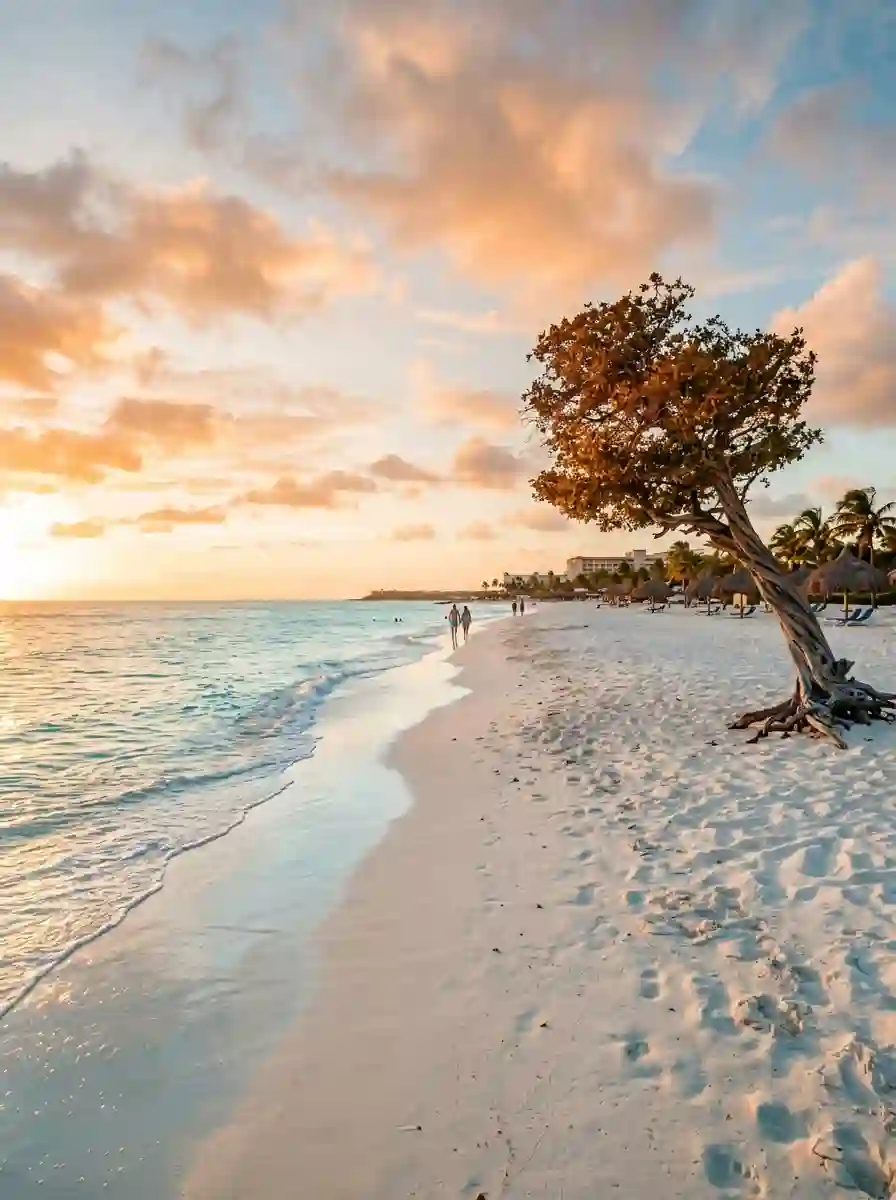
If you only remember one name from this guide, make it Aruba.
This small Dutch island, just off the coast of Venezuela, has a reputation for being one of the safest places in the whole region, and it’s earned it. It carries a Level 1 advisory from the US State Department, and travel safety rankings regularly put it at or near the top.
Why Aruba is so safe
Aruba’s economy runs on tourism, and everyone knows it. Hotels, restaurants, and the local government all work to keep visitors happy and secure. The island is clean, well lit, and easy to navigate, and the main resort areas along Palm Beach and Eagle Beach feel relaxed at every hour.
It also sits far south in the Caribbean, outside the typical hurricane belt. That means you can travel in months when other islands are nervously watching weather maps.
What it’s like on the ground
Think warm, dry weather almost all year. Think shallow, calm beaches, windsurfing on the north coast, and a downtown Oranjestad with pastel Dutch colonial buildings. Most people speak English, Dutch, Spanish, and Papiamento, so communication is rarely a problem.
Safety tips for Aruba
- Don’t leave valuables in a rental car or unattended on the beach. Opportunistic theft is the most common issue, as it is anywhere.
- Lock your hotel safe and use it. It’s there for a reason.
- If you rent a UTV or ATV for Arikok National Park, wear a helmet and follow the guide’s instructions. Accidents here are more common than crime.
- Sun is stronger than you think. Reapply sunscreen and drink water.
Best time to visit: April to August for lower prices, though the island is pleasant year-round. Who it suits: First-time Caribbean visitors, families, honeymooners, solo travelers.
Must Read : Best Places To Travel Solo That Will Completely Change How You See Yourself And The World
2. Cayman Islands: Polished, Well Run and Reassuringly Calm
The Cayman Islands are made up of Grand Cayman, Cayman Brac, and Little Cayman, and together they have a reputation for being among the safest and best organised destinations in the Caribbean.
Why the Caymans are so safe
Grand Cayman reports some of the lowest violent crime figures in the region, with World Bank data cited by Islands.com putting homicides at about 4 per 100,000. The Caymans are a British Overseas Territory with a strong financial sector, which funds good infrastructure, reliable policing, and modern healthcare.
That healthcare point is a big deal. If you need a doctor, a clinic or hospital, you’ll find a standard of care that’s well above many other islands. For anyone travelling with young kids or older relatives, that peace of mind is hard to put a price on.
What to do
Seven Mile Beach is the headline act, and it’s even better than the photos suggest. Stingray City is a classic for good reason. Little Cayman and Cayman Brac are quieter, with excellent diving and a very low-key atmosphere.
Things to keep in mind
The Caymans are not cheap. Meals, accommodation, and activities carry a premium. Hurricane exposure is real, too. The islands were badly hit by Hurricane Ivan in 2004 and have built to higher standards since. If you travel in the later months of the season, take out proper travel insurance.
Safety tips for the Cayman Islands
- Drive on the left. Rental cars are common, and visitors regularly forget.
- Lock your car and don’t leave items on view, even in busy beach car parks.
- Check the ocean conditions before swimming. Currents can be strong on some stretches.
Best time to visit: December to April for the driest weather. Who it suits: Families, divers, luxury travelers, anyone who wants things to simply work.
3. Anguilla: Tiny, Peaceful and Famously Low-Crime
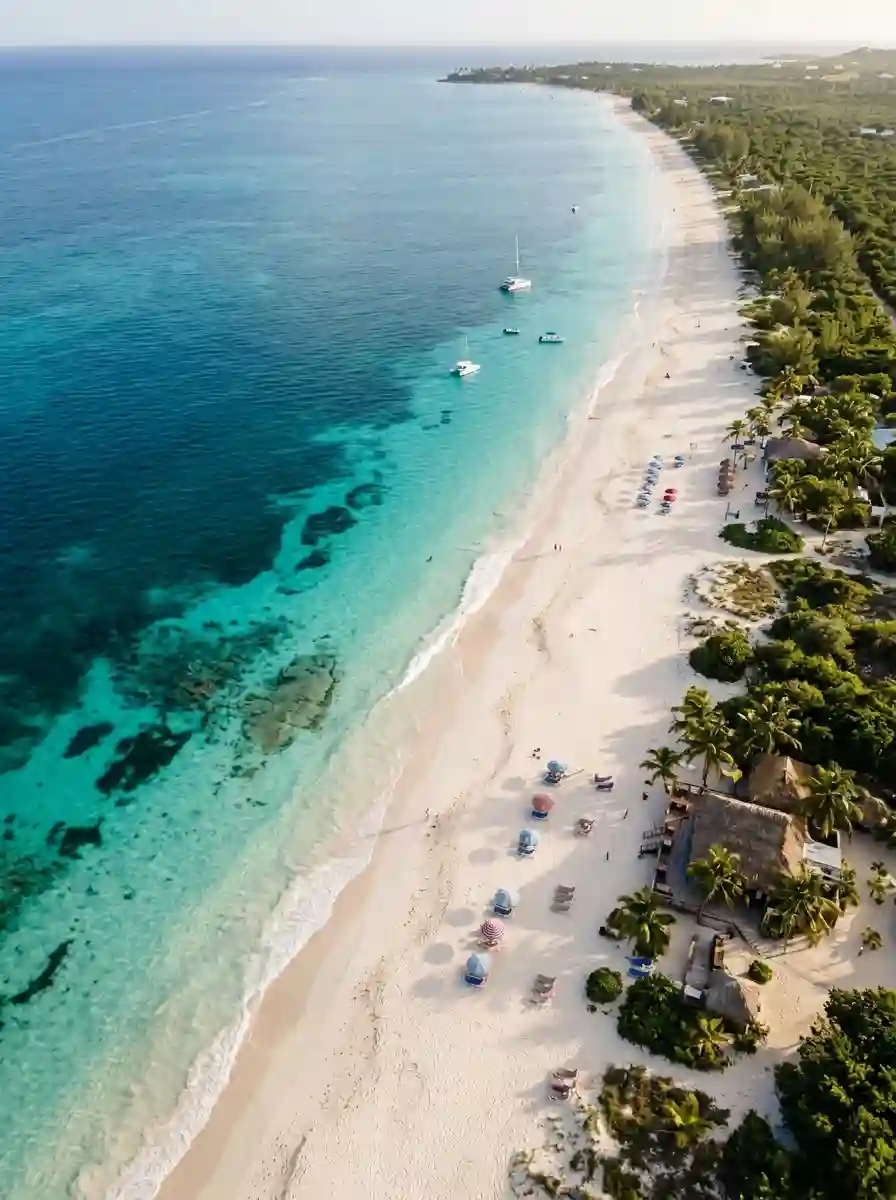
Anguilla is a slim, flat island in the northern Caribbean, and it’s one of the quietest, calmest places you can visit.
Why Anguilla is so safe
It’s small, the population is close-knit, and crime rates are among the lowest in the region. A former Anguillan police commissioner told Islands.com that most of the minor crime on the island tends to be linked to family or relationship disputes rather than anything aimed at visitors. That’s about as reassuring as a safety quote gets.
Anguilla also carries a Level 1 advisory and has a deliberate, upmarket tourism model. There are no big cruise ship crowds here, no cluster of mass-market resorts, and a general sense that everybody knows everybody.
What it’s like
Shoal Bay East and Meads Bay are the beach postcards you’ve been picturing: powder-white sand and water so clear it looks edited. The food scene punches far above the island’s size, with beach shacks serving grilled lobster and fine dining that rivals bigger destinations.
Things to keep in mind
Anguilla is not a nightlife destination and it’s not a budget one. It’s a place to unwind. Medical care on island is basic, so serious cases can mean evacuation to a neighboring island or the US. Travel insurance that covers medical evacuation is a smart purchase here.
Safety tips for Anguilla
- Rent a car for freedom, but take it slowly. Roads are narrow and winding in places.
- Be careful on beaches with strong surf, especially on the north side.
- Keep an eye on weather alerts during hurricane season, as Anguilla was hit hard by Hurricane Irma in 2017.
Best time to visit: December to April, or shoulder months (May, November) for fewer crowds. Who it suits: Couples, honeymooners, anyone who wants quiet and space.
4. Barbados: A Proper Island With Real Culture (and Low Crime)
Barbados is the island for people who want more than a beach. It has history, music, rum, food, surf, and a real sense of local life, and it’s still one of the safer places to visit.
Why Barbados is safe
Barbados consistently sits near the top of Caribbean safety rankings. Frommer’s, citing World Population Review, notes that it has the second-lowest crime rate in the Caribbean, behind only Anguilla. It’s politically stable, has a long-established tourism industry, and has a literate, English-speaking population.
It also has good healthcare by regional standards and a hospital in the capital, Bridgetown. Roads are well signed and drivers are, on the whole, friendly.
What it’s like
The west coast, the “Platinum Coast,” is calm and glamorous. The south coast is lively, with restaurants, bars, and beach clubs. The east coast is wild and Atlantic-facing, perfect for surfing and dramatic walks but not for casual swimming.
Don’t miss the Friday night fish fry at Oistins, Harrison’s Cave, or a morning at Crane Beach.
Things to keep in mind
Barbados is on the eastern edge of the Caribbean, so it’s the first in line for Atlantic weather systems. Direct hurricane hits have historically been less frequent than you’d expect, but storms can still bring heavy rain and flooding. The east coast has strong currents.
Safety tips for Barbados
- Stick to the west and south coast beaches for swimming.
- Be careful after dark in less busy areas of Bridgetown, as you would in any capital.
- Don’t flash cash, jewelry, or expensive phones.
- Use licensed taxis or ride-hailing options, and agree on a price in advance if there’s no meter.
Best time to visit: December to May, when it’s driest. Who it suits: Culture lovers, foodies, couples, groups of friends, families.
Read Also : Best Time To Visit Denmark For An Unforgettable Scandinavian Adventure
5. St. Barts: Small, Exclusive and Very Secure
Saint-Barthélemy, better known as St. Barts, is the glossy French island where celebrities and sailors go to disappear. It’s also one of the lowest-crime places you can visit anywhere in the region.
Why St. Barts is so safe
The island is tiny, wealthy, and tightly managed. Its population is small, and a lot of the economy depends on keeping high-end visitors comfortable and unbothered. Rankings, including a Going study reported by TravelAwaits, place St. Barts in the top tier of Caribbean safety, citing low crime and strong security.
As a French territory, it also benefits from French standards of policing and a euro-based, European-style administration.
What it’s like
Think Gustavia’s harbor lined with yachts, boutiques, and cafés, and beaches like Saline and Shell Beach that feel like private coves. The food is French and excellent. The pace is slow and elegant.
Things to keep in mind
St. Barts is expensive. Properly expensive. The airport is tiny and famous for its dramatic landing, which isn’t for everyone. Most visitors fly in on small planes from St. Maarten. Medical facilities are limited, so serious conditions can require evacuation.
Safety tips for St. Barts
- Roads are steep, narrow, and twisty. If you rent a small car or moke, drive carefully.
- Swim at lifeguarded beaches where possible, and watch out for rough surf on some Atlantic-facing spots.
- Book your inter-island transfer well ahead during high season.
Best time to visit: December to April for the best weather, May to June for better value. Who it suits: Luxury travelers, couples, anyone who prefers privacy.
6. Bonaire: The Calm, Low-Key Island for Divers and Nature Lovers
Bonaire is the island that does a lot without making a fuss. It’s a protected marine park, an incredible diving destination, and a very low-risk place to visit.
Why Bonaire is safe
Bonaire is a special municipality of the Netherlands, with a small population and a slow, easy pace. Crime is low, the community is small, and visitors are mostly there for diving or nature, which tends to create a relaxed, respectful atmosphere.
It’s another island that sits well south of the hurricane belt, so it’s a very sensible pick if your travel window falls between August and October, when other islands are on storm watch.
What it’s like
You can walk straight into the sea from the shore and be among coral reefs within minutes. That’s why Bonaire is known as one of the world’s best shore-diving destinations. On land, you’ll find flamingos, salt flats, wild donkeys, and the little pastel town of Kralendijk.
Things to keep in mind
Bonaire isn’t a big party island and the beaches are smaller and rockier than on Aruba. If you want long white-sand beaches and nightlife, this isn’t the best fit. Healthcare is basic compared with bigger islands.
Safety tips for Bonaire
- Don’t leave valuables in parked cars at dive sites. Break-ins from rental vehicles at remote spots are the most common issue.
- Follow marine park rules. Don’t touch or stand on coral.
- Dive within your certification, and use a reputable operator.
- The sun is strong and the island is dry, so drink plenty of water.
Best time to visit: Year-round. April to September is quieter. Who it suits: Divers, snorkelers, nature lovers, couples.
7. Curaçao: Colorful, Cultured and Easy to Navigate
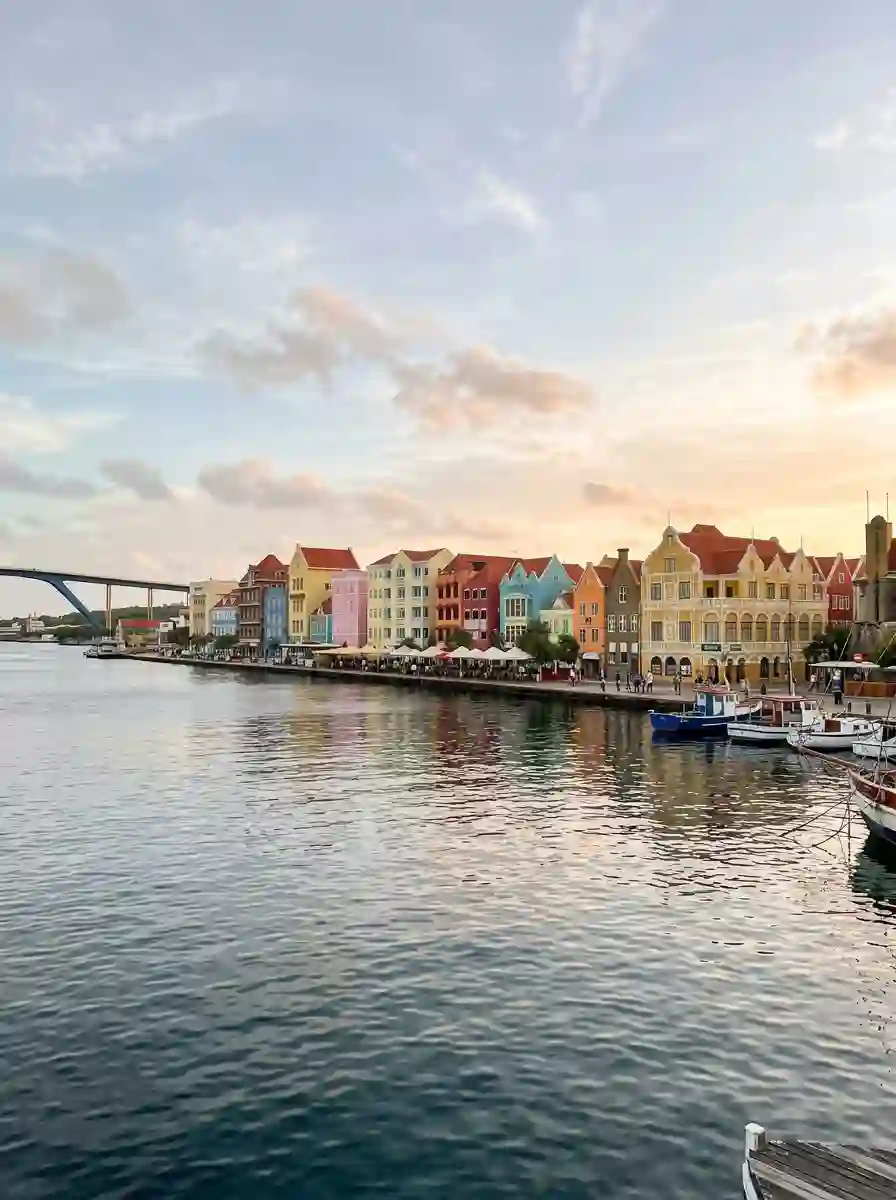
Curaçao is the third of the Dutch “ABC islands,” and it offers something a bit different: a lively, colorful capital, a deep local culture, and beaches that are often tucked into small coves.
Why Curaçao is safe
It carries a Level 1 advisory, sits largely outside the hurricane belt, and has well-developed infrastructure. Willemstad, the capital and a UNESCO World Heritage site, is a busy, working city, so the usual big-city common sense applies. But the main tourist areas are well patrolled and used to visitors.
What it’s like
Walk Willemstad’s Punda and Otrobanda districts and you’ll find candy-colored Dutch colonial buildings, a floating pontoon bridge, great street art, and a food scene that blends Dutch, Caribbean, and South American influences. Beaches like Playa Kenepa and Cas Abao are a short drive away.
Things to keep in mind
Some of the best beaches require a car. Don’t leave anything on display in a parked vehicle, particularly at popular beach car parks. Some neighborhoods in Willemstad are best avoided after dark, as in any city. Ask your hotel for a local recommendation.
Safety tips for Curaçao
- Lock cars and keep bags out of sight.
- Take care at cliff-jumping spots. Injuries are far more common than crime.
- Use official taxis, especially at night.
- Be sun-smart. Shade is limited at some beaches.
Best time to visit: Year-round, with drier weather from January to September. Who it suits: Culture lovers, couples, foodies, divers.
8. Antigua and Barbuda: Beach Variety and a Relaxed Welcome
Antigua is famously said to have a beach for every day of the year. Whether or not that’s literally true, you’ll never run out of sand.
Why Antigua and Barbuda is safe
Antigua and Barbuda holds a Level 1 advisory and has a long history of tourism. Crime tends to be low-level, mostly petty theft, and the island’s main hubs, such as English Harbour and the beach resorts, are used to visitors and feel comfortable.
What it’s like
English Harbour and Nelson’s Dockyard are a UNESCO site, with Georgian-era buildings, a marina, and the famous Shirley Heights lookout, where the Sunday evening party draws crowds. Barbuda, the smaller sister island, has a vast, pink-tinged beach and a wild, off-grid feel.
Things to keep in mind
Barbuda was devastated by Hurricane Irma in 2017, and recovery has been gradual. Facilities there are limited. Antigua itself is well equipped, but the hurricane season is a real consideration.
Safety tips for Antigua and Barbuda
- Drive on the left, and take care on rough or poorly lit roads, especially at night.
- Use reputable tour operators for boat trips.
- Keep valuables out of sight on beaches.
- Don’t swim alone at remote beaches.
Best time to visit: December to April. Who it suits: Beach lovers, sailors, couples, families.
9. St. Kitts and Nevis: History, Hiking and Quiet Charm
This twin-island nation is one of the smaller countries in the Western Hemisphere, and one of the more relaxed. It holds a Level 1 advisory, which was reissued in July 2026 with no change in level.
Why St. Kitts and Nevis is safe
Crime in the main tourist areas is generally low, and the pace of life is gentle. Basseterre, the capital, is compact and walkable by day. The islands have a reputation as a friendly, community-minded place where visitors are welcomed.
What it’s like
On St. Kitts, you can visit the dramatic Brimstone Hill Fortress, hike the rainforest, ride the scenic railway, and relax at Frigate Bay. Across the narrow channel, Nevis is smaller and quieter, with Pinney’s Beach, historic plantation inns, and Mount Nevis looming overhead.
Things to keep in mind
Both islands sit in the hurricane belt, so plan around the season. Healthcare is adequate for routine issues, but major emergencies may require transfer elsewhere. A volcanic and seismic backdrop is part of the landscape, as it is across much of the eastern Caribbean, though it rarely affects visitors.
Safety tips for St. Kitts and Nevis
- Stay alert in Basseterre after dark.
- Use licensed taxis, and agree on the fare.
- Hike with a local guide on volcanic trails.
- Keep passports and valuables in a hotel safe.
Best time to visit: December to May. Who it suits: History buffs, hikers, couples, quiet-seekers.
Also Read : Romantic Getaways In Florida That Will Reignite The Spark In Your Relationship
10. Martinique and Guadeloupe: A Slice of France With Palm Trees
If you like the idea of a Caribbean holiday that feels a little bit like France, these two islands are a lovely pair. Both carry Level 1 advisories, which were refreshed by the US government in August 2026 after a periodic review.
Why they’re safe
Martinique and Guadeloupe are overseas regions of France, so they use the euro, follow French law, and have French-standard healthcare and policing. Martinique was even named the safest destination in the Caribbean Tourism Quality Index in 2016, a claim that’s still often repeated, though it’s a few years old now.
What it’s like
Expect creole food, rum distilleries, volcanic landscapes, black and white sand beaches, and bakeries selling fresh croissants. Martinique has Mont Pelée, the Saint-Pierre ruins, and the beaches around Les Trois-Îlets. Guadeloupe is shaped like a butterfly, with beaches on one wing and rainforest and waterfalls on the other.
Things to keep in mind
French is the main language. English is not as widely spoken as on other islands, so a few basic phrases help a lot. Both are in the hurricane belt. Occasional strikes and protests have caused disruptions in the past, so check local news before you travel.
Safety tips for Martinique and Guadeloupe
- Learn a few French greetings. It changes the whole interaction.
- Keep valuables out of sight, particularly in cars.
- Check road conditions after heavy rain.
- Hike with proper footwear and water.
Best time to visit: December to May. Who it suits: Foodies, couples, travelers who want a European flavor.
11. British Virgin Islands: Sailing, Sandbars and Slow Days
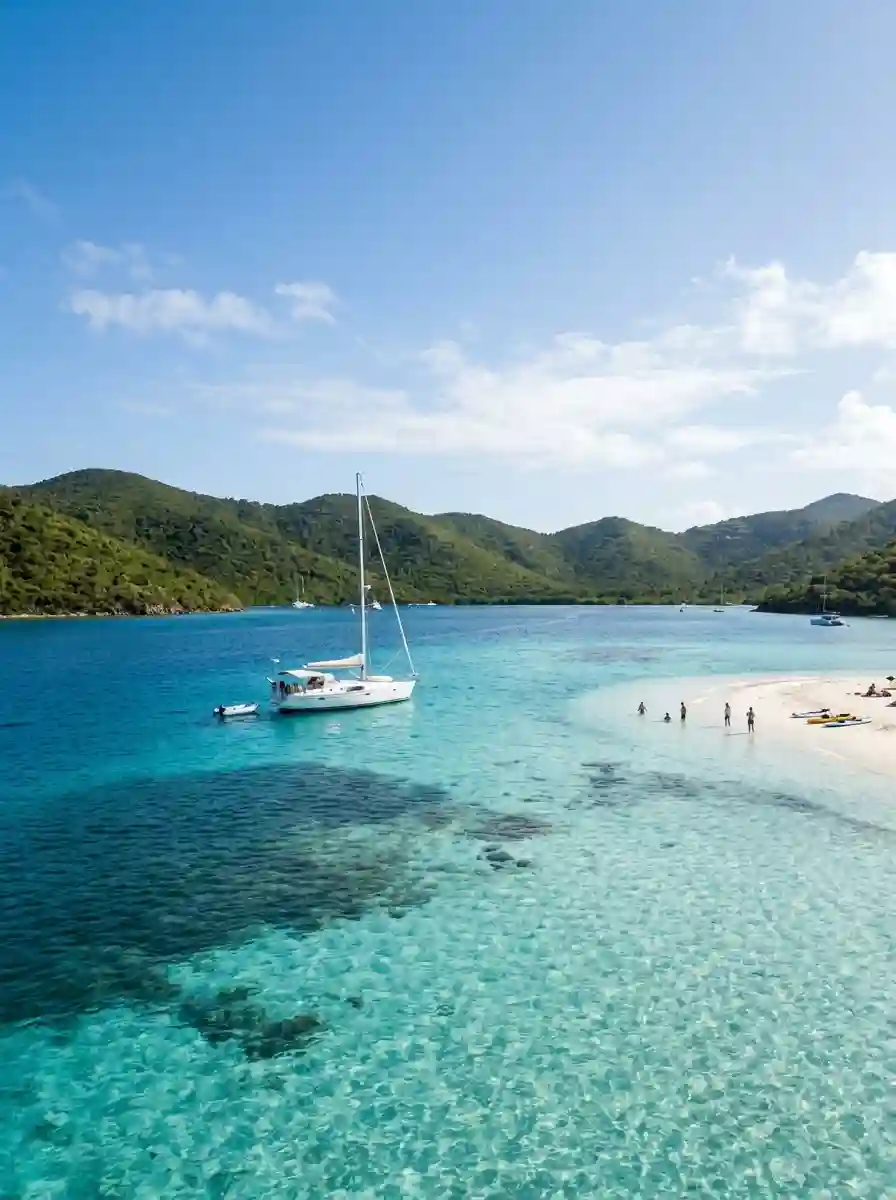
The BVI are the sailor’s Caribbean. Think boats, hidden anchorages, beach bars, and calm, protected water.
Why the BVI are safe
They carry a Level 1 advisory, and crime against visitors is generally low. Much of the tourism happens on boats and in small resorts, so you spend a lot of time in controlled, well-run environments.
What it’s like
The Baths on Virgin Gorda, Jost Van Dyke’s Soggy Dollar Bar, Anegada’s long empty beaches, and the sandbar at Sandy Spit are all highlights. A chartered sailboat, with or without a skipper, is the classic way to see them.
Things to keep in mind
The islands took a heavy hit from Hurricane Irma in 2017, and some areas are still rebuilding. Hospital services are limited, so serious issues usually mean evacuation to a larger island or the US. Always confirm your boat charter and insurance details.
Safety tips for the BVI
- If you charter without a captain, make sure you or someone aboard is properly qualified.
- Secure the boat and dinghy, and lock up when you go ashore.
- Check weather forecasts daily when sailing.
- Wear a life jacket on small boats and in rough water.
Best time to visit: November to June. Who it suits: Sailors, couples, groups of friends.
12. Turks and Caicos: Stunning Beaches, With a Few Rules to Know
Turks and Caicos is on this list with a clear asterisk. It carries a Level 2 advisory (“exercise increased caution”) because of crime, which the US State Department says is concentrated in Providenciales.
Why it still makes the list
Most visitors stay in the resort areas around Grace Bay and have trouble-free trips. The best resorts have good security, and the islands benefit from strong infrastructure and a very developed tourism industry. Other islands in the chain, like Grand Turk and Salt Cay, feel quieter and more relaxed.
The rule that catches people out
Firearms and ammunition laws here are strict. The US advisory warns that even a single stray bullet in a bag can lead to arrest. If you travel with any kind of ammunition or gun-related item, even by accident, check your bags before you fly.
Things to keep in mind
Healthcare and criminal investigative capacity are limited, according to the US advisory. Medical evacuation insurance is essential, not optional.
Safety tips for Turks and Caicos
- Stick to well-known resort areas, particularly at night.
- Don’t walk around isolated areas alone after dark.
- Keep valuables locked in your room.
- Use reputable transport and tour operators.
Best time to visit: December to April. Who it suits: Beach lovers who want luxury and are happy to take sensible precautions.
Caribbean Islands to Approach With More Caution
This section isn’t meant to scare you. Plenty of people visit these places every year and have wonderful trips. But the official picture is more complicated, and you deserve to know it before you book.
Jamaica
Jamaica has been one of the most talked-about cases. The US advisory has sat at a high level, with Level 3 (“reconsider travel”) reported at points because of crime, while other 2026 summaries list it at Level 2. The levels change, so check the live page. The advisory lists specific areas to avoid, but the major resort zones of Montego Bay, Negril, and Ocho Rios are not on that list. Most visitors stay in resorts and take organized tours. If you go, don’t wander off the beaten path, avoid isolated areas at night, and use reputable transport.
The Bahamas
The Bahamas holds a Level 2 advisory because of crime. Trouble is concentrated in parts of Nassau, and the advisory also flags concerns about water-sports safety. Resorts on Paradise Island and the quieter Out Islands, such as Eleuthera or the Exumas, have a different feel from downtown Nassau. Stay in tourist zones, avoid walking alone at night, and use only licensed water-sports operators.
Saint Lucia
Here’s a real, recent change. On July 10, 2026, the US State Department raised Saint Lucia to Level 2: Exercise Increased Caution, citing crime that can occur anywhere on the island, including popular tourist areas. The advisory mentions armed robbery, assault, and burglary affecting visitors, and notes that police response can be slower than in the US. This is not a “do not go” warning. It’s a nudge to keep a low profile, avoid showing wealth, and take extra care at night and around ATMs.
Dominican Republic
The Dominican Republic carries a Level 2 advisory for crime. The big all-inclusive resort areas like Punta Cana have their own security, and millions visit safely. The risks are higher in some city neighborhoods and on isolated roads. Don’t accept drinks from strangers, and use resort-arranged transfers.
Trinidad and Tobago
Trinidad and Tobago has a Level 3 advisory in 2026, with a state of emergency reported to have been in place since March. Tobago is generally seen as calmer than Trinidad, but it’s still wise to read the latest advisory in detail before booking.
Haiti
Haiti is at Level 4: Do not travel. This is the clearest case in the region. Don’t go.
A note on balance: An advisory describes risk, not certainty. Millions of people visit Level 2 destinations every year. The question is whether you’re comfortable with the extra precautions they ask of you.
Is the Caribbean Safe During Hurricane Season?
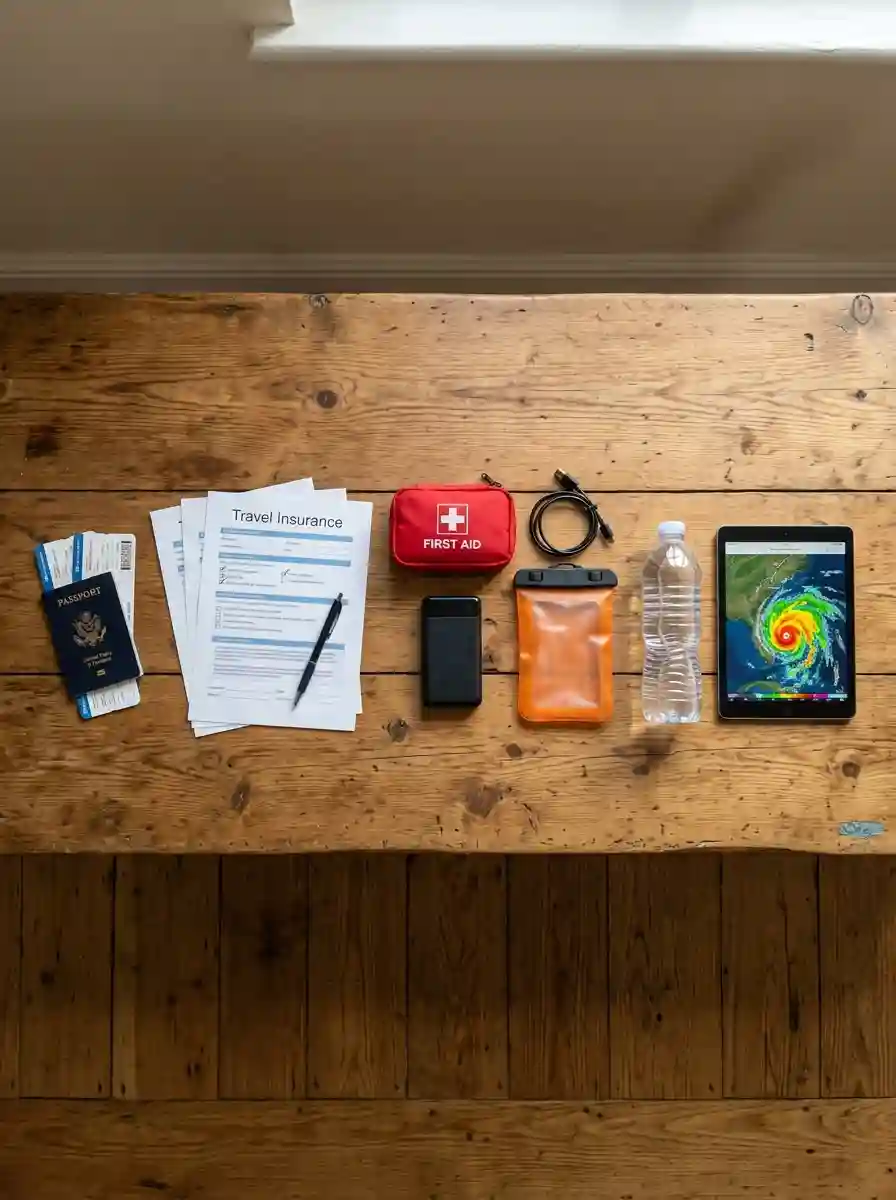
This is the question we get most, and it deserves a straight answer.
Must Read : 10 Best Places to Travel with Toddlers (Tried, Tested & Tantrum-Approved)
The Atlantic hurricane season runs from 1 June to 30 November, with activity usually peaking from August through October. Because it’s now mid-October, we’re still in the final stretch of that peak.
The islands least exposed to hurricanes
The southern islands, including Aruba, Bonaire, and Curaçao, sit below the main hurricane track. They can still get heavy rain and rough seas from passing systems, but direct hits are rare. If you have to travel in late summer or autumn, these three are your best bets.
The islands that need more planning
Grenada, St. Vincent and the Grenadines, and parts of the eastern Caribbean were affected by Hurricane Beryl in 2024, a reminder that even southern islands aren’t completely immune. The northern and eastern islands, such as Anguilla, St. Barts, the BVI, Antigua, and St. Kitts, were badly hit by Hurricane Irma in 2017.
How to travel smart in storm season
- Buy flexible, comprehensive travel insurance that covers weather cancellations and interruptions. Check that it’s bought before a named storm forms, because most policies exclude storms already named.
- Book refundable or changeable flights and hotels. The savings from non-refundable rates disappear fast if a storm closes the airport.
- Follow the National Hurricane Center and local authorities, not just social media.
- Have a backup plan. Know your hotel’s storm policy, and keep a printed copy of your documents.
- Travel earlier in the season (June and July) if you want lower prices with lower storm risk than September.
15 Practical Safety Tips for Any Caribbean Trip
You don’t need to be anxious. You just need a few good habits. These apply on almost every island, including the safest ones.
Before you go
- Check your government’s advisory and sign up for traveler alerts. US citizens can enroll in the State Department’s STEP program, which sends updates and helps officials find you in an emergency.
- Buy travel insurance with medical evacuation. On small islands, a flight to a bigger hospital can cost a fortune. It’s the single most useful purchase you’ll make.
- Scan your documents. Keep digital copies of your passport, insurance, and bookings in a secure cloud folder.
- Tell someone your plans. A friend or family member should have your itinerary.
While you’re there
- Use the room safe. Passports, spare cards, and cash belong in it, not in your beach bag.
- Don’t flash it. Leave expensive jewelry and watches at home. Keep phones out of sight when you’re not using them.
- Be careful with rental cars. Never leave valuables in view, and park in busy, well-lit places. Many beach thefts are crimes of opportunity from parked cars.
- Use licensed taxis or ride-hailing apps. Agree on the fare before you set off if there’s no meter.
- Know the local driving rules. Many islands drive on the left, and roads can be narrow, steep, and poorly lit.
- Take care with alcohol. Many holiday problems, from theft to accidents, are linked to drinking too much. Watch your drink and never accept one from a stranger.
- Respect the sea. Currents, rip tides, and strong surf on Atlantic-facing beaches cause more tourist injuries than crime does. Swim where it’s lifeguarded or calm.
- Use reputable tour operators. Check reviews and make sure boats carry life jackets and safety gear.
Everyday common sense
- Be cautious on empty beaches at night. Stick to lit, populated areas.
- Protect your skin and stay hydrated. Sunburn and heat exhaustion are the most common reasons visitors end up at a clinic.
- Trust your instincts. If a place, person, or deal feels off, walk away.
Common scams to watch for
- Overly friendly “guides” who then ask for money.
- Timeshare and “free gift” pitches that lead to long, high-pressure presentations.
- Inflated taxi fares where no price was agreed in advance.
- Fake rental listings posted online. Book through trusted platforms and pay by card, not by transfer.
Safest Caribbean Islands by Type of Traveler
Different people need different things from “safe.” Here’s how to match the island to you.
Safest Caribbean islands for families
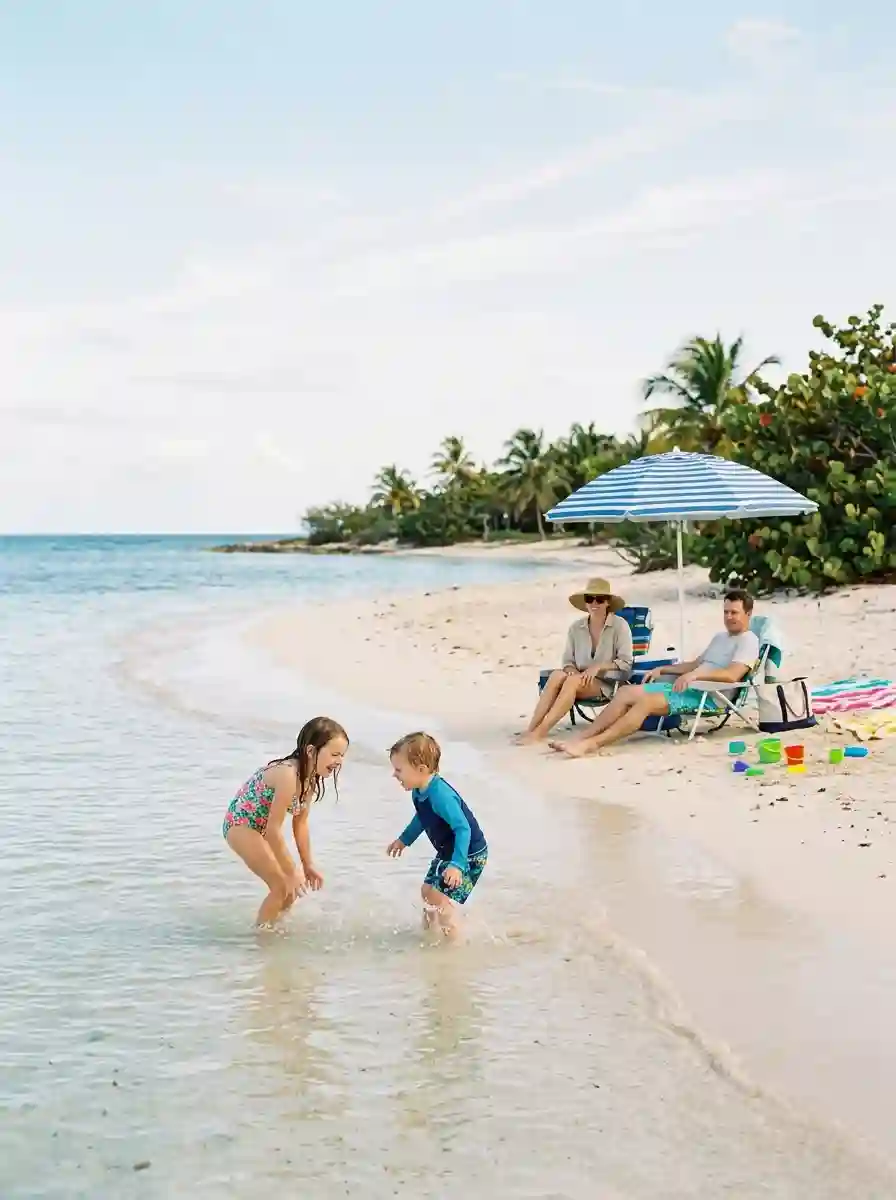
Aruba, the Cayman Islands, and Barbados are our top picks. They have good healthcare, calm beaches, easy logistics, and plenty to keep kids busy. Curaçao and Antigua are strong, easy follow-ups.
Safest Caribbean islands for solo female travelers
Aruba, Anguilla, Barbados, and the Cayman Islands consistently feel comfortable for women travelling alone. Stay in well-reviewed accommodation, arrange airport transfers in advance, and be extra mindful at night. Martinique and Guadeloupe are also good for independent travelers who speak a little French.
Safest Caribbean islands for couples and honeymoons
Anguilla, St. Barts, and Nevis offer privacy, romance, and a very low-key atmosphere.
Safest Caribbean islands for divers and nature lovers
Bonaire is hard to beat, with the Cayman Islands and Curaçao close behind.
Safest Caribbean islands for first-time visitors
Aruba is the easiest introduction. English is widely spoken, everything works, and the climate is dependable.
Safest Caribbean islands for budget travelers
Safe doesn’t have to mean expensive. Curaçao, Bonaire, and Barbados offer a range of mid-priced stays, apartments, and local eateries. Avoid the ultra-luxury islands like St. Barts if cost is a concern.
Best Time to Visit the Safest Caribbean Islands
| Month | What to expect |
|---|---|
| December to April | Peak season. Driest weather, lowest hurricane risk, highest prices. |
| May to June | Shoulder season. Fewer crowds, better deals, hurricane season just beginning. |
| July to October | Peak hurricane period for most of the region. Choose Aruba, Bonaire, or Curaçao. |
| November | Hurricane season winds down. Prices are still lower. Weather is usually improving. |
If your priority is the combination of safety, weather, and value, May and June, or late November, often hit the sweet spot.
Final Thoughts: Which of the Safest Caribbean Islands Should You Choose?
There’s no single “safest” island that’s right for everyone, but there are some very clear leaders.
If you want the lowest-effort, highest-reassurance trip, Aruba is hard to beat. If you want polished and well-equipped, choose the Cayman Islands. For quiet romance, pick Anguilla or St. Barts. If you love culture and food, Barbados or Martinique will keep you happy. And if you’re a diver, you already know the answer: Bonaire.
Whichever you choose, the same principles hold. Check the current advisory, buy proper insurance, plan around hurricane season, and use ordinary, sensible habits. Do that, and the Caribbean is one of the most rewarding places on earth to travel.
Pack the sunscreen. Book the flight. And enjoy every minute.
Frequently Asked Questions (FAQs)
1. What is the safest Caribbean island to visit?
Aruba is the most commonly cited answer. It has a Level 1 US advisory, a very tourist-friendly environment, low violent crime, and sits outside the main hurricane belt. The Cayman Islands, Anguilla, and Barbados are close behind.
2. Which Caribbean islands have the lowest crime rates?
Anguilla is widely reported to have the lowest crime rate in the Caribbean, with Barbados second, according to World Population Review figures cited by Frommer’s. St. Barts, the Cayman Islands, and Martinique are also frequently ranked among the lowest.
3. Which Caribbean islands are the safest during hurricane season?
Aruba, Bonaire, and Curaçao are the best choices because they sit south of the main hurricane track. Nowhere in the region is entirely risk-free during the season, which runs from June 1 to November 30.
4. Is the Caribbean safe for solo female travelers?
Many islands are, particularly Aruba, Anguilla, Barbados, and the Cayman Islands. Use common sense: choose well-reviewed accommodation, pre-arrange transfers, avoid isolated areas at night, and watch your drink.
5. Which Caribbean islands should I avoid?
Haiti carries a Level 4 “do not travel” advisory. Trinidad and Tobago is at Level 3 in 2026. Jamaica, the Bahamas, Saint Lucia, the Dominican Republic, and Turks and Caicos have higher advisories (Level 2 or above) and need more planning. Always check the latest advisory.
6. Is Jamaica safe to visit in 2026?
Many travelers visit safely, mostly staying in resort areas and on organized tours. The US government has issued a high-level advisory for crime and lists areas to avoid, though major resort zones are not on that list. Check the current level and follow local guidance.
7. Is Saint Lucia safe after the advisory change?
Saint Lucia was raised to Level 2 on July 10, 2026, citing crime that can occur anywhere, including tourist areas. It isn’t a “do not travel” warning. Keep a low profile, avoid isolated areas at night, and take extra care around ATMs and banks.
8. Do I need travel insurance for the Caribbean?
Yes. Choose a policy that covers medical expenses, medical evacuation, and trip interruption, including weather-related disruption. On small islands, a medical evacuation can cost many thousands of dollars.
9. What is the safest Caribbean island for families?
Aruba, the Cayman Islands, and Barbados are the strongest options. They combine good healthcare, calm beaches, and easy logistics.

Hi, I’m Angela. I plan trips around timing — the best season, the best weather, and the best prices. On BestTimeToVisitHQ I share when to visit each destination, what to expect month by month, and how to plan a trip that feels right from the start.