

I still remember standing in Nyhavn on a freezing February evening, completely underdressed, wondering why nobody had warned me just how cold Copenhagen gets in winter. That trip taught me more about timing a visit to this country than any travel blog ever could. Figuring out the best time to visit Denmark genuinely changes how much you enjoy the whole experience, and I learned that the hard way.
Since that first slightly miserable winter trip, I have gone back to Denmark several times across different seasons, partly out of curiosity and partly because the country genuinely rewards repeat visits at different times of year. Each season brings something completely different, from long golden summer evenings to cozy candlelit winter afternoons that somehow make the cold feel worth it.
In this guide I want to walk you through what I have actually learned about the best time to visit Denmark, based on real trips, weather I was not prepared for and a few scheduling mistakes that taught me a lot. Whether you are planning your first trip to Copenhagen or exploring further into Jutland, this should help you pick the right window for your visit.
Why Timing Matters So Much When Visiting Denmark
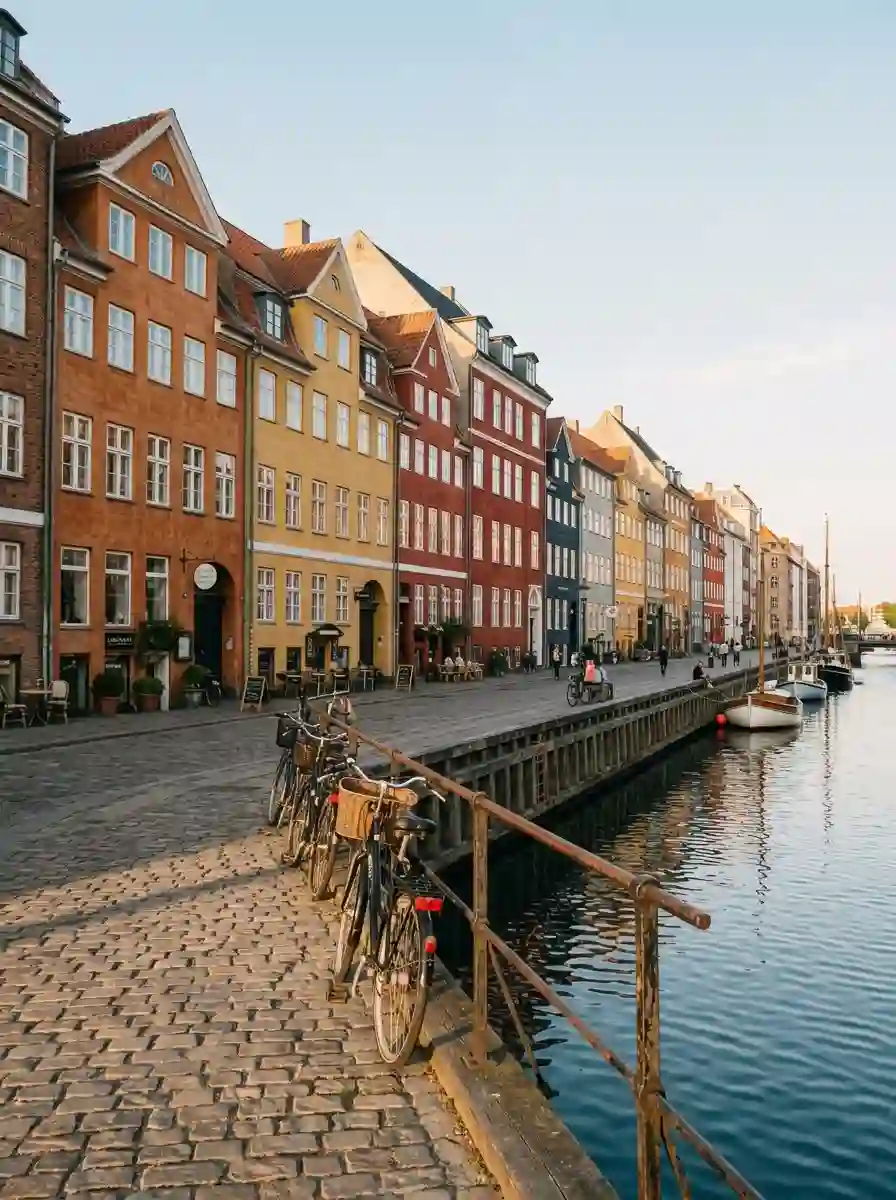
Denmark is one of those destinations where the season you choose genuinely shapes the entire trip, not just the weather you pack for. The best time to visit Denmark depends heavily on what kind of experience you are hoping for, since this small country transforms dramatically between its long summer days and short, dark winter afternoons.
Unlike destinations closer to the equator, where the weather stays fairly consistent year round, Denmark experiences significant shifts in daylight hours, temperature and overall atmosphere depending on the month. Summer days can stretch past nine in the evening, while winter days sometimes lose their light by mid afternoon, which genuinely affects how much sightseeing you can comfortably fit into a single day.
I always tell people planning their first trip that thinking carefully about the best time to visit Denmark is not just about avoiding rain. It is about understanding what each season actually offers, from outdoor festivals in summer to the uniquely cozy hygge atmosphere that defines Danish winters.
My Honest Take On Denmark’s Four Very Different Seasons
Having experienced Denmark across spring, summer, fall and winter, I can say with confidence that each season offers something genuinely worth experiencing, though they could not feel more different from one another. Summer feels social and energetic, with locals spending nearly every free hour outdoors soaking up the long daylight hours. Winter feels quiet and introspective, built around candles, warm drinks and that specific Danish concept of coziness known as hygge.
What surprised me most on my repeat visits was how much the local mood shifts with the seasons. Danes genuinely transform their entire lifestyle around the available daylight, something I had never really experienced living somewhere with more consistent year round weather. This cultural rhythm is part of why thinking carefully about the best time to visit Denmark matters so much, since you are not just choosing weather, you are choosing which version of Danish life you want to witness.
I have also learned that Denmark rewards flexibility. A trip during shoulder season, like late spring or early fall, often provides the best overall balance between good weather, reasonable crowds and genuine access to both outdoor and indoor Danish culture without extremes in either direction.
Visiting Denmark In Summer For Long Golden Days
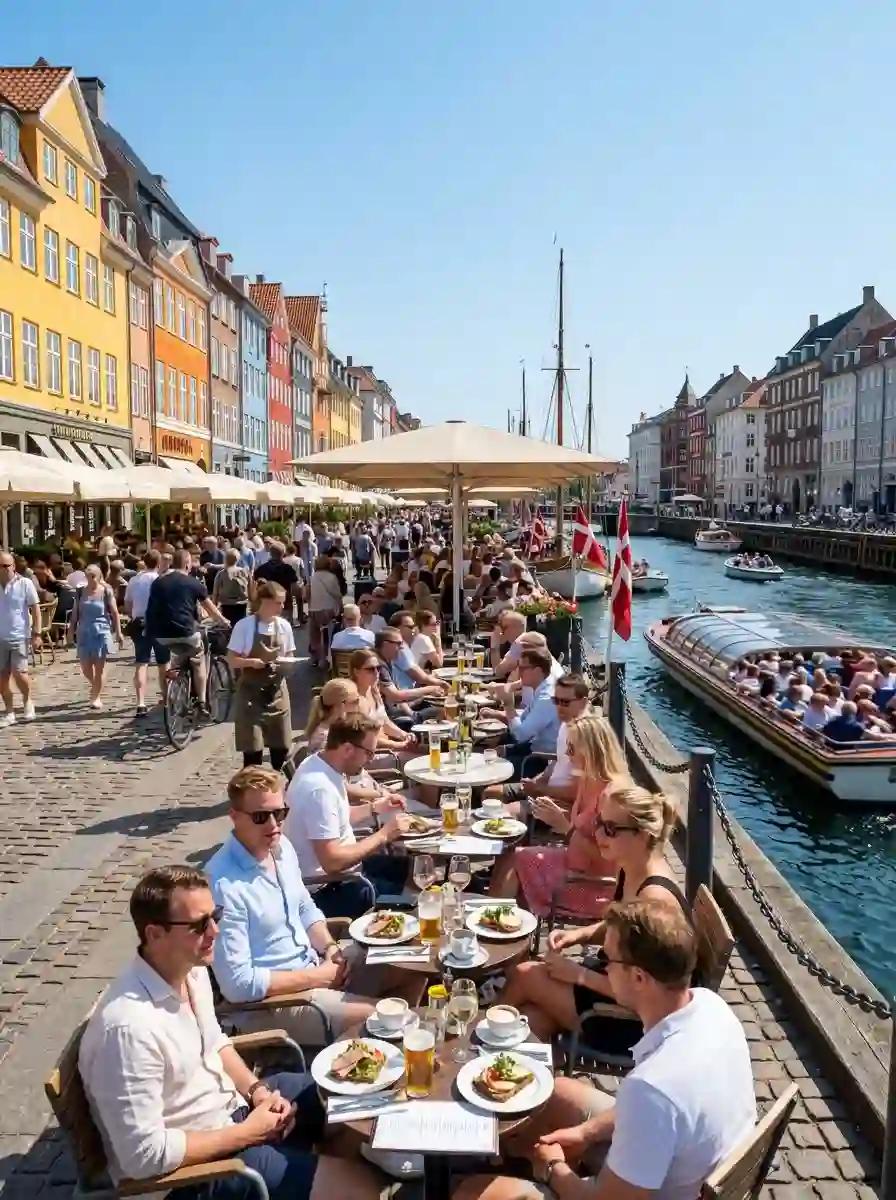
Summer, running roughly from June through August, is widely considered the best time to visit Denmark for travelers who want long daylight hours and the liveliest possible atmosphere. Days stretch remarkably long during this period, sometimes offering nearly seventeen hours of daylight, which gives you significantly more time to explore without racing against an early sunset.
Copenhagen genuinely comes alive during summer, with outdoor cafes packed, canals filled with small boats and locals making the most of every sunny afternoon. Festivals also cluster heavily during these months, including the massive Roskilde Festival and numerous smaller cultural events throughout the country, making summer an especially exciting window if you want to experience Danish culture at its most vibrant.
That said, summer also brings the largest crowds and highest accommodation prices of the entire year, something worth factoring in if budget or crowd avoidance ranks high on your personal list of priorities when choosing the best time to visit Denmark.
Average Summer Temperatures In Denmark
Summer temperatures in Denmark typically hover between sixty and seventy five degrees Fahrenheit, rarely climbing into uncomfortable heat, which makes it genuinely pleasant for walking tours, cycling and spending extended time outdoors throughout the day.
Visiting Denmark In Spring For Blooming Scenery And Fewer Crowds
Spring, particularly April and May, has quietly become one of my personal favorite windows for the best time to visit Denmark. The country slowly wakes up from winter during these months, with parks and gardens bursting into bloom while temperatures remain comfortable without summer’s peak crowds.
Copenhagen’s famous Tivoli Gardens typically reopens in the spring, filled with blossoming flowers and a noticeably more relaxed atmosphere compared to the packed summer months. Prices also tend to be noticeably lower during this period, since spring sits just before the major tourist rush really kicks into gear.
I particularly love recommending spring to travelers who want to experience Denmark’s natural beauty without battling the crowds that tend to define peak summer travel. The longer daylight hours are already returning by this point, offering a nice preview of summer without quite reaching its full intensity.
Visiting Denmark In Fall For Cozy Atmosphere And Harvest Season

Fall, running from September through November, offers a genuinely underrated window for the best time to visit Denmark, especially for travelers who appreciate crisp air, colorful foliage and a noticeably quieter travel experience compared to summer. September in particular still offers reasonably mild temperatures while crowds have already begun thinning out significantly.
This season also marks the beginning of that distinctly Danish hygge atmosphere, with cafes and restaurants leaning into warm lighting, candles and seasonal comfort food as the weather cools. I have found fall to be one of the best times to really experience Danish culture at a slower, more authentic pace, away from the tourist heavy energy of summer.
Harvest season also brings fresh seasonal produce to markets throughout the country, giving food focused travelers another reason to consider fall among the best time to visit Denmark for a culinary focused trip.
Visiting Denmark In Winter For A True Hygge Experience
Winter in Denmark, spanning December through February, offers a completely different kind of experience compared to the rest of the year, and despite the cold and limited daylight, I genuinely think it deserves serious consideration as the best time to visit Denmark for a specific type of traveler. This is when hygge, that cozy, candlelit concept so central to Danish culture, truly comes alive.
Copenhagen transforms into a magical, twinkling destination during the holiday season, with Tivoli Gardens hosting an elaborate Christmas market filled with mulled wine, roasted nuts and festive lights strung throughout the park. Even outside the holiday period, winter offers a uniquely intimate way to experience the country, with locals spending significantly more time in cozy cafes and restaurants rather than outdoors.
Daylight hours shrink dramatically during winter, sometimes offering only seven or eight hours of usable light, which genuinely requires adjusting your sightseeing expectations. I always recommend winter specifically to travelers who want a quieter, more atmospheric trip rather than one packed with extensive outdoor exploration.
Christmas Markets And Holiday Season In Denmark
December brings some of the most charming Christmas markets in Scandinavia, particularly throughout Copenhagen, where twinkling lights, mulled wine and festive stalls create an atmosphere that genuinely justifies braving the cold for travelers specifically chasing that winter magic.
The Best Time To Visit Denmark For Good Weather
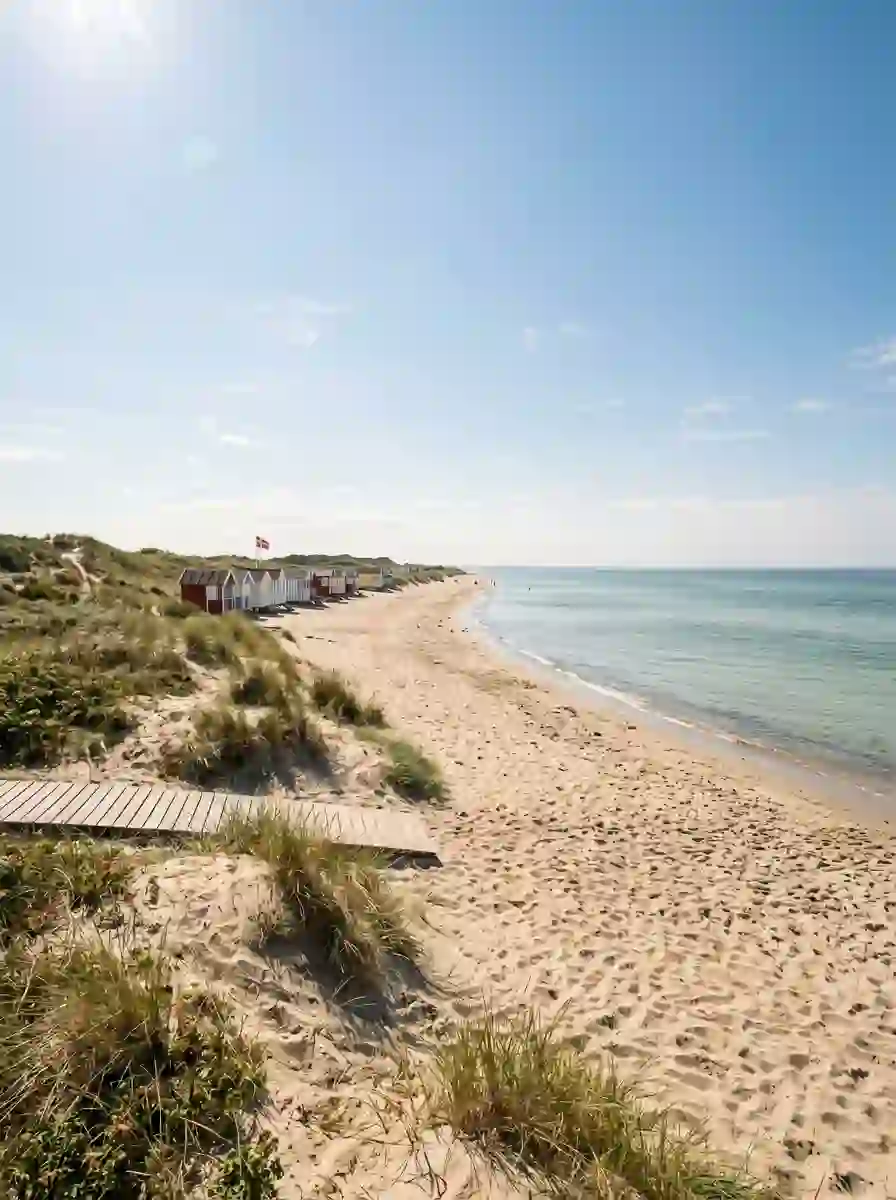
If good weather ranks as your top priority, late June through August genuinely represents the best time to visit Denmark in terms of temperature and sunshine. This window offers the warmest, most reliably pleasant conditions, along with the longest daylight hours of the entire year.
Denmark’s weather, even during peak summer, rarely becomes uncomfortably hot, which makes it especially appealing for travelers who prefer mild, comfortable conditions over intense heat. Rain does remain a possibility throughout the year, including summer, so packing a light rain jacket regardless of when you visit remains a smart idea.
I always mention to clients and fellow travelers that while summer offers the most reliable weather, it is far from the only consideration when determining the best time to visit Denmark, since factors like crowds, pricing and cultural atmosphere all shift significantly depending on the season.
The Best Time To Visit Denmark To Avoid Crowds
For travelers who prioritize avoiding tourist crowds over anything else, the shoulder seasons of spring and fall genuinely represent the best time to visit Denmark. Late April through May and again in September offer noticeably thinner crowds at major attractions compared to the packed summer months, while still providing reasonably comfortable weather for sightseeing.
Winter, outside of the busy holiday season in December, also offers remarkably quiet conditions throughout Denmark, with January and February in particular seeing significantly fewer visitors than any other time of year. This makes winter an appealing choice for travelers who prioritize a peaceful, low crowd experience over warmer weather or longer daylight hours.
The Best Time To Visit Denmark On A Budget
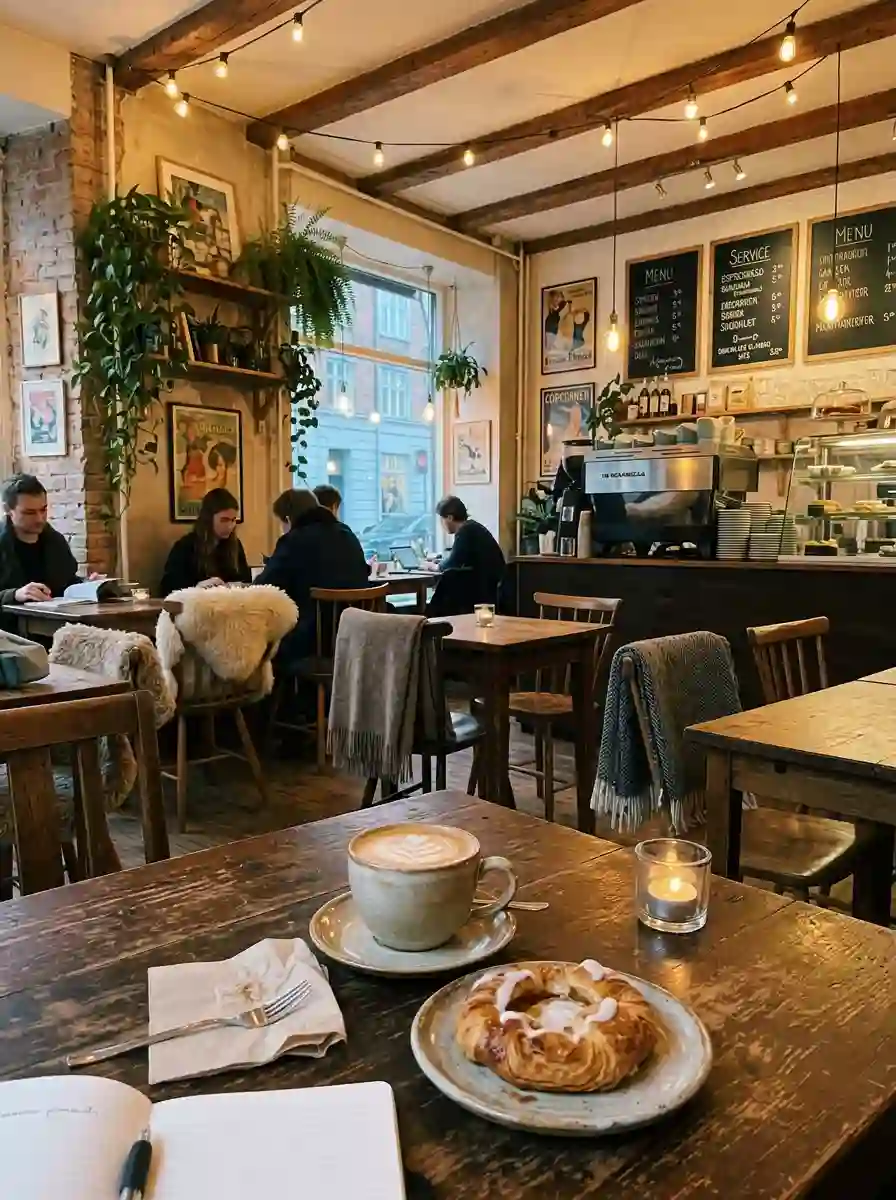
Denmark is not generally known as a budget destination, but choosing the right timing can still meaningfully affect your overall travel costs. The shoulder seasons of spring and fall, along with the quieter winter months outside of the December holiday rush, genuinely represent the best time to visit Denmark for travelers working with a tighter budget.
Accommodation prices in Copenhagen and other popular areas tend to drop noticeably once summer ends, and flights often become more affordable during these lower demand periods as well. I always recommend booking accommodations well in advance regardless of season, since Denmark’s overall limited lodging supply compared to larger countries can drive prices up quickly even during traditionally quieter months.
Best Time To Visit Denmark For Cycling And Outdoor Activities
Denmark’s famously flat terrain and extensive cycling infrastructure make it one of the best countries in the world for bike focused travel, and timing your visit correctly significantly enhances this particular experience. Late spring through early fall genuinely offers the best time to visit Denmark for cycling, hiking and general outdoor exploration, thanks to comfortable temperatures and extended daylight hours.
I have personally cycled through parts of Jutland and around Copenhagen during both summer and early fall, and both windows offered excellent conditions for extended days spent exploring on two wheels. Winter cycling remains possible given Denmark’s well maintained infrastructure, though shorter daylight hours and colder temperatures understandably limit how much time most travelers want to spend outdoors during these months.
Best Time To Visit Denmark For Northern Lights
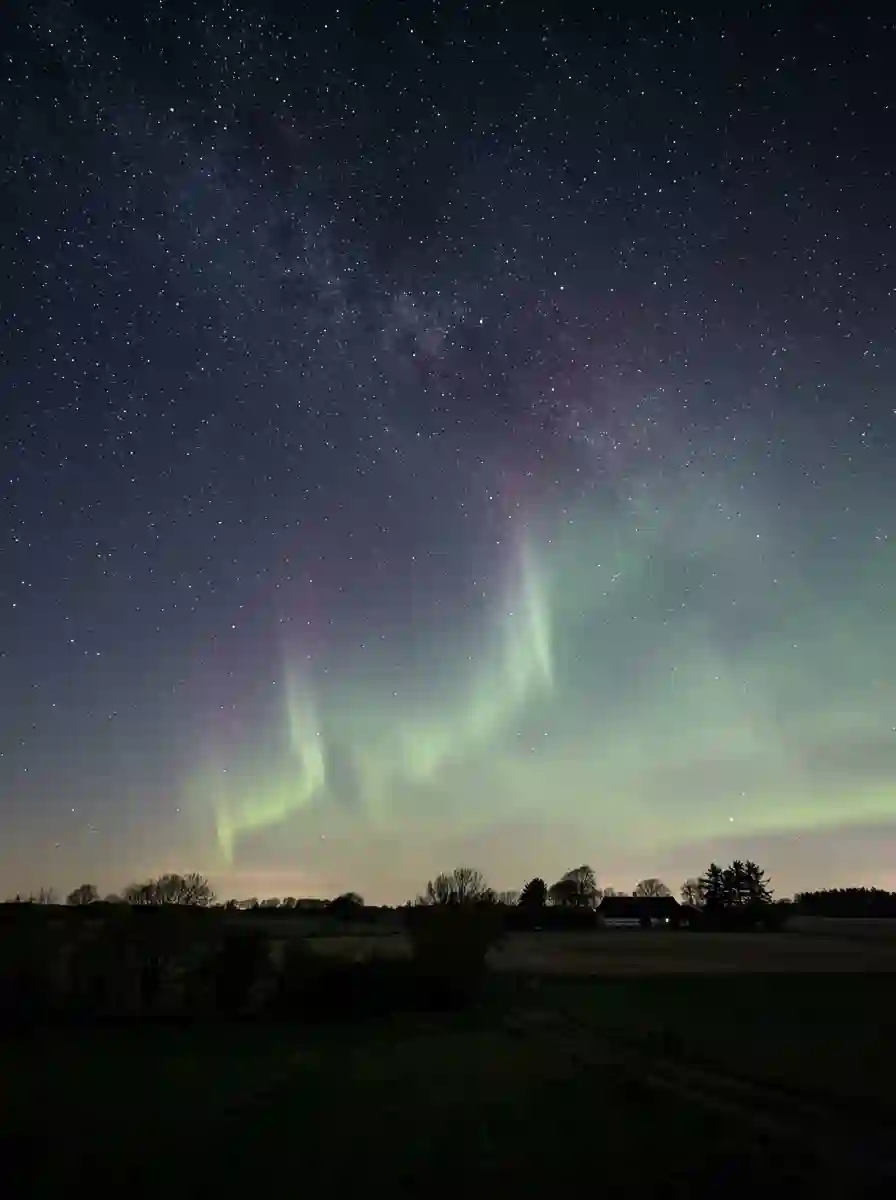
While Denmark sits further south than prime northern lights destinations like Norway or Iceland, the northern aurora does occasionally become visible, particularly in the northern Jutland region, during the darkest winter months. December through February genuinely represents the best time to visit Denmark for even a small chance at spotting this phenomenon, though sightings remain far less reliable compared to destinations positioned further north.
I would not recommend planning an entire trip around northern lights viewing specifically in Denmark, since the odds remain fairly low compared to more northern destinations. That said, if winter already appeals to you for other reasons, keeping an eye on aurora forecasts during a Jutland based trip adds a small bonus possibility to an already worthwhile winter visit.
Best Time To Visit Denmark For Families
Families traveling with children often benefit most from visiting during summer, when school holidays align conveniently with the warmest, longest daylight days of the year. This timing genuinely represents the best time to visit Denmark for families, since outdoor attractions like Tivoli Gardens and various beach areas throughout the country become significantly more enjoyable with comfortable weather and extended daylight hours.
Spring also works beautifully for families, particularly for those able to travel outside of peak school holiday periods, offering milder crowds while still providing pleasant weather for outdoor family activities. I always suggest checking specific attraction opening hours before a family trip, since certain outdoor focused destinations throughout Denmark operate on reduced schedules during the colder winter months.
How Weather Changes Across Different Regions Of Denmark
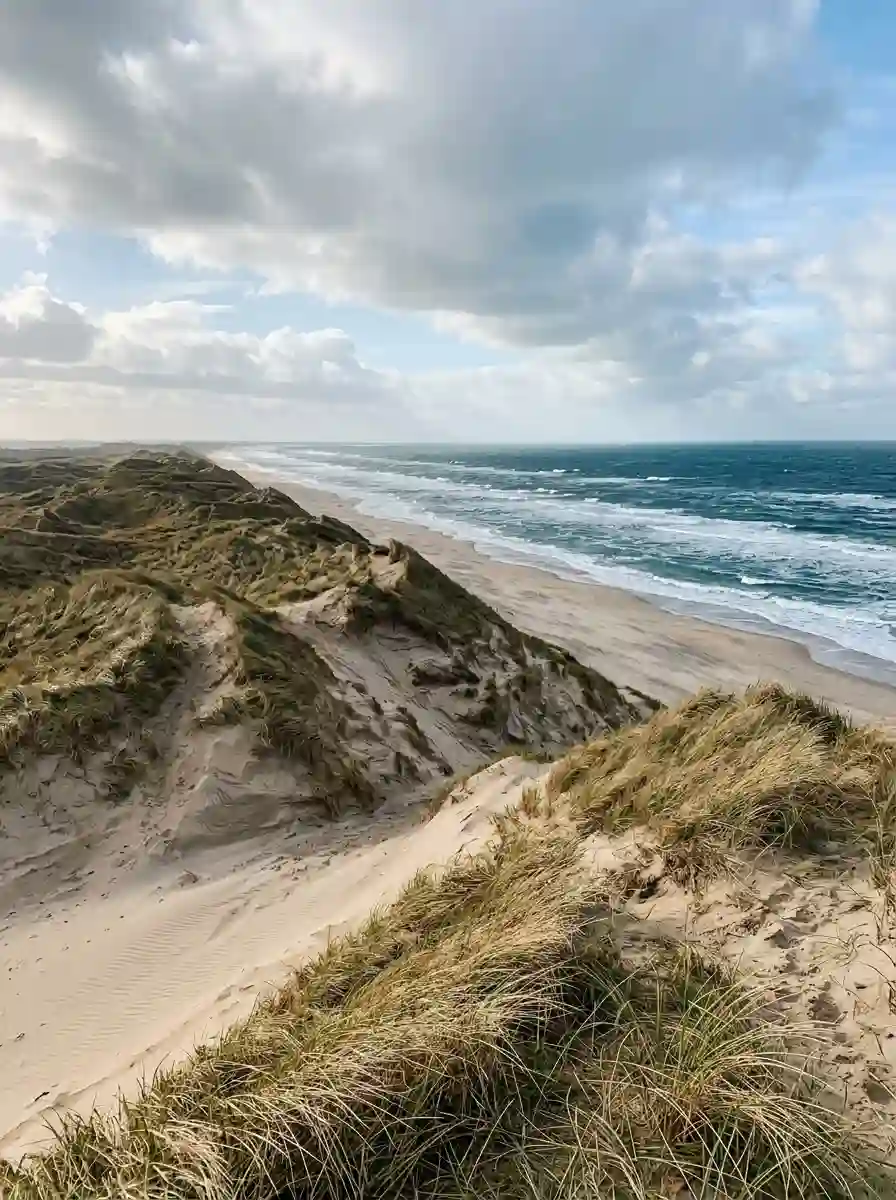
While Denmark is a relatively small country, weather patterns can still vary somewhat between regions, which is worth considering when determining the best time to visit Denmark for a specific part of the country. Coastal areas, particularly in northern Jutland, tend to experience slightly more wind and unpredictable weather compared to the more sheltered conditions typical of Copenhagen and the eastern islands.
I have found that trips focused specifically on coastal exploration in Jutland benefit from slightly more flexible planning, since weather along the coast can shift more quickly compared to inland or more urban areas. Regardless of region, packing layers remains a smart strategy throughout most of the year in Denmark, given how quickly conditions can change even within a single day.
Planning Your Itinerary Around The Best Time To Visit Denmark
Once you have settled on a general season, building out a more detailed itinerary becomes significantly easier. I always recommend researching specific festivals, markets or seasonal events relevant to your chosen travel window, since Denmark hosts a genuinely impressive calendar of cultural events throughout the entire year.
For summer trips, checking the schedule for major festivals like Roskilde well in advance helps ensure you do not miss out on tickets or accommodation near popular event dates. For winter trips, confirming exact Christmas market dates in Copenhagen and other cities ensures your visit aligns with these seasonal highlights, since many markets operate only during a specific window in late November and December.
Packing Tips Based On The Best Time To Visit Denmark
Regardless of when you choose to travel, Denmark’s weather can shift unexpectedly throughout any given day, making layered clothing essential year round. For summer visits, I still recommend packing a light jacket or sweater for cooler evenings, even during the warmest months of the year.
For winter travel, proper insulated layers, waterproof boots and a quality winter coat become absolutely essential given the cold, often damp conditions typical of Danish winters. Regardless of season, comfortable walking shoes remain a must, since exploring Denmark on foot or by bicycle genuinely offers the best way to experience both Copenhagen and the smaller towns scattered throughout the countryside.
Final Thoughts On The Best Time To Visit Denmark
After multiple trips spread across every season this country has to offer, I can honestly say there is no single, universally correct answer when it comes to the best time to visit Denmark. Each season brings its own distinct personality, from the long golden evenings of summer to the cozy, candlelit charm of a Danish winter.
If pressed to give a single recommendation, I would lean toward late spring or early fall for most first time visitors, since these windows strike a lovely balance between pleasant weather, reasonable crowds and genuine access to Danish culture without the extremes of peak summer or deep winter. That said, if you are drawn specifically to Christmas markets or cozy hygge vibes, winter genuinely delivers an experience worth the cold. My honest advice, after years of returning to this beautiful country, is to choose the season that matches the specific experience you are hoping to have, rather than simply chasing whatever time of year everyone else recommends.
Frequently Asked Questions About The Best Time To Visit Denmark
What is the overall best time to visit Denmark?
Late spring through early fall, particularly May, June and September, generally offers the best overall balance of pleasant weather, manageable crowds and reasonable pricing.
Is Denmark cold in winter?
Yes, Denmark experiences cold, often damp winters with temperatures frequently hovering near or below freezing, along with significantly shorter daylight hours.
What is the rainiest month in Denmark?
October and November tend to see the highest rainfall, though light rain remains possible throughout nearly any month of the year in Denmark.
When does Tivoli Gardens open in Copenhagen?
Tivoli Gardens typically opens in early spring, closes briefly, then reopens for its elaborate Christmas market during the holiday season in late November.
Is summer the most expensive time to visit Denmark?
Yes, summer generally brings the highest accommodation prices and largest crowds, given the combination of warm weather and extended daylight hours.
What month has the longest daylight hours in Denmark?
June offers the longest daylight hours, with days stretching to nearly seventeen hours of usable light during the summer solstice period.
Is Denmark worth visiting in winter?
Yes, winter offers a uniquely cozy, atmospheric experience centered around Danish hygge culture, along with charming Christmas markets during the holiday season.
What is the cheapest time to visit Denmark?
The quieter winter months outside of the December holiday rush, along with early spring, generally offer the most budget friendly pricing throughout the year.
Does Denmark get snow in winter?
Yes, Denmark does receive snow during winter, though snowfall tends to be lighter and less consistent compared to other Scandinavian countries further north.
What is the best time to see Danish Christmas markets?
Late November through late December offers the best window for experiencing Denmark’s festive Christmas markets, particularly throughout Copenhagen.
Is spring a good time to visit Copenhagen?
Yes, spring offers blooming scenery, comfortable temperatures and noticeably smaller crowds compared to the busier summer tourist season in Copenhagen.
What should I pack for a trip to Denmark?
Layered clothing, a waterproof jacket and comfortable walking shoes remain essential year round, with additional insulated layers required for winter travel specifically.
Can you see the northern lights in Denmark?
Occasionally, particularly in northern Jutland during winter, though sightings remain far less reliable compared to destinations positioned further north like Norway or Iceland.
What is the best month for cycling in Denmark?
June through September generally offers the most comfortable conditions for cycling, thanks to mild temperatures and significantly extended daylight hours.
Is Denmark busy with tourists in summer?
Yes, summer brings the largest crowds of the year, particularly in Copenhagen, due to warm weather, long daylight hours and major festivals throughout the season.
How many days do you need in Denmark?
Most travelers benefit from at least five to seven days to comfortably explore Copenhagen along with a few additional destinations elsewhere in the country.