
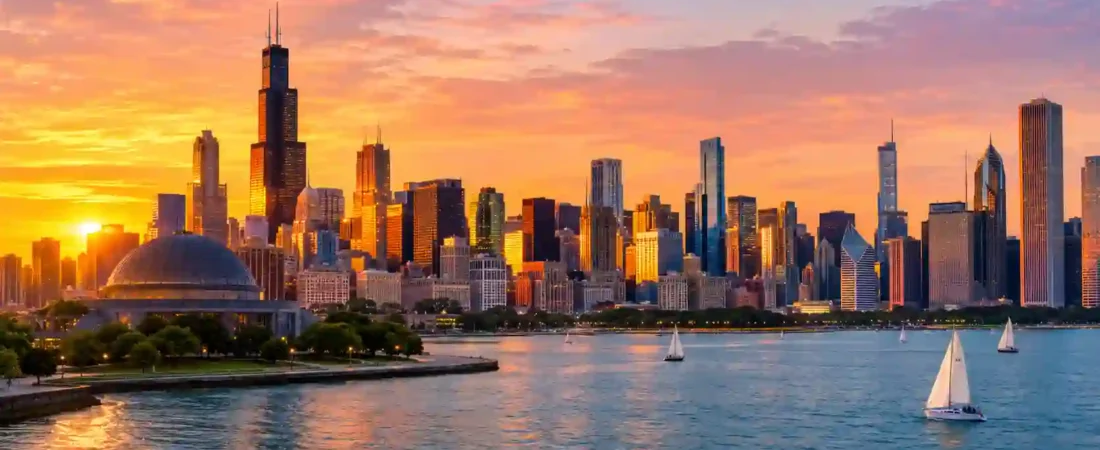
Chicago is one of those cities that tends to surprise people. You arrive expecting tall buildings and cold wind, and you leave talking about the architecture, the lakefront, the jazz, and the fact that you ate pizza with a fork and knife. (More on that later.)
This guide covers the best things to do in Chicago, whether it’s your first visit or your fifth. I’ve organized it so you can find what fits your trip: iconic landmarks, world-class museums, neighborhoods worth wandering, food you shouldn’t skip, nightlife, and a few quieter places most tourist lists ignore. You’ll also find sample itineraries, seasonal advice, transport tips and answers to the questions people ask most.
Also Read : Things to Do in Charlottetown: 25 Best Attractions, Eats and Day Trips
One note before we start. Prices, hours and ticket rules change often, especially for observation decks, boat tours and special exhibits. I’ve deliberately avoided quoting exact prices. Check each attraction’s official website before you book.
Chicago at a Glance
| Nickname | The Windy City (the wind is real, but the nickname likely has political roots too) |
| Best time to visit | Late May to early October; December for holiday markets |
| Ideal trip length | 3 to 5 days |
| Getting around | CTA trains (“the L”), buses, walking, rideshare, Divvy bikes |
| Airports | O’Hare (ORD) and Midway (MDW), both connected to downtown by train |
| Best for | Architecture, museums, food, live music, lakefront fun, sports |
| Budget friendly? | Mixed. Hotels and attractions add up, but free options are plentiful |
Why Chicago Deserves a Spot on Your Travel List
Chicago is big enough to feel like a global metropolis but friendly enough that strangers will argue passionately about which pizzeria is best and then give you directions. Here’s what makes it special.
It’s the home of the modern skyscraper. After the Great Fire of 1871 wiped out much of the city, Chicago rebuilt with ambition. Architects here pioneered steel-frame construction and tall commercial buildings, and the skyline today is basically an open-air architecture textbook.
It has a real lakefront. Lake Michigan is so large that it feels like an ocean. Chicago’s shoreline has beaches, parks, harbors and a long path that runs for miles. Few big American cities hand their waterfront over to the public this generously.
It’s a food city without the pretension. You can eat at a Michelin-starred restaurant at night and a hot dog stand at lunchtime and enjoy both equally.
It’s made of neighborhoods. The Loop is only one piece. Pilsen, Wicker Park, Logan Square, Chinatown, Hyde Park and Andersonville each feel like a distinct small town inside a big city.
It’s a music town. Blues, jazz, house music, gospel and indie rock all have roots here.
Now, let’s get to the list.
When Is the Best Time to Visit Chicago?
The things you can do depend a lot on the season, so it’s worth thinking about timing first.
Spring (March to May)
Spring in Chicago is unpredictable. March can feel like winter, and April might give you a surprise 70°F afternoon followed by a cold, rainy week. By mid-to-late May, the city comes alive: patios open, the lakefront fills with runners and cyclists, and parks turn green. It’s a good time for museums and architecture tours, with smaller crowds than summer. Pack layers.
Summer (June to August)
This is peak season, and for good reason. Beaches are open, outdoor concerts run all week, festivals fill Grant Park, and the river cruises are at their best. Expect warm to hot weather, occasional humidity and higher hotel prices. Big events like Pride, Lollapalooza and the Air and Water Show can push rates up and book rooms out, so plan ahead.
Fall (September to November)
Many locals consider early fall the best time of year. The weather is crisp, the crowds thin out and the light on the skyline is beautiful. Fall foliage shows up in Lincoln Park and along the lakefront, and the Chicago Marathon takes over the city in early October. By November, it gets properly cold.
Winter (December to February)
Winter is cold, windy and sometimes snowy, but it has its charms. The holiday lights, ice skating in the Loop, the German-style Christkindlmarket and cozy restaurants all give the city a different mood. Hotel rates are often lower outside the holiday weeks. Museums are the smart move on the coldest days. Bring a real coat, a hat, gloves and boots.
Must Read : Best Places to Travel in October: 19 Destinations Picked by Weather, Crowds and Budget
How to Get Around Chicago
You don’t need a car. Honestly, you’ll probably regret having one downtown because of parking costs and traffic.
- The L (CTA trains): The elevated and subway train system covers most areas visitors care about. The Blue Line connects O’Hare to the Loop, and the Orange Line connects Midway. You can tap a contactless card or use the Ventra app to pay.
- Buses: Slower than trains, but useful for lakefront routes and neighborhoods not close to a station.
- Walking: The Loop, River North, the Magnificent Mile and the Riverwalk are all very walkable. Wear comfortable shoes.
- Divvy bikes: Bike-share stations are all over the city, and the Lakefront Trail makes biking a pleasure.
- Rideshare and taxis: Handy late at night or when traveling with luggage.
- Water taxis: Seasonal, scenic and surprisingly practical between certain downtown spots.
Local tip: Look into multi-attraction passes if you plan to see several paid sights. They can save money, but only if you’ll actually use most of the included attractions. Do the math first.
Iconic Chicago Landmarks and Skyline Views

1. Millennium Park and Cloud Gate (The Bean)
If you only have time for one stop downtown, make it Millennium Park. It’s free, central and packed with things to see.
The headline attraction is Cloud Gate, the giant mirror-bright sculpture by artist Anish Kapoor, which everyone calls “the Bean.” It’s made of seamless stainless steel plates and reflects the skyline and the people around it in a way that makes you want to take about forty photos. Walk underneath it, through the curved “omphalos” chamber, where your reflection warps in funny ways.
But don’t stop at the Bean. Nearby you’ll find:
- Crown Fountain: Two glass towers that display video faces and spout water. On hot days, kids (and plenty of adults) splash around in the shallow pool.
- Jay Pritzker Pavilion: The Frank Gehry-designed bandshell with swooping steel ribbons. In summer it hosts free concerts, and you can bring a picnic to the lawn.
- Lurie Garden: A peaceful, plant-filled retreat that feels miles away from the traffic.
- The Chicago Cloud Gate area in winter: The nearby ice rink opens in colder months, with the skyline around you.
Best time to go: Early morning for fewer people in your photos, or at sunset for golden light.
Cost: Free.
Time needed: 1 to 2 hours.
2. Willis Tower Skydeck and The Ledge
Rising more than 1,400 feet, Willis Tower (still called “the Sears Tower” by many locals) is one of the tallest buildings in the country. The Skydeck sits on the 103rd floor, and the main draw is The Ledge: glass boxes that extend out from the building so you can stand over the street far below.
On a clear day you can see for miles across the city and, according to the tower’s own marketing, into several states. It’s genuinely thrilling the first time you step onto the glass, even if you’re not usually afraid of heights.
Tips:
- Book timed tickets online to avoid the longest lines.
- Go on a clear day. Cloud cover or fog can make the view disappointing.
- Early morning or near sunset tends to be the best light.
Time needed: 1 to 1.5 hours.
3. 360 Chicago and TILT
North of the river on Michigan Avenue, 360 Chicago sits on the 94th floor of the building many people still call the Hancock. The views of Lake Michigan and the lakefront are some of the best in the city, because you’re looking at both the skyline and the shoreline.
The big attraction is TILT, where you stand against floor-to-ceiling windows and the platform slowly tips you outward over the street. It’s a fun add-on if you like a little adrenaline. If heights make you queasy, the standard viewing area is still worth it.
Which observation deck is better, Willis or 360? Willis Tower gives you a more dramatic skyscraper-canyon feel, while 360 Chicago gives you better lake views and a nicer look at the Magnificent Mile. If you have time for only one, pick based on what you want in your photos. If you want a more relaxed experience, 360 also has a bar area where you can sip a drink with the view.
4. Chicago Architecture River Cruise

If there’s one activity nearly every visitor and local agrees on, it’s this one. An architecture cruise takes you along the Chicago River and through the heart of downtown, with a guide explaining who designed what, why it matters and how the city rebuilt itself after the 1871 fire.
Read Also : Best Places to Visit in December: 28 Destinations for Snow, Sun, Festive Markets and Fresh Starts
You’ll float past Marina City’s corncob towers, the Wrigley Building, Trump Tower, the Merchandise Mart and dozens more. Even if you think you don’t care about architecture, a good guide makes it fun with stories, rivalries and quirky facts.
Good to know:
- Tours run mostly from spring through fall, with some limited options at other times.
- Book ahead for weekends and summer.
- Bring a light jacket. It’s windier on the water than you’d expect.
- Choose a tour run by a reputable operator with trained guides, because quality varies.
Time needed: About 90 minutes.
5. Chicago Riverwalk
The Chicago Riverwalk is a waterfront promenade along the south bank of the river, stretching for roughly a mile and a quarter through downtown. It used to be a neglected utility strip, and now it’s one of the most pleasant places in the city to stroll.
It’s organized into themed “rooms” with names like the Marina, the Cove and the Water Plaza, each with its own feel. You’ll find cafes, bars, kayak rentals, public art and plenty of benches. It’s a great place for a morning coffee, a sunset cocktail or a casual walk between attractions.
Best for: Easy walking, people-watching, photography and a break from museums.
6. Navy Pier
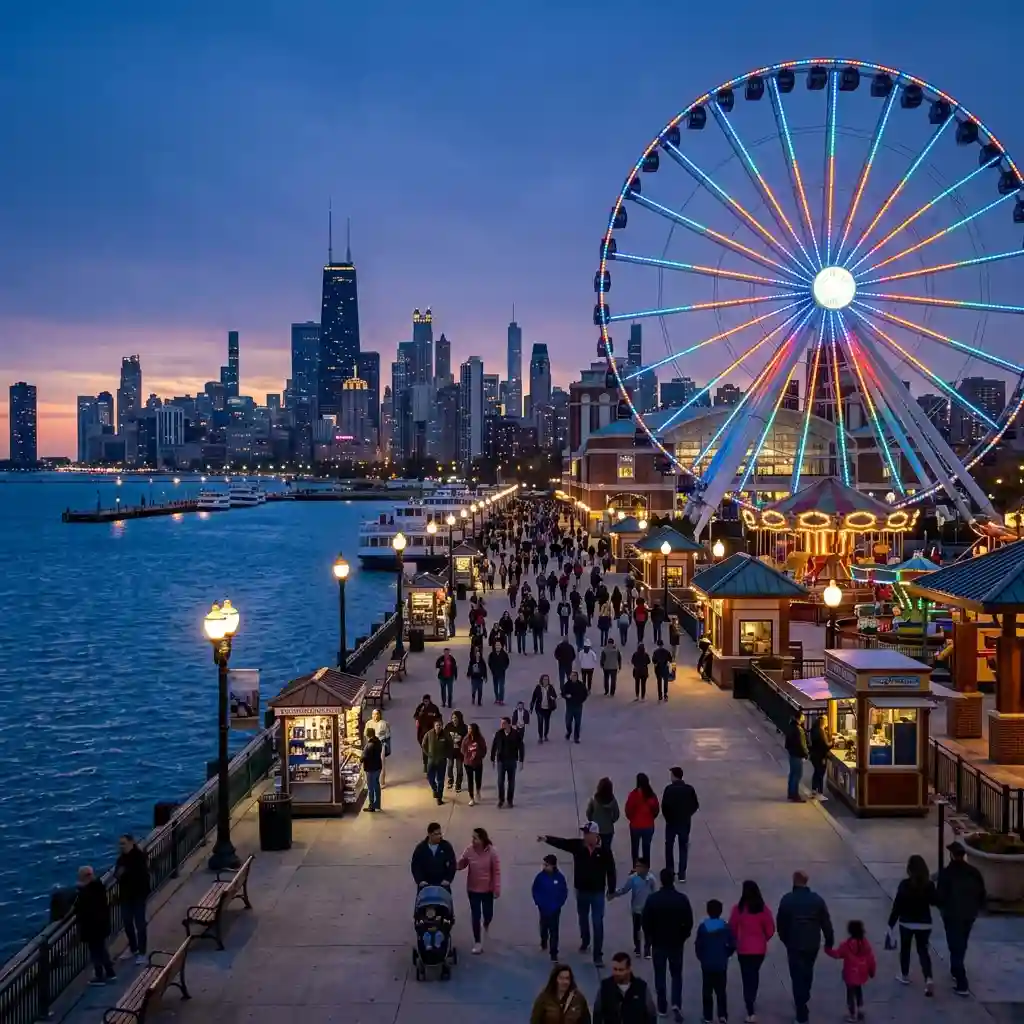
Navy Pier is a bit of a love-it-or-skip-it attraction among locals, but for first-time visitors, especially families, it’s worth considering. It juts into Lake Michigan and offers a Ferris wheel (the Centennial Wheel), carnival-style rides, restaurants, shops, boat tours and the Chicago Children’s Museum.
The best reasons to go are the lake views, the fireworks shows during the summer (check the schedule for current days) and the sense of being out over the water. The worst reasons are shopping and dining, where you’ll often find better options elsewhere in the city.
Tip: Walk or take a water taxi rather than driving, because parking is expensive. And if the pier feels crowded, walk to the far end, where it’s quieter.
7. Buckingham Fountain
Located in Grant Park, Buckingham Fountain is one of the largest fountains in the country, built in a wedding-cake style in the 1920s. During the warm season, it runs daily, with water displays and a light show in the evening.
It’s free and photogenic, and it sits right between the lakefront and the Loop. Pair it with a stroll through Grant Park, or end a long day with the evening show.
8. Magnificent Mile
The Magnificent Mile is Chicago’s famous shopping stretch of North Michigan Avenue, running from the river north toward Oak Street. You’ll find flagship stores, department stores, hotels and restaurants.
Even if you’re not a shopper, it’s worth walking at least a portion. Along the way you’ll pass the Wrigley Building, Tribune Tower, the historic Water Tower (one of the few buildings that survived the 1871 fire) and plenty of street-level energy. In December, the lights and decorations make it especially festive.
9. The Chicago Theatre Sign and Loop Theater District
You’ve probably seen the Chicago Theatre’s glowing marquee in movies and photos. The 1921 landmark still hosts concerts, comedy and live shows. Even if you don’t buy tickets, the sign makes a great evening photo.
The surrounding Loop theater district has several historic venues for Broadway tours, musicals and plays. Check what’s on during your visit, since a night at the theatre can be one of the most memorable things to do in Chicago.
Also Read : Beautiful Places in Lazio, Italy: Stunning Towns, lakes,islands and Gardens Beyond Rome
Best Museums in Chicago

10. The Art Institute of Chicago
The Art Institute is one of the great art museums of the world. The collection includes famous works such as American Gothic, Nighthawks and Seurat’s A Sunday on La Grande Jatte, along with a strong impressionist and post-impressionist collection, Asian art, architecture and more.
The two bronze lions at the front entrance are a Chicago landmark in their own right, and they’re often dressed up in team gear when local teams are in the playoffs.
Tips:
- Don’t try to see everything. Pick two or three wings and enjoy them.
- Go early on weekdays when it’s quieter.
- Check the museum’s website for timed tickets and free-entry policies for residents.
- The Modern Wing is bright, airy and has a nice terrace.
Time needed: 2 to 4 hours.
11. The Field Museum
Home to Sue, one of the most complete Tyrannosaurus rex skeletons ever found, the Field Museum is a natural history museum with something for every age. Beyond the dinosaurs you’ll find ancient Egyptian artifacts, gems, wildlife dioramas and cultural exhibits.
It’s part of the Museum Campus along the lakefront, so you can combine it with the Shedd Aquarium and Adler Planetarium. Because it’s huge, consider choosing a few exhibits to prioritize.
12. Shedd Aquarium
The Shedd Aquarium is one of the largest indoor aquariums in the United States, with thousands of animals from rivers, oceans and coral reefs. Highlights often include the Amazon exhibit, the Wild Reef, the beluga whales and the dolphin presentations (check current offerings).
It’s great for kids but equally enjoyable for adults. The setting right on the lakefront is a bonus. Because it’s popular, buy timed tickets ahead of time, especially on weekends and school holidays.
13. Adler Planetarium
The Adler was the first planetarium in the Western Hemisphere, and it’s still a fun stop for anyone curious about space. Inside you’ll find sky shows, exhibits on the solar system and interactive displays.
The real secret, though, is outside. The planetarium’s lakeside location gives you one of the best postcard views of the Chicago skyline, especially at sunset. Even if you skip the museum, the walk is worth it.
14. Museum of Science and Industry
Located in Hyde Park on the South Side, the Museum of Science and Industry (MSI) is the largest science museum in the Western Hemisphere. It occupies a grand building left over from the 1893 World’s Columbian Exposition.
Famous exhibits have included a captured German U-boat, a coal mine, a giant model train layout and hands-on science displays. It’s an especially good choice for families. Because it’s farther from downtown, plan on a half day or more, and combine it with a walk around the University of Chicago campus or a visit to Frank Lloyd Wright’s Robie House.
15. Chicago Cultural Center
This is one of Chicago’s best free attractions, and many visitors walk right past it. The building is a stunning landmark that houses what is often described as the world’s largest Tiffany stained-glass dome. There are free exhibits, concerts and events throughout the year.
It’s also a good place to warm up on a cold day or cool down on a hot one. If you love interiors, don’t skip it.
16. Chicago History Museum
If you want to understand how Chicago became Chicago, this museum in Lincoln Park tells the story: the fire, the World’s Fairs, immigration, politics, labor, music and more. It’s a good rainy-day option, and pairs naturally with a visit to nearby Lincoln Park.
17. National Museum of Mexican Art
Located in the Pilsen neighborhood, this museum is one of the largest Latino cultural institutions in the country and is typically free to enter. The exhibits cover traditional and contemporary Mexican art, and the Day of the Dead exhibition has become a beloved annual tradition. Combine it with a stroll through Pilsen’s murals and a taco stop.
Parks, Beaches and Outdoor Things to Do in Chicago
18. The Lakefront Trail
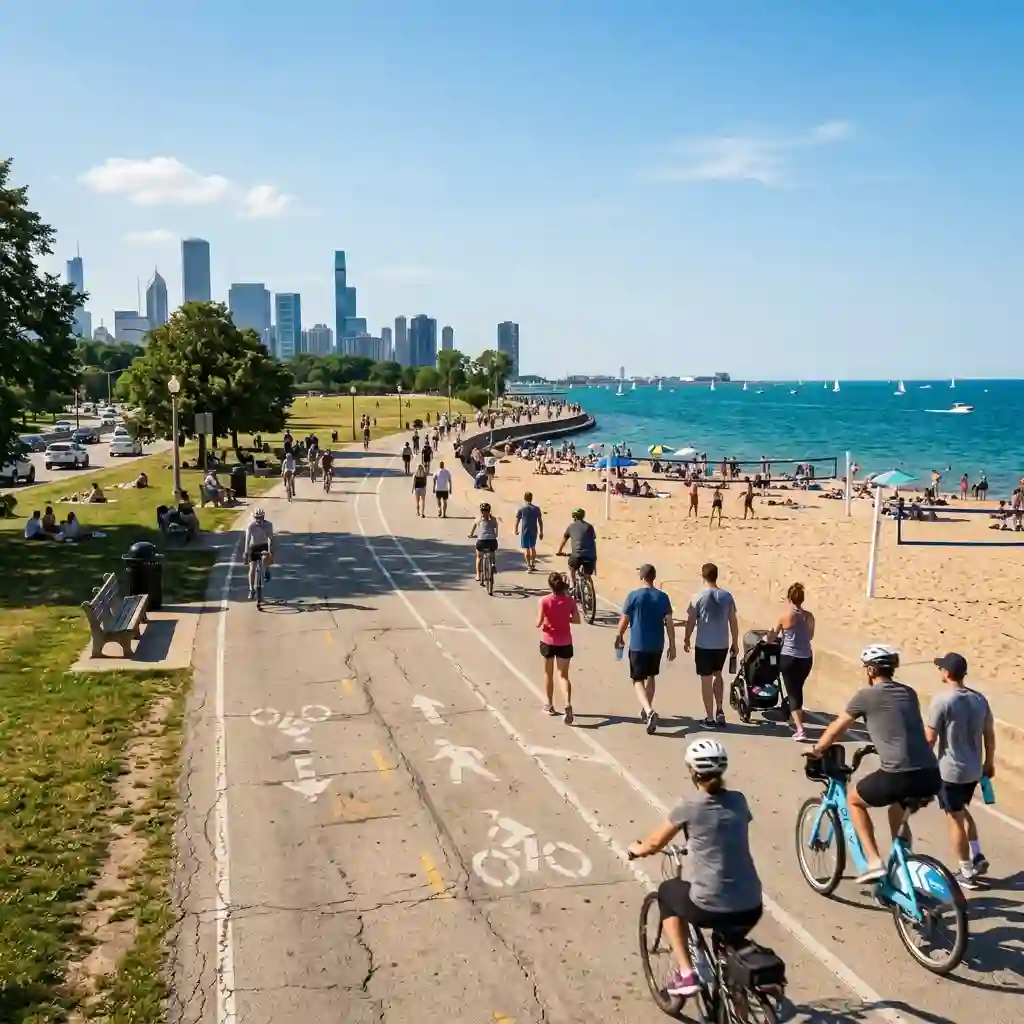
The Lakefront Trail stretches about 18 miles along Lake Michigan and is one of the best ways to experience the city. You can walk, jog or bike past beaches, harbors, parks and views of the skyline.
If you only do a short portion, consider the stretch between Navy Pier and North Avenue Beach, which gives you a good mix of skyline and shoreline. Rent a bike for a couple of hours and you’ll cover a lot of ground without much effort.
Also Read : When Is the Best Time to Visit Paris? A Season by Season Guide From Someone Who Keeps Going Back
19. North Avenue Beach and Oak Street Beach
Yes, Chicago has real beaches. North Avenue Beach is lively, with volleyball courts, a beach house, rental stands and a skyline backdrop. Oak Street Beach is more compact and more elegant, tucked near the Gold Coast.
In summer, they’re a joy. You can swim, sunbathe or simply sit and watch the sailboats. Pay attention to posted lifeguard hours and water conditions, as Lake Michigan can be cold and the currents can be strong.
20. Lincoln Park and Lincoln Park Zoo
Lincoln Park is the city’s largest public park, and it’s a real mix: lagoons, trails, gardens, a conservatory, beaches and a free zoo. Lincoln Park Zoo is one of the oldest zoos in the country, and it’s free to enter, which makes it a rare bargain among major city attractions.
Pair it with the Lincoln Park Conservatory, a Victorian greenhouse that’s especially lovely in winter, when stepping into the warm, plant-filled space feels like a mini escape to the tropics.
21. Maggie Daley Park
Near Millennium Park, Maggie Daley Park is a creative, modern urban park with playgrounds, climbing walls, a mini golf course and, in winter, an ice-skating ribbon that winds through the park. It’s a favorite for families and a good way to burn some energy between museum visits.
22. The 606 Trail
The 606 is an elevated trail built on an old rail line on the city’s northwest side. It runs through several neighborhoods, including Wicker Park and Logan Square, and it’s popular for biking, walking and people-watching. Along the way, you can see local murals, community gardens and neighborhood life.
It’s a nice way to get a feel for how Chicagoans actually live, away from the downtown crowds.
23. Garfield Park Conservatory
This is one of the largest conservatories in the country and one of the best “hidden” gems for visitors. The huge glass building holds tropical plants, ferns, desert collections and seasonal flower shows. In the cold months, it feels like walking into another climate.
It’s on the West Side, so plan a rideshare or train trip, and check the current visiting rules before you go.
24. Chicago Botanic Garden
Technically in the suburb of Glencoe, the Chicago Botanic Garden is a short trip from the city, and it’s worth it if you love gardens. Its 385 acres include themed gardens, lakes, walking paths and seasonal displays. It’s gorgeous in spring and summer and quieter in fall. It’s easiest to reach by car or a combination of train and rideshare.
Sports and Entertainment
25. Catch a Cubs Game at Wrigley Field
You don’t have to be a baseball fan to enjoy a day at Wrigley Field. The ballpark opened in 1914 and still has ivy-covered outfield walls, a hand-operated scoreboard and an atmosphere that feels like a neighborhood party.
Tickets can be pricey for popular games, but you can often find more affordable seats on weekdays or against less popular opponents. The surrounding Wrigleyville neighborhood is packed with bars and restaurants, so arrive early and soak it in.
Other sports options: The White Sox play on the South Side, the Bulls and Blackhawks play at the United Center, and the Bears play at Soldier Field along the lakefront. Check the schedules for whichever season you’re visiting.
26. See Comedy at The Second City
Chicago’s comedy scene has launched countless famous performers. The Second City is the most famous improv and sketch theater in the world, and it’s still a great night out. Shows range from polished sketch revues to improv sets, and there are other theaters in the city, like iO and Zanies, if you want to see more.
If you love to laugh, this is one of the best things to do in Chicago at night.
27. Take in a Broadway-Style Show
The Loop theater district brings in touring Broadway productions, while Chicago’s own theater community, including Steppenwolf and Goodman, produces some of the best plays in the country. Whether you want a big musical or an intimate drama, there’s likely something on.
28. Listen to Live Blues and Jazz

Chicago blues is part of the city’s DNA. Clubs like Buddy Guy’s Legends, Kingston Mines and others keep the tradition alive with nightly live music. Jazz fans should also look into the Green Mill, a historic Uptown club that has been around for more than a century and is known for its vintage atmosphere.
You don’t need to be a music expert. Just go, order a drink and let the band do the work. Check schedules and cover charges ahead of time, and arrive early if you want a good seat.
Neighborhoods Worth Exploring
29. Pilsen
Pilsen is known for its colorful murals, Mexican-American culture, art galleries and excellent food. Walk along 18th Street and the surrounding blocks to see large-scale street art, then stop for tacos, pan dulce or a coffee. The National Museum of Mexican Art is here too.
30. Wicker Park and Bucktown
If you like vintage shops, indie boutiques, record stores, coffee shops and trendy restaurants, this is your area. It’s a good place to wander without a plan. The 606 trail also runs through here.
31. Chinatown
Chicago’s Chinatown is lively, busy and delicious. You’ll find dim sum restaurants, bakeries, grocery stores and the picturesque Chinatown Gate. Don’t miss Ping Tom Memorial Park, which offers pretty views of the river and skyline.
32. Hyde Park
Home to the University of Chicago, Hyde Park is a quieter, leafy neighborhood on the South Side. Highlights include the Museum of Science and Industry, the Robie House by Frank Lloyd Wright, the gothic campus architecture and some great bookshops.
33. Andersonville and Logan Square
Andersonville has a Scandinavian heritage, an independent shopping scene and a welcoming, community feel. Logan Square, farther southwest, is known for its restaurants, cocktail bars, boulevards and creative energy. Both are good choices if you want a more local-feeling afternoon or evening.
34. Oak Park and the Frank Lloyd Wright Trail
Just west of the city, Oak Park has the largest collection of Frank Lloyd Wright-designed buildings anywhere. The Frank Lloyd Wright Home and Studio offers guided tours, and the surrounding streets are filled with stunning Prairie-style homes. It’s easy to reach by train, making it a great half-day trip for architecture fans.
Read Must: Best Travel Destinations That Will Completely Transform The Way You See The World
Food and Drink: The Delicious Side of Chicago
35. Eat Your Way Through the City
Food deserves a place on any list of the best things to do in Chicago, because eating here is an activity in itself. Here’s what to try.
Deep-dish pizza. Thick, buttery crust, layers of cheese, toppings and chunky tomato sauce on top. It takes a while to bake, so order ahead if you can. Popular names include Lou Malnati’s, Giordano’s, Pequod’s and Gino’s East, and locals will happily argue about which is best. Try at least one and decide for yourself.
Tavern-style thin crust. Many locals actually eat this more often than deep-dish. It’s a crispy, cracker-thin crust cut into squares. If you want to eat like a local, try both styles.
Chicago-style hot dog. An all-beef frank on a poppy-seed bun with mustard, relish, onions, tomato slices, a pickle spear, sport peppers and celery salt. Ketchup is famously not invited. This is one of those cultural rules you break at your own social risk.
Italian beef sandwich. Thin-sliced beef soaked in juices on a roll, often topped with giardiniera (spicy pickled vegetables). Order it “dipped” if you want it extra juicy, and bring napkins.
Garrett Popcorn. The cheese-and-caramel mix is a Chicago classic, and you’ll smell it before you see the shop.
Fine dining and global food. Chicago’s restaurant scene ranges from Michelin-starred tasting menus to incredible Mexican, Polish, Ethiopian, Thai, Korean and Indian spots. Book popular restaurants ahead, particularly on weekends.
Craft beer and cocktails. The city has a thriving brewery scene, and rooftop bars with skyline views are especially popular in summer.
Food tours: If you’d like a guided introduction, a pizza tour or neighborhood food walk can be a fun way to learn the history while you eat.
Free Things to Do in Chicago
Chicago can be expensive, but there are lots of free ways to enjoy it:
- Millennium Park, Cloud Gate and the Lurie Garden
- Chicago Cultural Center
- Lincoln Park Zoo
- The Lakefront Trail and beaches
- Chicago Riverwalk
- Buckingham Fountain and Grant Park
- Garfield Park Conservatory (check current policies)
- Summer concerts and festivals in the parks
- Street art walks in Pilsen and Wicker Park
- Free-admission days at some museums for residents or at certain times (check each museum’s website)
You can fill several days with these alone.
Sample Chicago Itineraries
One Day in Chicago
If you only have 24 hours, keep it simple and stick to the highlights:
- Morning: Millennium Park and Cloud Gate, then walk to the Art Institute (or skip the museum if you’re short on time).
- Lunch: A Chicago-style hot dog or Italian beef, or deep-dish if you’re feeling brave.
- Afternoon: Architecture river cruise, then a stroll on the Riverwalk.
- Evening: Views from Willis Tower or 360 Chicago at sunset, then dinner in River North or the West Loop.
Three Days in Chicago
Day 1: Downtown classics. Millennium Park, Art Institute, Riverwalk, architecture cruise, observation deck at sunset, dinner and a show.
Day 2: Museums and lakefront. Museum Campus (choose Field Museum, Shedd Aquarium or Adler), a walk along the lakefront, lunch in the South Loop, an afternoon at Maggie Daley Park or Navy Pier, and live blues at night.
Day 3: Neighborhoods. Brunch in Wicker Park, a walk on the 606, a Cubs game at Wrigley Field or an afternoon in Lincoln Park, dinner in Logan Square or Pilsen, and a nightcap at a cocktail bar.
Five Days in Chicago
Follow the three-day plan, then add:
Day 4: Architecture and culture. Take a day trip to Oak Park for Frank Lloyd Wright, then return for the Chicago Cultural Center and a comedy show at The Second City.
Day 5: Choose your adventure. Visit the Museum of Science and Industry and Hyde Park, explore Chinatown and Ping Tom Park, or head to the Chicago Botanic Garden. Finish with a farewell deep-dish pizza.
Must Read : Places to Visit in Athens, Greece: What’s Actually Worth Your Time
Chicago for Different Types of Travelers
Families: Shedd Aquarium, Field Museum, Lincoln Park Zoo, Navy Pier, Maggie Daley Park, Museum of Science and Industry, and the Chicago Children’s Museum are all kid-friendly.
Couples: Sunset on the lakefront, a river cruise, dinner in the West Loop, live jazz at the Green Mill and a rooftop drink with the skyline.
Solo travelers: The city is safe and easy to explore in the main visitor areas. Join an architecture tour, a food tour or a comedy night to meet people.
Budget travelers: Focus on free attractions, picnic in the park, eat at casual spots and use public transit.
History and architecture lovers: Architecture cruise, Chicago Cultural Center, Oak Park, Robie House, Chicago History Museum and a walking tour of the Loop.
Foodies: Pizza, hot dogs, Italian beef, a food tour, neighborhood restaurants, and at least one big splurge dinner.
Day Trips from Chicago
If you have extra time, these options are worth considering:
- Indiana Dunes National Park: Sandy beaches, dunes and hiking trails, about an hour or so away depending on traffic.
- Starved Rock State Park: Canyons, waterfalls and scenic trails in north-central Illinois, best in spring and fall.
- Galena: A charming historic town in the northwest corner of the state, known for its well-preserved 19th-century buildings.
- Milwaukee, Wisconsin: Roughly 90 minutes away, with a lively food and brewery scene and a great lakefront art museum.
Practical Tips for Visiting Chicago
- Dress in layers. Weather can shift quickly, and the lake breeze can make it cooler than the forecast suggests.
- Book popular attractions ahead. Observation decks, boat tours, the Art Institute and the Shedd Aquarium all benefit from timed tickets.
- Stay near transit. A hotel near an L station makes everything simpler, even if it’s outside the Loop.
- Don’t limit yourself to downtown. The neighborhoods are where Chicago’s personality shows.
- Mind the weather for views. Check visibility before paying for an observation deck.
- Be street-smart. Chicago is generally safe in tourist areas, but like any big city, stay aware of your surroundings, especially at night, and check local advice about specific neighborhoods.
- Eat outside tourist traps. The best-known spots are fine, but you’ll often find better value a few blocks away.
- Watch event calendars. Big festivals, marathons and conventions raise hotel prices and crowd levels.
- Tip appropriately. Standard US tipping norms apply in restaurants, bars and for tour guides.
- Leave time to wander. Some of the best Chicago moments happen when you don’t have a plan.
What to Skip (or Approach with Realistic Expectations)
An honest guide includes a few caveats:
- Overpriced tourist restaurants near the biggest attractions. You can usually do better elsewhere.
- Trying to see every museum. You’ll burn out. Choose two or three that match your interests.
- Navy Pier shopping and dining. Enjoy the views and rides, but eat somewhere else.
- Driving downtown. Parking is expensive, and traffic can be frustrating.
- Packing your schedule too tight. Chicago rewards slow exploration.
Frequently Asked Questions About the Best Things to Do in Chicago
What are the top things to do in Chicago for first-time visitors?
Start with Millennium Park and Cloud Gate, an architecture river cruise, the Art Institute of Chicago, an observation deck at Willis Tower or 360 Chicago, the Riverwalk and a deep-dish pizza dinner. Add a lakefront walk and a neighborhood visit if you have time.
How many days do you need in Chicago?
Three days is enough to see the highlights, while five days lets you explore neighborhoods, take a day trip and move at a relaxed pace. A long weekend can work if you focus on downtown.
What is Chicago most famous for?
Chicago is famous for its skyscrapers and architecture, deep-dish pizza, blues and jazz, major sports teams, the lakefront, big museums and its role in American history.
What are the best free things to do in Chicago?
Millennium Park, the Chicago Cultural Center, Lincoln Park Zoo, the Lakefront Trail, the Riverwalk, Buckingham Fountain and several neighborhood street-art walks are all free.
Is Chicago a walkable city?
Yes, particularly downtown. The Loop, River North, the Magnificent Mile and the Riverwalk are very walkable. For other neighborhoods, use the L, buses or rideshare.
Is Chicago safe for tourists?
The main visitor areas are busy and generally comfortable for tourists. As in any large city, use normal precautions: keep valuables secure, stay aware at night and ask your hotel about the areas you plan to visit.
What should I eat in Chicago?
Try deep-dish pizza, tavern-style thin crust, a Chicago-style hot dog, an Italian beef sandwich and Garrett Popcorn. Then explore the city’s international food scene.
Do I need a car in Chicago?
No. Public transit, walking, rideshare and bikes cover most visitor needs. A car is only useful for day trips outside the city.
What is the best time of year to visit Chicago?
Late spring through early fall offers the best weather for outdoor activities. Summer is the busiest, while September is often a sweet spot of good weather and thinner crowds. December is great for holiday atmosphere.
What are the best things to do in Chicago at night?
Catch live blues or jazz, see a comedy show at The Second City, watch a theater performance, enjoy rooftop views, or visit an observation deck at sunset or after dark.
What are the best things to do in Chicago in winter?
Visit museums, go ice skating, explore the Christkindlmarket, tour the conservatories, see the holiday lights and enjoy cozy restaurants and live music.
What are the best things to do in Chicago with kids?
Shedd Aquarium, the Field Museum, Lincoln Park Zoo, Navy Pier, Maggie Daley Park, the Museum of Science and Industry, the Chicago Children’s Museum and the beaches in summer.
Final Thoughts: Is Chicago Worth Visiting?
Absolutely. Chicago manages to be impressive and relaxed at the same time. It has the skyline and cultural weight of a global city, but it’s also a place where you can sit by the lake with a hot dog and feel perfectly at home.
If you’re building your list of the best things to do in Chicago, start with the big hitters: Millennium Park, the Art Institute, the architecture cruise and a skyline view. Then give yourself time to explore beyond the center. Walk the murals in Pilsen, catch a ball game in Wrigleyville, listen to blues in a smoky club and find your own favorite pizza place.
Do that, and Chicago will probably end up on your list of cities you can’t wait to return.