

There is usually one place. You might be stuck in traffic, scrolling on your phone at midnight, or staring out of an office window when it drifts into your head again: a white village stacked above a blue sea, a mountain lake so still it looks painted, a market lit by lanterns where every smell is new to you. You tell yourself you’ll go someday. Then someday quietly becomes next year, and next year becomes a habit.
That place is your dream destination, and the fact that it keeps coming back to you matters more than most people realise.
Here’s the thing, though. Most articles about dream destinations hand you a list of the same five or seven postcards, Santorini, Bora Bora, the Maldives, and call it a day. They tell you the water is blue and the sunsets are pretty. What they rarely tell you is when to actually go, what it honestly costs, how many days you need, who the place suits and who it will disappoint, or how to move from “I wish” to “I booked it.”
Also Read : Best Places to Travel in October: 19 Destinations Picked by Weather, Crowds and Budget
This guide is built to fix that. We’ll start by working out what a dream destination really is and why your brain clings to certain places. Then we’ll walk through a simple way to find your version instead of somebody else’s. After that, you’ll get ten of the world’s most loved dream destinations, each with real planning detail: the best season, the ideal trip length, who it’s perfect for, and the small things that make or break the experience. Finally, we’ll cover budgeting, timing, common mistakes, responsible travel and the questions people ask most.
Grab a coffee. By the end, you won’t just have a list. You’ll have a plan.
What Exactly Is a Dream Destination?
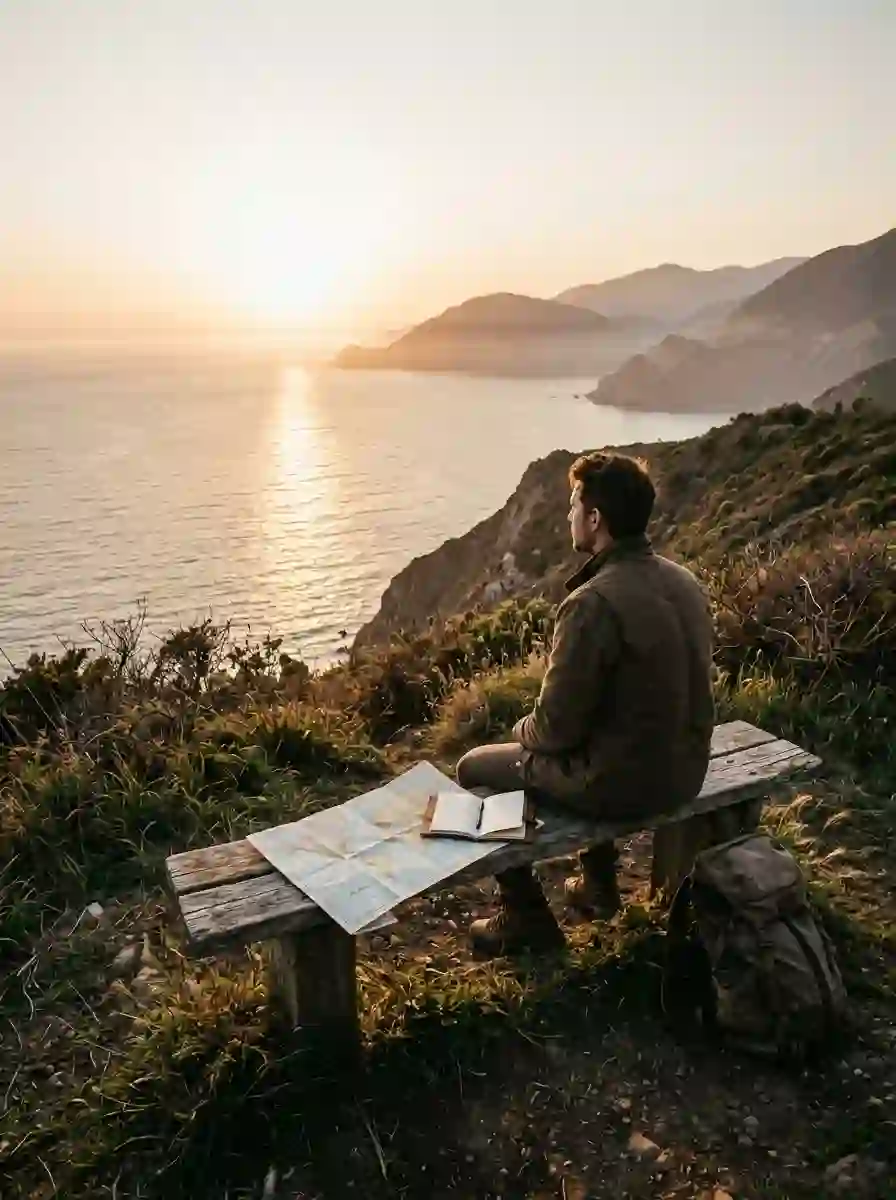
A dream destination is a place you’ve emotionally already visited long before you’ve physically arrived. It lives in your imagination, built from photographs, films, stories from friends, a line in a book, a documentary you watched twice. Over time it gathers feeling around it. It stops being just a point on a map and becomes a symbol of something you want: calm, adventure, romance, freedom, belonging, or simply a break from being “on” all the time.
That’s why two people can look at the same list and react completely differently. For one person, a dream destination is a silent overwater villa in the Indian Ocean. For another, it’s a rainy Scottish island with one pub and no phone signal. Neither is wrong. A dream destination is less about the place and more about what the place promises you.
It also doesn’t have to be exotic or expensive. Some of the most meaningful dream destinations are surprisingly ordinary on paper: the town your grandparents came from, the city where your favourite author lived, the beach you saw once on a calendar as a kid. If it makes your chest tighten a little when you imagine standing there, it counts.
A useful way to think about it: a dream destination usually has three ingredients.
A strong image. Something visual you can see clearly with your eyes closed.
A strong feeling. The emotion you expect to have there, whether that’s awe, peace, excitement or nostalgia.
A strong “someday.” A quiet belief that it’s out of reach for now, whether because of money, time, responsibilities or confidence.
That third ingredient is the one we’re going to chip away at in this article, because “someday” is almost always more flexible than it feels.
Why Do We Dream About Certain Places?
It’s worth spending a minute on this, because understanding why a place pulls you makes it much easier to choose well and to enjoy it once you get there.
Escape and contrast
Most dream destinations are the opposite of daily life. If your days are crowded, noisy and scheduled, your mind tends to drift to empty beaches and open mountains. If your life is quiet and routine, you may find yourself dreaming of loud, colourful, chaotic cities. The brain loves contrast. It’s why a person who works indoors under bright lights often fantasises about vast, wild landscapes.
Stories and symbols
We rarely dream about places in a vacuum. Paris means romance because countless films told us so. Iceland means otherworldly wilderness because of photographs of glaciers and auroras. Japan means precision and quiet beauty because of the way it’s portrayed in cinema, food culture and design. These stories load a place with meaning before we ever step off a plane. That isn’t a bad thing, but it’s helpful to know, because reality is always a little messier and a little richer than the story.
Identity and growth
Sometimes a place represents who we want to become. Trekking in Patagonia may speak to a person who wants to feel more capable and brave. A slow month in Italy may appeal to someone who wants to learn to rest. Often the destination is a stand-in for a version of ourselves we haven’t met yet.
The anticipation effect
There’s a well-known idea in travel psychology that much of the happiness of a trip comes from looking forward to it. Planning, researching and imagining all give you a lift before you’ve even packed. This is a good reason not to treat planning as a chore. Booking a dream trip early means you get to enjoy it twice, once in the anticipation and once in the experience.
So if a place keeps pulling at you, don’t dismiss it as a silly fantasy. Treat it as information about what you need more of in your life.
Must Read : Best Things To Do In Curacao That Will Make You Extend Your Flight Home
How to Discover Your Own Dream Destination
A lot of people end up choosing their dream destination by default. They go where the internet tells them to go, then feel strangely flat when they arrive at a crowded viewpoint with three hundred other people holding the same phone. To avoid that, try these five questions before you choose.
1. What do you want to feel?
Write down three feelings you’d like from this trip. Maybe it’s rested, curious, connected. Or thrilled, accomplished, free. Now look at your list. Rested usually points to beaches, spas, slow villages and thermal pools. Curious points to cities, museums, food and history. Thrilled points to mountains, rivers, reefs and wildlife. Choosing by feeling, rather than by photo, is the single best way to avoid disappointment.
2. Who are you travelling with?
A romantic couple, a family with small kids and a group of friends in their twenties all want very different trips, even to the same country. Be honest about your travel companions’ energy levels, ages and tastes. A destination that thrills you may exhaust a toddler, and a luxury resort may bore a teenager within two days.
3. How much time and money do you realistically have?
This is where dreams meet spreadsheets, and it doesn’t have to be depressing. Decide on a rough total budget and a number of days. A week in the Maldives and a week in Bali might cost wildly different amounts. Knowing your limits early stops you from falling in love with something you’ll never be able to book.
4. When can you actually go?
School holidays, work leave and weather all shape your options. A dream destination in the wrong season can turn into a damp, closed-up, overpriced disappointment. We’ll give seasons for each place below, but your own calendar is the first filter.
5. What’s your “crowd tolerance”?
Some places are famous because they’re beautiful, and then they become crowded because they’re famous. If crowds drain you, you may want to go in shoulder season, wake up earlier than everyone else, or choose a lesser-known neighbour of the famous spot. We’ll mention alternatives as we go.
Once you’ve answered these, you’ll probably already notice two or three places from the list below feeling more “yours” than the others.
The Main Types of Dream Destinations
Most dream destinations fall into a handful of broad categories. Knowing which category you lean toward helps you cut through the noise.
Island escapes. Think turquoise lagoons, white sand, slow mornings and rum or fresh coconut in hand. Examples: the Maldives, Bora Bora, Bali, the Greek islands.
Mountain and wilderness journeys. Big landscapes, fresh air, hiking boots and the thrill of feeling small. Examples: the Swiss Alps, Patagonia, the Canadian Rockies, the Himalaya.
Culture and history trips. Temples, ruins, old streets and food you’d happily cross an ocean to eat again. Examples: Kyoto, Rome, Istanbul, Machu Picchu.
Romantic getaways. Candlelit dinners, sunset views, vineyards and coastal drives. Examples: the Amalfi Coast, Santorini, Paris, Tuscany.
Wildlife adventures. Early-morning game drives, whale-watching and wild encounters that make your heart race. Examples: the Serengeti, the Galápagos, Borneo, Costa Rica.
Northern lights and polar escapes. Cold, quiet, dramatic skies. Examples: Iceland, Norway, Finnish Lapland, Svalbard.
Most people have a clear favourite, and sometimes a second one that surprises them. If you’re torn between two, a good compromise is to combine them in one trip, for example a few days of city culture followed by a few days of beach.
10 Dream Destinations Worth Dreaming About (And Actually Visiting)

Now for the part you came for. These ten places keep appearing on bucket lists for good reason. For each, we’ll tell you what makes it special, when to go, how long to stay, and the honest details most glossy guides skip.
Also Read : South Africa Places To Visit That Will Completely Redefine Your Idea Of An Epic Trip
1. Santorini, Greece: The Caldera at Golden Hour
Santorini is the poster child of the dream destination, and for once the poster isn’t lying. The island is the curved remnant of a massive volcanic eruption, which is why the villages of Oia and Fira perch dramatically on the rim of a flooded caldera. Whitewashed houses, blue-domed chapels and seemingly endless sea views make it one of the most photographed places on earth.
What makes it special: The sunsets, the volcanic landscape, the wine (the island’s dry white wines are genuinely excellent), and the feeling of staying somewhere that looks like a film set.
Best time to go: Late April to early June and September to mid-October. You’ll get warm weather, open restaurants and thinner crowds than in July and August, when the island can feel packed and prices spike.
Ideal length: Three to five nights. That’s enough to see the villages, take a caldera boat trip, taste some wine and have a beach day without running out of things to do.
Honest tips: Oia at sunset is lovely but very crowded. Consider watching the sunset from Imerovigli or from a restaurant terrace you’ve booked in advance. Stay on the caldera side if you want the view, but know you’ll pay a premium and climb plenty of steps. Beaches here are volcanic, with black and red sand and pebbles, so bring water shoes. If you want something calmer and cheaper, look at Naxos or Milos as alternatives.
Perfect for: Couples, honeymooners and photographers.
Maybe skip if: You dislike crowds or want a classic soft-sand beach holiday.
2. The Maldives: Barefoot Luxury on the Indian Ocean
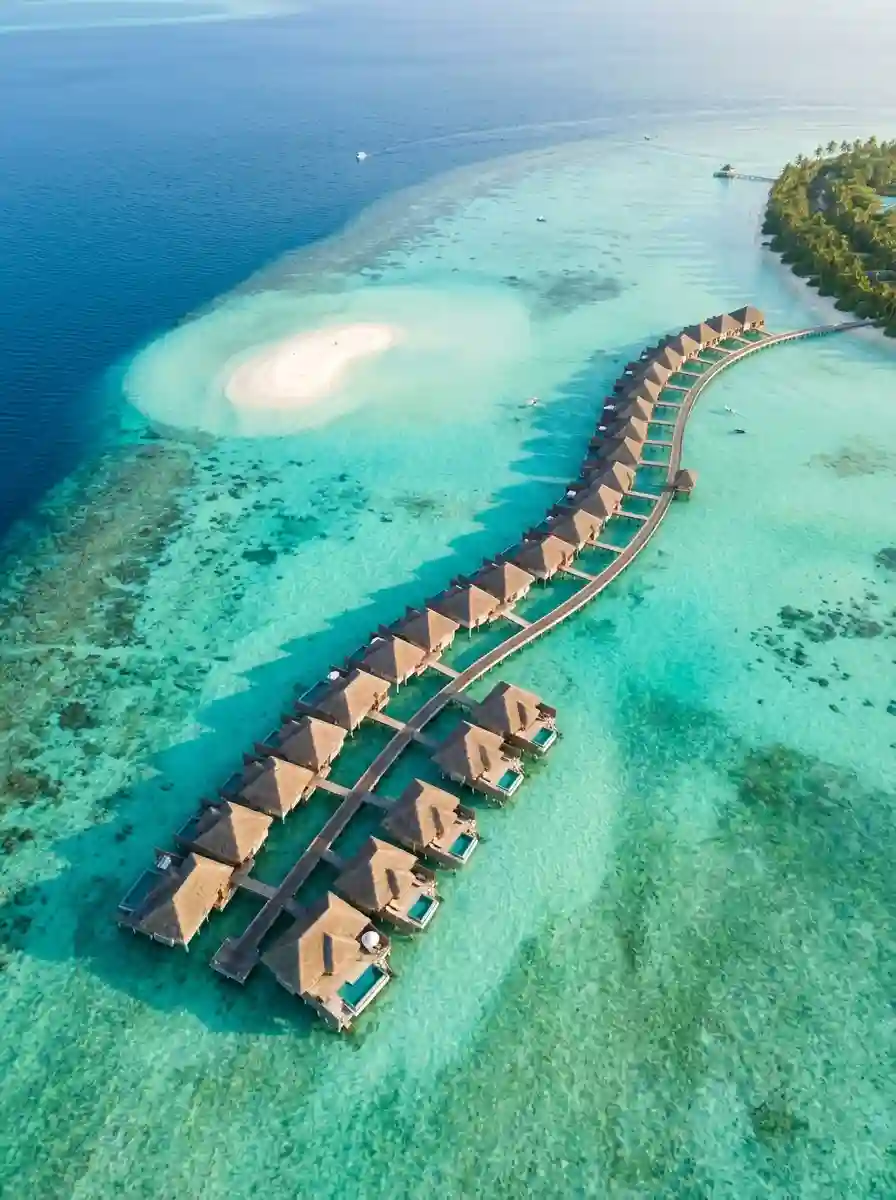
The Maldives is a scattering of low coral islands set in the Indian Ocean, and it’s the textbook definition of a place that looks unreal. Many resorts occupy their own private island, which means the experience is wonderfully isolated: you wake up, step onto a deck, and the sea is right there.
What makes it special: Crystal-clear lagoons, vibrant reefs full of fish, sea turtles, rays and, at certain spots, whale sharks and manta rays. It’s a snorkelling and diving paradise, and the pace is slow in the best way.
Best time to go: Generally November to April is the drier season with calmer seas and sunnier days, while May to October brings more rain and wind but also lower prices. Reef visibility and marine life can vary by atoll, so check the specific area.
Ideal length: Five to seven nights is the sweet spot. Shorter trips can feel rushed because transfers by speedboat or seaplane take time.
Honest tips: The Maldives has a reputation for being eye-wateringly expensive, and resorts certainly can be. However, in recent years local-island guesthouses have become popular, giving travellers a far cheaper way to experience the islands, with the trade-off that you’ll follow local customs, such as modest dress away from designated bikini beaches and no alcohol outside resorts. Always factor in transfer costs, which can be substantial, and check whether your chosen resort offers all-inclusive packages, as food and drink prices on private islands add up fast.
Perfect for: Honeymooners, divers, snorkellers and anyone who needs to do absolutely nothing for a week.
Maybe skip if: You get restless without sightseeing or you’re travelling on a tight budget and want lots of cultural variety.
3. Bali, Indonesia: The Island That Does Everything
Bali is the dream destination for people who can’t decide what they want, because it genuinely offers a bit of everything. In one trip you can wander through emerald rice terraces, watch a temple ceremony, learn to surf, eat extraordinary food, sleep in a jungle villa and finish with a beach club sunset.
What makes it special: The warmth of the people, the spiritual culture woven into daily life (you’ll see small flower offerings on pavements and doorsteps everywhere), and the sheer variety of landscapes. It also offers excellent value compared with other famous dream destinations.
Best time to go: The dry season, roughly April to October, brings the most reliable weather. The wet season, from about November to March, means humid days and heavy afternoon showers but fewer crowds and lower prices, and the landscapes are lush and green.
Ideal length: Ten to fourteen days if you want to experience different regions, for example a few nights in Ubud for culture and rice terraces, a few on the southern coast for beaches and surf, and a few on a quieter side such as Sidemen, Amed or the nearby islands.
Honest tips: The south of Bali, especially around Canggu and Seminyak, has become very busy with heavy traffic, so don’t base your whole stay there if you want calm. Hire a driver for day trips because traffic and distances can be misleading on a map. Respect temple dress codes (a sarong and sash are usually required) and be mindful of local etiquette. Choose experiences that treat animals ethically, and avoid anything involving wildlife tourism that looks like a performance.
Perfect for: Couples, solo travellers, yoga lovers, foodies, remote workers and honeymooners on a moderate budget.
Maybe skip if: You want complete peace and quiet in peak season, or you struggle with heat and humidity.
Read Must : Best Time To Visit Uruguay For An Unforgettable South American Escape
4. Kyoto and Japan: Where Tradition Still Breathes
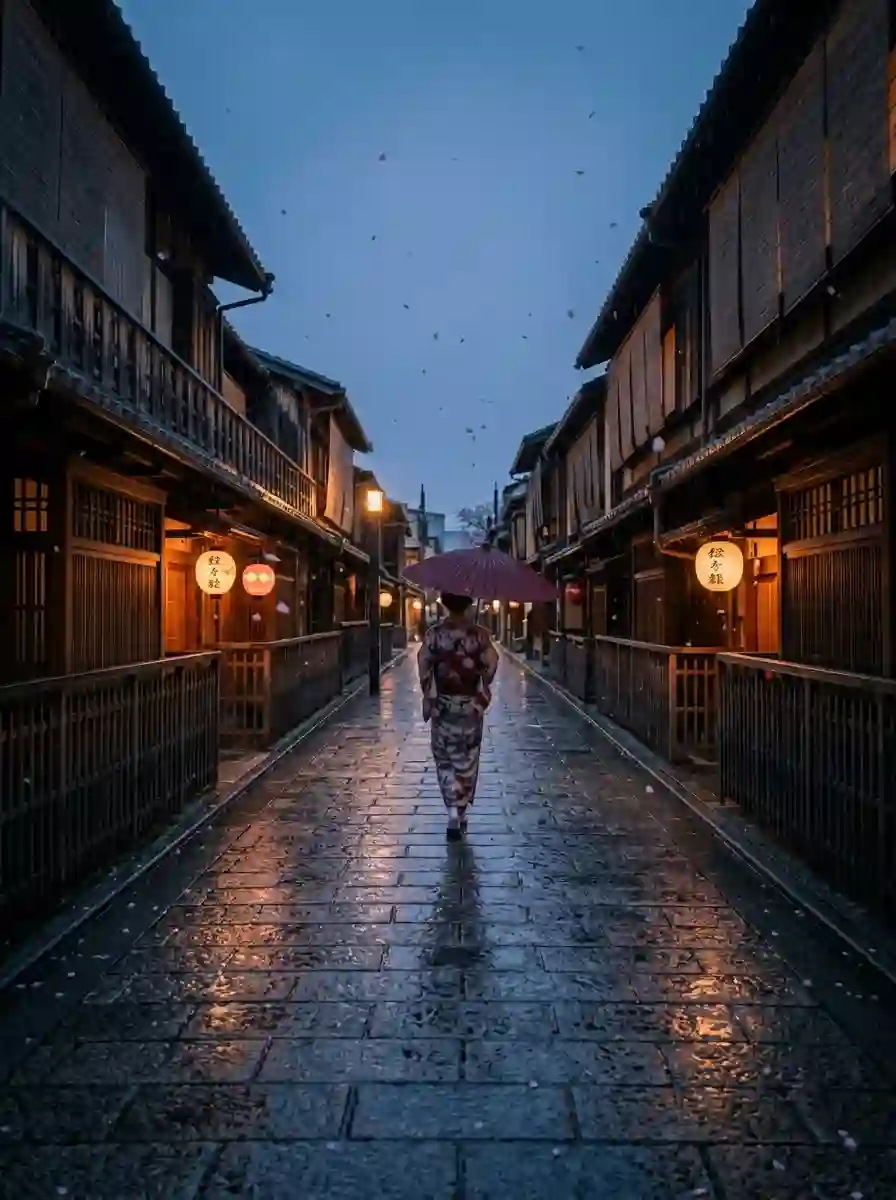
Japan has been climbing dream-destination lists for years, and Kyoto sits at the heart of the appeal. Once the imperial capital, the city holds thousands of temples and shrines, traditional wooden townhouses, tea houses, gardens and the lingering echo of geisha culture in the Gion district. But Japan as a whole, from Tokyo’s neon intensity to Osaka’s street food to the mountain villages of the Japanese Alps, offers one of the most rewarding travel experiences anywhere.
What makes it special: The contrast between ancient and ultra-modern, the extraordinary food at every price level, the politeness and efficiency, and landscapes that change dramatically with each season.
Best time to go: Spring, from late March to early April, for cherry blossoms, and autumn, around November, for red maple leaves, are the famous peaks, and they’re also the most crowded and expensive. Winter is quieter and cheaper, with the bonus of snow-dusted temples and great skiing in Hokkaido and Nagano. Summer is hot and humid.
Ideal length: Ten to fourteen days to see Tokyo, Kyoto and at least one other region comfortably. If you only have a week, focus on Tokyo and Kyoto with perhaps a day trip to Nara or Osaka.
Honest tips: Japan’s rail network is excellent, but plan your routes carefully and consider luggage forwarding services, which are cheap and reliable and let you travel with just a daypack. Get up early for famous sites in Kyoto, since crowds build quickly by mid-morning. Learn a few basic phrases and etiquette rules, such as not eating while walking in some areas and being quiet on public transport. Cash is still useful in many smaller places, though cards are increasingly accepted.
Perfect for: Foodies, culture lovers, photographers, solo travellers and first-time Asia visitors who want ease and safety.
Maybe skip if: You hate planning, as Japan rewards a little preparation, or if you want a pure beach holiday.
Read Also: Best Time to Visit Hanoi: Weather, Crowds, Festivals and the Months to Skip
A Quick Reality Check Before You Read On
Before we move to the next six destinations, it’s worth pausing on something that rarely gets said. The best trips usually aren’t to the “most famous” destination. They’re to the one that matches your needs, at a time when you can enjoy it properly.
If you read the first four entries and felt something stir at only one of them, that’s useful. If you read them and felt nothing, that’s useful too. It might mean your dream destination isn’t on a mainstream list at all. Maybe it’s a quiet fishing village in Portugal, a train journey across Canada, or a cabin in the forests of Sweden. Keep that thought as you read the rest.
People Also Ask
1. How do I figure out my dream destination?
Start with what you want to feel and do on the trip: relax, explore culture, eat well, or get outdoors. Then look at the places that match. Saving photos, articles and videos that excite you is a good way to spot patterns in what keeps pulling you in.
2. How far in advance should I start planning a dream trip?
For big international trips, start 6 to 12 months ahead. This gives you time to save, research, check visa rules and catch good flight and hotel deals. Simpler or domestic trips can be planned in 2 to 3 months.
3. How do I set a realistic budget for my dream trip?
Break the cost into flights, accommodation, food, local transport, activities, insurance and a buffer of about 10 to 15 percent. Research average daily costs for your destination, then divide the total by the months you have left to save.
4. What is the best time to book flights and hotels?
Domestic flights are usually cheapest 1 to 3 months ahead, and international flights 2 to 6 months ahead. Booking refundable hotels early locks in good rates while keeping you flexible. Price alerts help you catch drops.
5. How do I choose the right time of year to travel?
Check the weather, peak and off-peak seasons, local festivals and crowd levels. Shoulder seasons often give the best balance of good weather, lower prices and fewer tourists.
6. Should I plan every detail or leave room for spontaneity?
A mix works best. Book the essentials in advance (flights, accommodation, any must-do experiences) and leave open days for wandering, rest and unexpected discoveries.
7. What do I do if my dream destination is too expensive?
Travel in the off-season, shorten the trip, choose budget-friendly accommodation, or look at nearby alternatives with a similar feel. You can also save toward the trip with a dedicated travel fund and delay the booking until you are ready.
8. Do I need travel insurance for a dream trip?
Yes, especially for expensive or long-distance trips. It can cover cancellations, medical emergencies, lost luggage and delays. Check what is included, particularly for activities like hiking or diving.
9. How do I know when it’s time to finally book?
When you have a rough budget, flexible dates and a destination you keep returning to, it’s time. Waiting for the “perfect” moment often means never going. If prices are reasonable and your plans are clear, book it.
10. What if I’m traveling solo or with a group?
Solo travel gives full flexibility, so choose destinations known for being safe and easy to navigate. For groups, agree early on budget, pace and priorities, and assign one person to coordinate bookings to avoid confusion.