

Ask most people to picture Turkey and the same three postcards appear: hot-air balloons over Cappadocia, the domes of Istanbul’s old city, and the white terraces of Pamukkale. They are famous for good reason. They are also where the crowds, the queues and the souvenir-stall noise pile up, especially between June and September.
The Turkey that makes people book a second trip is usually somewhere quieter. It is a stone village where the tea glass arrives before you’ve asked for it. It is a ruined Greek town on a hillside with no ticket booth in sight. It is a bay where the only sound at 7 a.m. is a fishing boat engine. That Turkey exists in every region of the country, and this guide to turkey hidden gems is built to help you find it.
Below you’ll find 24 places that are genuinely underrated, grouped by region so you can plan a sensible route. For each one you’ll get what makes it special, the best time to go, how to reach it, and a practical tip that guidebooks tend to skip. After the places, you’ll find sample itineraries, honest advice on transport and budget, and answers to the questions travelers ask most
What Makes a Place One of Turkey’s Hidden Gems?
“Hidden gem” is one of the most overused phrases in travel writing, so it’s worth being clear about how it’s used here. A place made this list if it meets most of these tests:
- It rewards the detour. There is something here, whether a landscape, a piece of history, a food tradition or an atmosphere, that you cannot get at the famous sites.
- It is not on every first-time itinerary. Domestic tourists may know it well, but international package tours tend to skip it.
- It still feels local. Residents outnumber visitors for most of the year, and daily life carries on around you.
- It is reachable. A true hidden gem can be tricky to get to, but it shouldn’t need an expedition. Every entry below includes a realistic way to get there.
One honest caveat: “hidden” is relative and changes quickly. A village that was empty five years ago can fill up after a viral video. Where a place has already started to attract crowds, you’ll be told, along with when to go to avoid them.
Quick Overview: 24 Turkey Hidden Gems at a Glance
| Region | Hidden gems covered | Best for |
|---|---|---|
| Istanbul | Balat and Fener, Kuzguncuk, Heybeliada | Neighborhood wandering, food, calm escapes |
| Aegean | Bozcaada, Assos, Cunda Island, Datça and Knidos, Akyaka | Islands, ruins, slow seaside living |
| Mediterranean and Lakes | Çıralı, Kayaköy, Butterfly Valley, Kekova and Simena, Köprülü Canyon, Eğirdir | Hiking, boat trips, wild beaches |
| Central Anatolia | Soğanlı, Güzelyurt | Rock churches without the crowds |
| Black Sea | Amasra, Göynük and Mudurnu, Fırtına Valley | Green mountains, Ottoman towns, stone bridges |
| East and Southeast | Mardin and Dara, Halfeti, Nemrut Mountain, Ani, Akdamar Island | Deep history, dramatic landscapes |
When to Go and How to Use This Guide
Also Read: Best Cities to Visit in Europe: 18 Places Worth the Flight
Turkey is large, roughly the size of Texas, and its regions have very different climates. Match the season to the region and you’ll avoid most of the disappointments.
Spring (April to early June) is the best all-round window. Wildflowers cover the Aegean and Mediterranean hills, sea temperatures are still cool but the days are warm, and prices have not yet jumped to peak levels. This is the best time for hiking the Lycian Way and for visiting the Aegean villages.
Early autumn (September to October) is the second sweet spot. The sea is at its warmest, the heat has eased, and the grape and olive harvests give the western towns a festive mood. It is also a good time for the southeast, where summer temperatures can be punishing.
Summer (July and August) suits the Black Sea highlands, high-altitude spots like Eğirdir, and sea-focused trips if you accept the heat and the higher prices. Avoid Mardin, Dara and the southeast plains in midsummer, because daytime temperatures can be extreme.
Winter (December to March) is quiet and cheap on the coasts, though many seaside businesses close. It suits Istanbul’s neighborhoods, Mardin’s stone lanes and Cappadocia’s valleys under snow. Eastern Turkey, including Kars and Ani, is bitterly cold, and mountain roads such as the one to Nemrut Mountain may close.
How to use this guide: pick one or two regions rather than trying to see everything. Turkey rewards slow travel, and the transfers between regions are long. The itinerary section near the end shows how to combine neighbouring gems into trips of 7, 10 and 14 days. If you are pairing Turkey with another stop, see our round-up of the best cities to visit in Europe.
Istanbul’s Hidden Gems: Escape the Crowds Without Leaving the City
Read Also: Best Things to Do in London: 45 Unmissable Experiences
Istanbul is the entry point for most visitors, and it is easy to spend a whole trip fighting through the queues at the Hagia Sophia and the Grand Bazaar. These three places show you a calmer city. If London is on your list too, our guide to the best things to do in London covers the classics and the quiet corners.
1. Balat and Fener: Colorful Streets on the Golden Horn
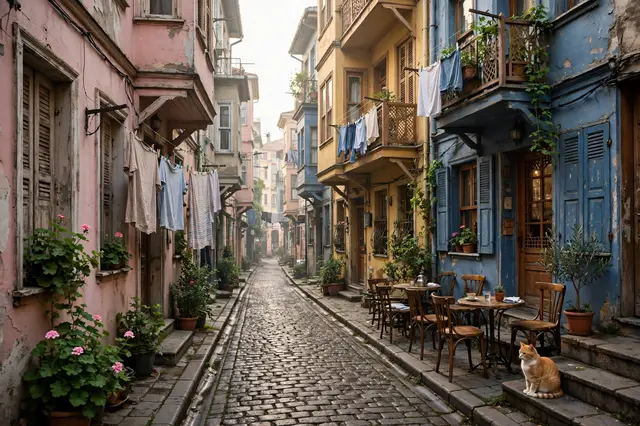
Balat and Fener sit next to each other on the Golden Horn’s western shore, and for centuries they were home to Greek, Jewish and Armenian communities. Today their steep, narrow streets are lined with tall painted houses, antique shops, tiny cafés and old churches.
Start in Fener and look for the dramatic red-brick Greek Orthodox College and the Bulgarian St. Stephen Church, known as the Iron Church because its whole structure was prefabricated in metal. Then drift uphill into Balat, where every second building seems to be a vintage shop or a café with mismatched chairs on the pavement. The Chora Church (Kariye) is a short taxi ride away and holds some of the finest Byzantine mosaics in the world; it now operates as a mosque, so check current visiting arrangements and dress modestly.
Best time to go: weekday mornings. Weekends get busy with local photographers and brunch crowds.
How to get there: a short taxi from Sultanahmet, or the ferry along the Golden Horn to Fener or Balat pier, which is far more pleasant than the road.
Insider tip: eat a long Turkish breakfast in one of Balat’s small cafés, then walk without a map. The best discoveries are the courtyards you stumble into
2. Kuzguncuk: A Village Inside the City
Cross the Bosphorus to the Asian side and you reach Kuzguncuk, a small waterfront neighborhood in Üsküdar that feels more like a village than part of a city of sixteen million people. It is known for its tolerance in an old sense: a mosque, a church, a synagogue and an Armenian church have stood side by side here for generations.
The pleasures are modest and real. Walk along the Bosphorus promenade, browse independent bookshops and ceramics studios, and stop for a simple lunch in a garden restaurant. Kuzguncuk is also home to Bostan, a community vegetable garden that has been tended by locals for decades, which tells you something about the neighborhood’s character.
Best time to go: a weekday afternoon in spring or autumn, ideally combined with a walk to the nearby Beylerbeyi Palace.
How to get there: take a ferry or the Marmaray rail line to Üsküdar, then a short taxi or bus ride along the shore.
3. Heybeliada: The Princes’ Islands Without the Crowds
Most visitors who take the ferry to the Princes’ Islands go to Büyükada, the biggest and busiest. Heybeliada, the second island, is calmer, greener and more relaxed. There are no private cars here. People walk, cycle or ride in horse-drawn carriages, and the pace of life drops the moment you step off the boat.
Walk the coastal road through pine forest, swim from the rocky coves in summer, and climb to the hilltop to see the historic Orthodox seminary building, which has been closed since 1971 but is a striking sight. Fresh fish restaurants line the harbor, and a seafood lunch with a view of the Marmara is the natural end to the day.
Best time to go: weekdays from May to October. On summer weekends the ferries fill up with Istanbulites escaping the heat.
How to get there: public ferries run from Kabataş and Bostancı. The journey takes roughly an hour from Kabataş, depending on the route and stops.
Aegean Coast Hidden Gems: Islands, Ruins and Slow Villages
Read Must: Best Places To Visit In Hawaii For An Unforgettable Island Escape You Will Never Stop Talking About
The Aegean coast is Turkey’s gentlest region: olive groves, whitewashed or stone houses, calm bays and some of the country’s best food. Resorts like Bodrum and Kuşadası take most of the traffic. The places below sit just outside that orbit.
4. Bozcaada: Vineyards and an Island Castle
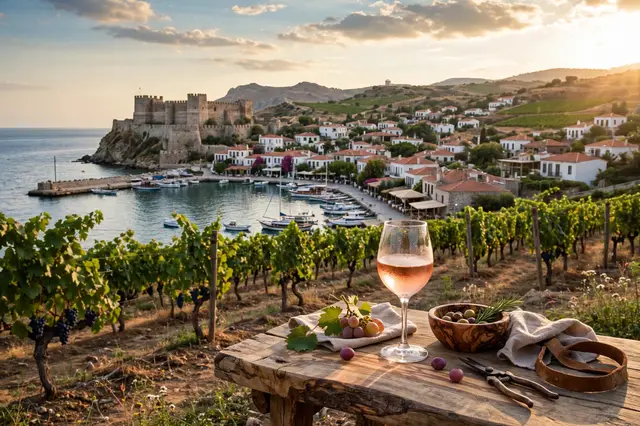
Bozcaada is a small island off the coast of Çanakkale, in the north Aegean, and one of the most charming escapes in the country. Its main town is a tidy cluster of old Greek houses beneath a well-preserved castle, with bakeries, wine bars and boutique guesthouses on the lanes around it.
The island is famous for wine and has been for thousands of years; ancient writers knew it as Tenedos. Stop at a family-run winery to taste local grape varieties, then drive or cycle to the beaches on the south and west coasts. Ayazma is a favorite, and sunset at the wind-swept western tip, near the Polente lighthouse, is worth the effort. The island’s sweet tomatoes and cheeses show up on every menu.
Best time to go: May to June, or September during the grape harvest. In August, accommodation fills fast and prices rise.
How to get there: drive or take a bus to the port at Geyikli on the mainland, then take the ferry, which takes around 30 minutes. Cars can be brought across, though you don’t really need one on a short stay.
Insider tip: book accommodation well ahead for summer weekends, and try to stay at least two nights. A day trip means rushing the best part, which is the evening
5. Assos (Behramkale): A Temple Above the Sea
On a hilltop above the Gulf of Edremit, the Doric columns of the Temple of Athena frame a view that rivals anything in Greece. Assos, whose Turkish name is Behramkale, was once home to the philosopher Aristotle, who is said to have taught here for several years.
Below the acropolis, a village of old stone houses tumbles down to a tiny harbor lined with seafood restaurants. On the way you’ll pass the Hüdavendigar Mosque, a rare 14th-century Ottoman structure, and an arched stone bridge. Visit the temple early or late in the day, when the stone glows and the tour groups have gone.
Best time to go: late afternoon in spring or autumn, with dinner at the harbor.
How to get there: drive from Çanakkale or Ayvacık. Local dolmuş minibuses connect nearby towns, though schedules are limited outside summer.
6. Cunda Island (Alibey): Olive Oil, Sunsets and Greek Heritage
Cunda is connected to the mainland town of Ayvalık by a short causeway, which makes it easy to reach and yet surprisingly peaceful. The island’s old town is full of two-storey stone houses left behind after the population exchange of the 1920s, many of them now converted into small hotels and restaurants.
The sunset here is famous, and the best way to enjoy it is with a plate of fresh mezes and a glass of rakı or white wine on a waterfront terrace. Ayvalık’s surrounding region is one of Turkey’s top olive-growing areas, and olive oil soap and fresh tapenade make good souvenirs. Don’t miss the Taksiyarhis Church, a former Greek Orthodox church that has been restored and is open to visitors.
Best time to go: May to June and September. Weekdays are far quieter than weekends.
How to get there: the closest major airport is Edremit or İzmir; Ayvalık is roughly a two-hour drive from İzmir. From Ayvalık, take a short taxi or boat to Cunda.
7. Datça and Knidos: The End of the Peninsula
The Datça Peninsula stretches for about 100 kilometers into the sea between the Aegean and the Mediterranean, and the long winding road that leads to it keeps the crowds away. That is the whole point. At the end of the road lie almond groves, olive terraces, empty bays and a handful of low-key villages.
First stop is Old Datça, a small village of stone houses with bougainvillea over every doorway. Then continue to the very tip of the peninsula, where the ruins of the ancient city of Knidos sit above two harbors. Knidos was famous in antiquity for a statue of Aphrodite by the sculptor Praxiteles, and the site’s theater, temple foundations and sea views make it one of the most atmospheric ruins on the coast. In February, the almond trees bloom pink and white, and local festivals celebrate the season.
Best time to go: April to June, or the February almond blossom for a quiet, scenic trip.
How to get there: drive from Marmaris or take a bus to Datça town. Ferries also run from Bodrum, which is a scenic way to arrive.
Insider tip: the road narrows and twists in places. Allow more time than the map suggests, and fill the tank before the final stretch.
8. Akyaka: Scandinavian-Style Houses and an Ice-Cold River
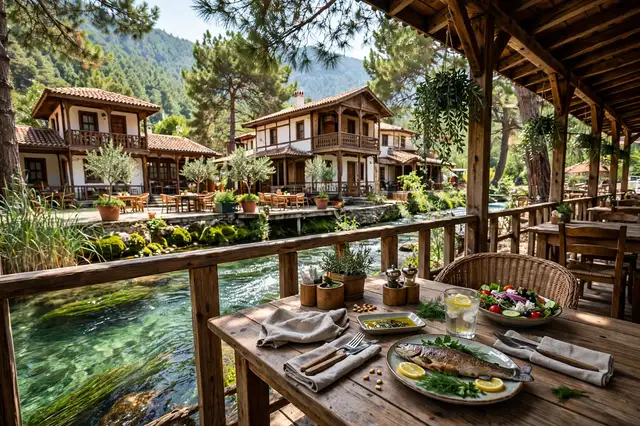
Akyaka sits at the head of Gökova Bay in Muğla Province, with pine-clad mountains behind it and a calm, shallow bay in front. What sets it apart is its architecture: dozens of wooden-and-stone houses with sloping roofs, designed in a regional style by the Turkish architect Nail Çakırhan, whose work earned an Aga Khan Award for Architecture. The effect is a village that looks like a cross between a Black Sea hamlet and a Nordic fishing town.
The Azmak River runs through town, fed by cold springs, and riverside restaurants serve fresh trout and grilled sea bass. The bay’s steady afternoon breeze makes it popular for kitesurfing, while a short drive away you can walk up to Akyaka’s Kadın Azmak or swim at the Gökova beaches.
Best time to go: May to October.
How to get there: drive or take a bus from Marmaris, Muğla or Bodrum airport, roughly 1 to 1.5 hours
Mediterranean and Lakes Hidden Gems: Wild Beaches, Canyons and Lycian Trails
Also Read: 35 Best Things to Do in Chicago (A Complete Guide for First-Timers and Repeat Visitors)
Turkey’s southwest and south coast is where the Lycian civilization left tombs in cliffs, where the sea is startlingly clear and where long-distance hikers follow the Lycian Way, a waymarked trail of roughly 540 kilometers between Fethiye and Antalya. You don’t have to hike it to enjoy the region, but it explains why so many of these places remain quiet: they are reached by track, boat or footpath. For island-hopping inspiration further afield, see the best places to visit in Hawaii.
9. Çıralı and the Chimaera Flames
Çıralı is a long pebble beach backed by orange groves and pine forest, a few kilometers from the better-known backpacker haunt of Olympos. There is no high-rise and no strip of nightclubs. Instead there are small family pensions, bungalows hidden among the trees, and a beach where loggerhead turtles nest in summer, which is why lighting and activity are limited at night.
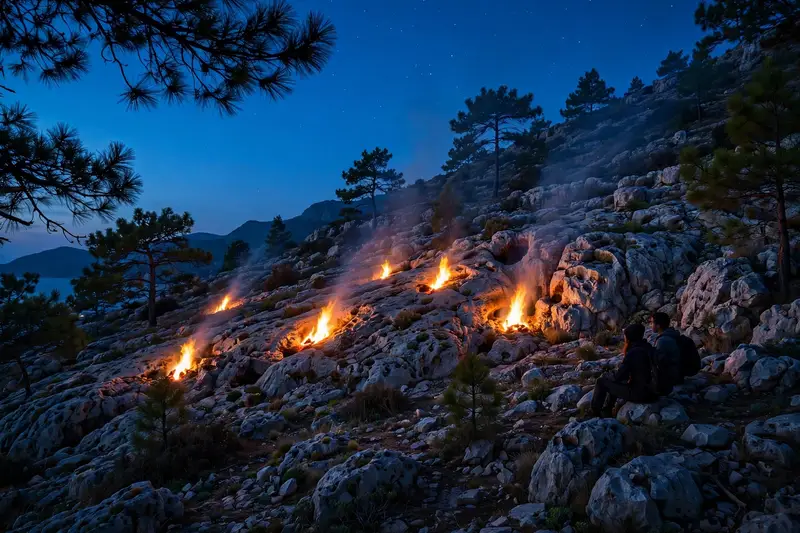
The highlight is the Chimaera, or Yanartaş, a hillside where natural gas seeps through the rock and burns in small flames that have been alight for thousands of years. Climb up after dark with a flashlight, bring something to roast, and sit among the fires with the stars above. By day, walk to the ruins of ancient Olympos or follow a section of the Lycian Way along the coast.
Best time to go: April to June and September to October.
How to get there: take a bus to the Olympos or Kumluca junction from Antalya, then a local minibus or taxi to Çıralı.
Insider tip: wear sturdy shoes for the Chimaera path, which is steep and rocky. Respect turtle nesting areas and keep off roped-off sections of the beach
10. Kayaköy: The Ghost Village Above Fethiye
Kayaköy, once called Levissi, was a prosperous Greek village of several thousand people until the population exchange between Greece and Turkey in 1923. After the residents left, the houses slowly emptied, and a major earthquake in 1957 made them unsafe. Today more than 500 roofless stone houses still stand on the hillside, quiet and haunting.
Walk the cobbled lanes, step into the two ruined churches and look down the valley toward the sea. Unlike many heritage sites, Kayaköy has a human softness: you notice stairs worn by generations of feet, window frames where flowerpots once stood. Nearby, small cafés serve fresh ayran and gözleme to hikers.
Best time to go: early morning or late afternoon. Midday in summer is hot and shadeless.
How to get there: minibuses from Fethiye run frequently, and the trip takes around 20 minutes. You can also walk the old path to Ölüdeniz.
11. Butterfly Valley: A Cliff-Locked Cove
Butterfly Valley is a narrow beach cove enclosed by steep cliffs near Ölüdeniz, reachable mainly by boat. A waterfall tumbles down the valley wall, and in summer the area is home to Jersey tiger moths and butterflies that give the place its name.
The usual way to visit is by a small boat from Ölüdeniz, which takes about 20 to 30 minutes. A few basic camping and bungalow options exist for those who want to stay the night. The adventurous can reach the valley by a steep trail from the clifftop village of Faralya, but the route has fixed ropes in places and is not for everyone.
Best time to go: late May to September for swimming; early in the day to avoid boat-tour crowds.
How to get there: boat from Ölüdeniz beach, or hike or drive to Faralya and take the footpath down.
Insider tip: if you want solitude, stay overnight. When the last day boat leaves, the valley becomes a different place.
12. Kekova and Simena: A Sunken City You Visit by Boat
Off the coast between Kas and Demre, Kekova Island shelters the remains of a Lycian city that was partly submerged after earthquakes centuries ago. From a small boat you can glide over staircases, walls and building foundations lying beneath the clear water.
The nearby village of Simena (Kaleöy) can only be reached by sea, which keeps it small and quiet. A fortress crowns the hill above, with a tiny amphitheater and Lycian sarcophagi tilted at odd angles along the shore. Üçağız is the base for most boat trips, and a day out typically includes swimming stops and lunch on board.
Best time to go: May to June or September.
How to get there: take a dolmuş or drive to Üçağız from Kas or Demre, then join a boat tour or hire a sea kayak. Swimming over the archaeological remains is restricted, so follow the guide’s advice.
13. Köprülü Canyon and Selge: Rafting and an Ancient Mountain City
Inland from Antalya, in the Taurus Mountains, Köprülü Canyon National Park is a deep gorge carved by the Koprü River, popular with rafters in spring and early summer. Pine forest, rock walls and a Roman-era stone bridge, known as the Oluk Bridge, make this one of the most scenic drives in the region.
Continue up the road to Selge, an ancient mountain town set among stands of cypress and a small modern village. The ruins include a large theater, Roman-era buildings and temple remains, many of them half-hidden in the trees, and almost nobody visits. Local women sell home-made jam and dried fruit by the roadside.
Best time to go: April to June for rafting; autumn for quiet hiking.
How to get there: rent a car from Antalya (about 2 hours), or book a tour from Antalya or Side if you prefer not to drive the mountain road.
14. Eğirdir: A Lakeside Town With an Island Causeway
Eğirdir lies on the shore of a huge freshwater lake in the Lakes District, ringed by mountains and orchards. A Seljuk-era caravanserai and castle sit on a narrow peninsula that juts into the water, and a long causeway reaches a small island with a few lakeside restaurants.
The town is known for its apples and freshwater fish, and the surrounding landscape is excellent for cycling, hiking and kayaking. It is also the gateway to the St. Paul Trail, a long-distance walking route that follows the footsteps of the apostle Paul across the Taurus. Nearby Kovada Lake National Park is smaller and wilder, with forest paths and wildlife.
Best time to go: May to October; the lake area cools off in the evening even in midsummer.
How to get there: by bus from Antalya or Isparta; the nearest airport is Isparta Süleyman Demirel.
Central Anatolia Hidden Gems: Rock Churches Without the Crowds
Cappadocia is on every itinerary, which makes the main valleys busy at sunrise and sunset. The region is big, though, and its quieter corners are among the most rewarding places in Turkey.
15. Soğanlı Valley: Painted Churches and Empty Trails
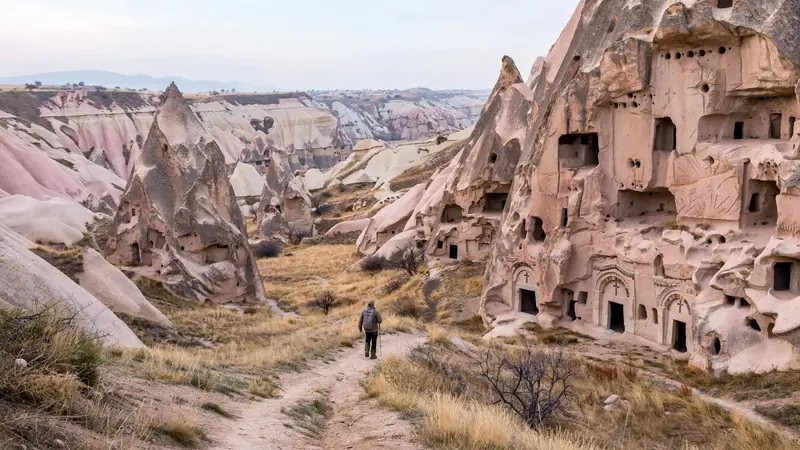
Soğanlı lies south of the main Cappadocia circuit, in a valley of cone-shaped rocks and rock-cut churches that are far less visited than the open-air museum at Göreme. Dozens of Byzantine chapels, many with surviving frescoes, are carved into the cliffs, and you can climb between them along a small dirt path, often without seeing another traveler.
The valley is also a good place to meet village life: local women sell hand-made dolls and embroidery, and there are a handful of family-run guesthouses and restaurants. Allow a half day, bring water and decent shoes, and take a flashlight for the darker church interiors.
Best time to go: April to June and September to October.
How to get there: drive from Nevşehir or Kayseri, or take a guided day trip. Public transport is limited
16. Güzelyurt: Monasteries and Underground Cities Beyond the Tour Route
Güzelyurt is a small town in Aksaray Province near the Ihlara Valley, and its old stone houses, Greek-era churches and valley monasteries give it a character quite different from the tourist-oriented villages around Göreme. The Monastery Valley (Manastır Vadisi) offers a pleasant walk beside rock-cut dwellings, while the town’s underground city is much quieter than the large complex at Derinkuyu.
Stay in a restored stone house, eat home-style Anatolian food, and let the pace slow. Güzelyurt is also a convenient base for the Ihlara Valley, a green canyon with rock-cut churches that follows a river for several kilometers.
Best time to go: spring and autumn.
How to get there: drive or take a bus to Aksaray, then a local minibus to Güzelyurt.
Black Sea Hidden Gems: Green Mountains, Ottoman Towns and Stone Bridges
The Black Sea coast is the country’s greenest region, with misty mountains, tea terraces and wooden villages. It also rains often, so pack accordingly. The reward is a part of Turkey that feels remote from the beach resorts.
17. Amasra: A Small Harbor Town on a Double Bay
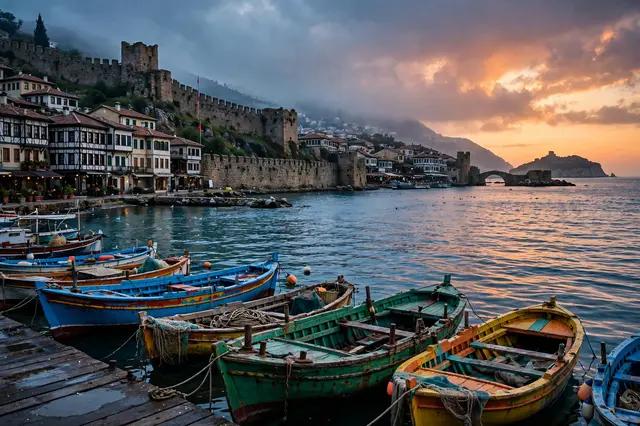
Amasra occupies a rocky peninsula that divides the shore into two harbors, with a Byzantine-Genoese castle at its center and a small bazaar of craft shops winding up the lanes. The old town has Roman bridges, narrow streets and weathered stone buildings, while the surrounding coast offers viewpoints and coves reached by short walks.
Food is a highlight. Try fresh anchovies, grilled fish and the local Amasra salad, a hearty mix topped with walnuts and pomegranate sauce. Because the town is a popular weekend escape for Turks, it is busiest on holiday weekends, but on weekdays outside summer it is peaceful.
Best time to go: May to June and September.
How to get there: drive or take a bus from Istanbul or Ankara to Bartın, then continue to Amasra (the trip from either city takes several hours)
18. Göynük and Mudurnu: Ottoman Towns in the Hills
West of Ankara and not far from Bolu, Göynük and Mudurnu are two small towns where Ottoman wooden houses still line the streets. Both are part of the Cittaslow “slow city” movement, which prizes local food, tradition and a relaxed pace.
Walk the hillside lanes, browse the little craft shops, and sit in a garden café beside an old fountain. Both towns are known for sweets, including regional specialties made with honey and nuts. They also sit near forested national parks, such as Yedigöller, which is stunning when the leaves turn in autumn.
Best time to go: October for colors; spring for blossom.
How to get there: by car from Ankara or Istanbul in about three hours; buses connect via Bolu.
19. Fırtına Valley and Çamlıhemşin: Rivers, Stone Bridges and Highland Meadows
In the Kaçkar Mountains of Rize Province, the Fırtına River runs through a steep, forested valley crossed by graceful Ottoman-era stone bridges. The villages around Çamlıhemşin keep a mountain culture of timber houses, cheese, honey and corn bread.
White-water rafting runs on the river in spring and early summer, and hiking trails reach highland plateaus (yayla) where herders move their flocks in summer. Ayder Plateau has hot springs and busy guesthouses; for something calmer, look at the less-developed plateaus further up the valley.
Best time to go: June to September.
How to get there: fly to Trabzon or Rize-Artvin airport, then take a minibus to Çamlıhemşin. Roads are narrow and weather can change quickly.
Boğaz Village
Boğaz Village is in the Safranbolu region. The best time to visit is spring and autumn. To get there, take a bus to Safranbolu, then a taxi.
East and Southeast Hidden Gems: Ancient Stones, Sunken Villages and Borderland Ruins
Eastern and southeastern Turkey hold some of the oldest and most extraordinary heritage sites in the world, and they see a fraction of the visitors who go to the west. Distances are long, so use domestic flights to link regions. Check your government’s current travel advice and local conditions for the provinces you plan to visit, particularly those near the borders and the areas affected by the February 2023 earthquakes, and confirm opening hours and road access before you travel.
20. Mardin and Dara: A Stone City Above the Mesopotamian Plain
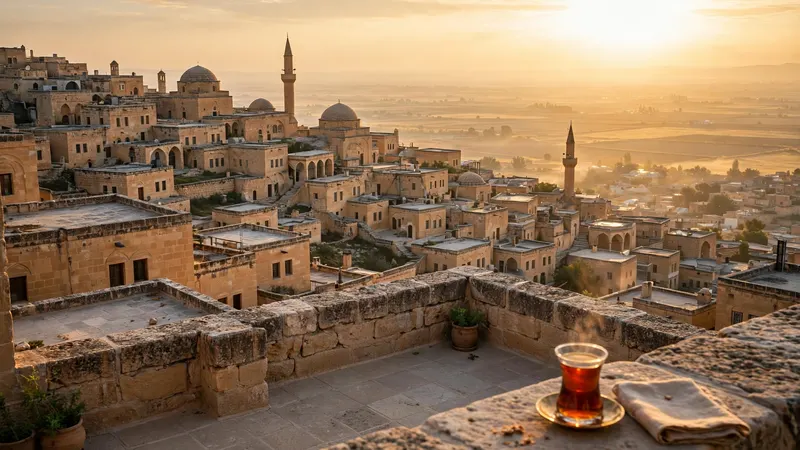
Mardin climbs a rocky hill above the northern edge of the Mesopotamian plain, its honey-colored stone houses stacked in terraces so that one family’s roof is another’s courtyard. The city has been home to Arabs, Kurds, Syriacs, Armenians and Turks for centuries, and you can hear several languages in the bazaar.
Wander the covered market, visit the Zinciriye Medresesi for its carved portals and views, and drive a few kilometers to Deyrulzafaran Monastery, long the seat of the Syriac Orthodox patriarchs. Food is a highlight, with dishes such as kübbe, spiced lamb and the local almond-based sweets. For ancient history, take a day trip to Dara, a ruined Byzantine frontier city with rock-cut tombs, cisterns and an underground complex, and to Midyat and the Mor Gabriel Monastery in the Tur Abdin region.
Best time to go: March to May and October to November. Avoid midsummer, when daytime heat can be intense.
How to get there: fly to Mardin Airport, or take a bus or flight to Diyarbakır or Şanlıurfa and continue by road.
Insider tip: go up to the old castle area early in the morning for light over the plain, then rest through the heat of the day and return for the evening
21. Halfeti: The Half-Sunken Village on the Euphrates
Halfeti is a riverside town in Şanlıurfa Province whose lower half was flooded when the Birecik Dam raised the waters of the Euphrates. The result is one of the strangest scenes in Turkey: a minaret rising from the river, abandoned stone houses below the water line and boats gliding where streets used to be.
Take a boat trip along the canyon to Rumkale, a dramatic fortress on a rocky outcrop at the meeting point of two rivers, and stop for fresh fish at floating restaurants on the way back. Halfeti was also known for its rare dark-purple roses, though they have become scarce, so enjoy them as a bonus if you find them rather than a promise.
Best time to go: spring and autumn.
How to get there: drive or take a bus from Şanlıurfa or Gaziantep (around 1.5 to 2 hours). Combine it with a visit to Göbekli Tepe, the Neolithic hilltop site near Şanlıurfa that is around 11,000 years old and one of the most important archaeological discoveries of the modern era.
22. Nemrut Mountain: Giant Stone Heads at Sunrise
On a summit about 2,100 meters high in Adıyaman Province, King Antiochus I of Commagene built a tomb-sanctuary in the first century BCE and ringed it with colossal statues of gods and himself. Over the centuries earthquakes toppled the heads, which now sit on the ground in rows, staring toward the horizon. The site is on UNESCO’s World Heritage list.
Sunrise and sunset are the classic times to visit, when the light turns the statues gold and the surrounding mountains seem to float on a sea of cloud. The last stretch is a short uphill walk from the car park. Also worth seeing in the area are the Roman bridge at Cendere and the Arsameia ruins.
Best time to go: from late spring to early autumn. Mountain roads can be closed by snow in winter, and the sunrise can be cold even in summer, so bring layers.
How to get there: base yourself in Kahta or Adıyaman, and book a transfer or tour for sunrise. Public transport to the summit is limited.
23. Ani: The Medieval Ghost City on the Armenian Border
Ani was once the capital of an Armenian kingdom and a thriving trade hub with a huge population, praised for its many churches. Today it is an open, wind-swept plateau above a river gorge, scattered with ruined cathedrals, churches and a mosque, with the border with Armenia visible across the valley. It was inscribed as a UNESCO World Heritage Site in 2016.
The red-and-black stone churches, with faded frescoes and delicate carved facades, are some of the finest medieval Armenian architecture surviving anywhere. Allow at least half a day, wear sun protection, and bring water, because there is little shade or shelter.
The nearby city of Kars, with its Russian-era stone buildings, honey and aged cheese, makes a good base. For a memorable journey, take the scenic Eastern Express train from Ankara, which is popular with train lovers for its snowy winter views.
Best time to go: May to October. Winters are severe, with heavy snow and extreme cold.
How to get there: fly or take the train to Kars, then a taxi or tour to Ani, roughly 45 kilometers away.
24. Akdamar Island: A Tenth-Century Church in Lake Van
In the middle of Lake Van, Turkey’s largest lake, a small island holds the Church of the Holy Cross, built in the early tenth century by an Armenian king. Its outer walls are covered in carved biblical scenes, which are remarkable for their clarity and range.
A short boat trip from the shore near Gevas takes you across the blue-green water, and the island is a pleasant place to walk, with almond trees that bloom in spring. Back in the city of Van, don’t skip the famous Van-style breakfast, a feast of local cheese, honey, clotted cream and herbs, and look out for the city’s well-known white cats.
Best time to go: May to September.
How to get there: fly to Van, then take a taxi or minibus to the Akdamar harbor and a boat to the island.
Sample Itineraries for Turkey’s Hidden Gems
Read Also: Best Holiday Destinations: 20 Places Worth Booking a Flight For
These itineraries link neighboring gems so you spend your time exploring rather than in transit. Adjust them to the season and to your pace. If you want a city break after the coast, our Chicago guide rounds up 35 best things to do in Chicago.
7 Days: Istanbul and the North Aegean
- Days 1 to 2: Istanbul. Spend a morning in Balat and Fener, then cross to Kuzguncuk for lunch and a Bosphorus walk.
- Day 3: Travel to Çanakkale or Geyikli and take the ferry to Bozcaada. Stay two nights.
- Day 5: Drive to Assos for the temple and the harbor dinner.
- Days 6 to 7: Ayvalık and Cunda Island. Fly home from Edremit or İzmir.
10 Days: Aegean and Mediterranean Coast
- Days 1 to 2: Akyaka and the Gökova Bay.
- Days 3 to 4: Datça, Old Datça and Knidos.
- Days 5 to 6: Fethiye. Visit Kayaköy and take a boat to Butterfly Valley.
- Days 7 to 8: Kaş area and a boat day to Kekova and Simena.
- Days 9 to 10: Çıralı and the Chimaera, then fly home from Antalya.
14 Days: Anatolia and the East
- Days 1 to 2: Istanbul.
- Days 3 to 5: Cappadocia, including Soğanlı and Güzelyurt.
- Days 6 to 7: Fly to Mardin. Explore the old town, Dara and Midyat.
- Days 8 to 9: Şanlıurfa, Göbekli Tepe and Halfeti.
- Day 10: Nemrut Mountain at sunrise.
- Days 11 to 13: Fly to Kars and visit Ani, or to Van for Akdamar Island.
- Day 14: Return flight via Istanbul or Ankara.
Practical Tips for Visiting Turkey’s Hidden Gems
Read Must: Fun Places to Travel: 17 Unforgettable Destinations Worth Every Mile
Getting Around
Turkey has an excellent long-distance bus network, with comfortable coaches from companies such as Metro Turizm, Kamil Koç and Pamukkale Turizm linking most cities. For small villages, the last leg is often a dolmuş, a shared minibus that leaves when full. Schedules thin out in winter and on weekends, so ask locally the day before. Domestic flights save huge time on east-west journeys, and the high-speed rail network covers some routes.
A rental car gives the most freedom, particularly for Köprülü Canyon, Datça, Soğanlı and the Black Sea highlands. Turkey drives on the right, main roads are generally good, but mountain and village roads can be narrow and slow. Overtaking on two-lane roads can be aggressive, so drive defensively and avoid night driving in rural areas.
Where to Stay
Small family-run pensions (pansiyon) and boutique stone houses offer far more character than chain hotels, and the owner often doubles as your guide. In the Aegean, restored Greek houses are a speciality. In Mardin and Safranbolu-style towns, look for konaks, historic mansions turned into small hotels. Book ahead for school holidays, public holidays and summer weekends, because the best places in tiny villages have very few rooms.
Money and Costs
The currency is the Turkish lira, and prices have changed quickly in recent years, so check current costs before you finalize a budget instead of relying on older articles. Cards are widely accepted in towns, but carry cash for villages, dolmuş rides and small family cafés. Hidden gems are often better value than the famous resorts, with meals, guesthouses and local transport costing noticeably less than in Istanbul or Bodrum.
Culture and Etiquette
- Greetings and tea: accept the tea. Refusing a second glass is easy; refusing the first can feel cold.
- Dress: cover your shoulders and knees, and bring a scarf for women entering mosques. Remove your shoes at the door.
- Photography: ask before photographing people, particularly women and children.
- Bargaining: expected in bazaars, not in restaurants or supermarkets. Keep it friendly.
- Tipping: around 10 percent in restaurants is common when service is not already included.
- Language: English is common in coastal resorts but less so in rural areas. Learn a few phrases: merhaba (hello), teşekkür ederim (thank you), lütfen (please).
Entry Requirements and Safety
Entry rules depend on your nationality, and they can change. Check the official Turkish e-Visa website and your government’s travel advice shortly before departure. Turkey is generally welcoming to visitors, but plan with care: avoid areas your government advises against, respect earthquake-zone guidance, and carry travel insurance that covers hiking or boating activities if you plan them. Never swim in unfamiliar places on rough days, and always wear sun protection. For official travel information, see the GoTürkiye tourism website.
Travel Responsibly in Turkey’s Hidden Places
The reason these places stay special is that they are small. A few habits help keep them that way:
- Stay in locally owned guesthouses and eat in local restaurants.
- Buy crafts, olive oil, honey and wine directly from the producer.
- Take your trash with you from beaches and trails, and avoid disturbing turtle nests at Çıralı and İztuzu.
- Keep to marked paths at archaeological sites. Never remove stones or pottery.
- Visit in the shoulder seasons so tourism income reaches communities year-round.
Final Thoughts: The Best Way to Find Turkey’s Hidden Gems
The most valuable thing about turkey hidden gems is not the list of names. It’s the way of traveling they invite: slow, curious, willing to take the dolmuş without being sure where it stops, to sit on a plastic stool and eat the dish the grandmother recommends. Start with a region that fits your season, give each place at least two nights, and leave space for the unplanned stop.
Whether you begin with the colorful lanes of Balat, the quiet vineyards of Bozcaada, the burning hillside at Çıralı or the ancient stone heads of Nemrut, you’ll come home with something the famous sights rarely give: the sense of having discovered a place for yourself.
Frequently Asked Questions
1. What are the best hidden gems in Turkey?
Some of the best are Bozcaada, Assos, Cunda Island and Datça on the Aegean; Çıralı, Kayaköy and Kekova on the Mediterranean; Soğanlı and Güzelyurt in Central Anatolia; Amasra and the Fırtına Valley on the Black Sea; and Mardin, Nemrut Mountain and Ani in the east. Your best pick depends on whether you prefer coast, culture or mountains.
2. When is the best time to visit Turkey’s hidden gems?
Spring (April to early June) and early autumn (September to October) offer mild weather, fewer crowds and better prices. Summer suits the Black Sea highlands and lakes, while Mardin and the southeast are best in spring or late autumn. Winter works for Istanbul and cultural towns but closes many coastal businesses.
3. Are Turkey’s hidden gems safe for tourists?
Most are very safe and welcoming, particularly the Aegean and Mediterranean villages and western towns. For eastern and southeastern provinces, check your government’s latest travel advice, avoid restricted border zones and confirm local conditions before you go. Use common sense, as you would anywhere, and buy travel insurance.
4. How many days do I need to see Turkey’s hidden gems?
Seven days is enough for one region, such as Istanbul and the north Aegean. Ten days lets you cover the Aegean and Mediterranean coast, and two weeks allows a cross-country route to Central Anatolia and the east. Avoid cramming too much; two nights per base is a good minimum.
5. Do I need to rent a car to reach hidden gems in Turkey?
Not always. Buses and dolmuşes reach most towns, and boats serve island and coastal spots. A car does help for Köprülü Canyon, Datça, Soğanlı and the Black Sea highlands, where public transport is limited. If you prefer not to drive, guided day tours fill the gap.
6. Are Turkey’s hidden gems cheaper than popular destinations?
Generally yes. Smaller towns tend to have cheaper food, guesthouses and transport than Istanbul, Bodrum or Cappadocia’s main hotels. Island destinations like Bozcaada can be pricey in peak season, though, so visit in the shoulder months for better value.
7. Which hidden gems in Turkey are best for families?
Heybeliada, Cunda Island, Akyaka, Eğirdir and Çıralı suit families because they combine calm beaches or gentle walks with simple facilities. Boat trips to Kekova and Butterfly Valley are fun for children who can swim, while Güzelyurt and Soğanlı appeal to curious older kids.
8. Which hidden gems are best for history and archaeology lovers?
Assos, Knidos, Selge, Dara, Nemrut Mountain, Ani, Akdamar Island and Göbekli Tepe offer extraordinary heritage, from Greek and Roman ruins to Commagene sanctuaries and medieval Armenian churches.