
There’s a moment, usually around the first week of November, when summer travel photos start to feel like they belong to someone else’s life. The sun sets before five. Your commute is dark both ways. And somewhere in the back of your head a small voice says, what if I just left?
Listen to it. Europe in winter is one of the best-kept secrets in travel, and it’s only a secret because most people assume the continent shuts down once the leaves fall. It doesn’t. It changes costume. Squares that were packed with selfie sticks in July turn into candlelit markets that smell of cinnamon and roasted chestnuts. Alpine villages that look pleasant in summer become the kind of place you’d put on a Christmas card. The northern sky does things in January that no postcard has ever managed to capture. And the museums, cafés and thermal baths that fill up in peak season suddenly have room for you to breathe.
Also Read : Best Places to Go for Christmas: 20+ Spots Worth Booking a Flight For
This guide is about the best Europe winter destinations for different kinds of travelers: the ones chasing the northern lights, the ones who want a proper ski week, the ones who’d rather wander a Christmas market with a mug of mulled wine, and the ones who simply want to escape the cold altogether and find somewhere that stays mild. I’ve grouped them by what they’re actually good at, added practical notes on timing, costs and getting around, and tried to be honest about the downsides too, because every destination has them.
A quick note on how to read this. You don’t need to do everything. Pick the one or two places that made your shoulders drop when you read the name, and build from there.
Why Winter Is Actually a Brilliant Time to Visit Europe
Let’s start with the obvious objection: it’s cold. Yes. It is. But cold is only a problem if you’re underdressed, and the rewards for tolerating it are bigger than most people expect.
Fewer crowds, better prices. Outside of Christmas week, the Alpine ski season peaks and a handful of famous markets, winter is low season for much of the continent. Hotels in cities like Prague, Budapest, Vienna and Lisbon often cost a third less than they do in summer. Flights are cheaper. Restaurants will actually give you the table you want. You can stand in front of a painting at the Kunsthistorisches Museum in Vienna or the Rijksmuseum in Amsterdam without someone’s elbow in your ribs. For budget travellers, Europe winter destinations in January and February offer the best value of the year.
Things that only exist in winter. The aurora borealis over Lapland and northern Norway. Glacier caves in Iceland that are only safe to enter between roughly November and March. Christmas markets, which go back centuries in Germany, Austria and Alsace. Hogmanay in Edinburgh. Thermal baths steaming in freezing air. Ski runs in the Dolomites with espresso stops that would put most big-city cafés to shame. None of this is available in July, no matter how much you pay.
A different mood. Winter slows places down. People sit longer in cafés. Evenings feel like an event rather than an afterthought. There’s a Scandinavian idea, hygge in Denmark and mys in Sweden, that the dark months are for warmth, candles, good food and people you like. Once you’ve experienced it in a place that actually does it well, you start to see why northern Europeans don’t spend the entire winter complaining.
Golden light. Photographers know this one. The low winter sun gives a long, soft, golden light that makes even a basic phone camera look good. Fog on a river in Prague at 8 a.m. is basically a film set.
The honest downsides? Days are short, particularly in the north. Some attractions in smaller towns close from November to March. Weather can disrupt flights and trains, especially in Alpine regions. And if you’re hoping for café terraces and long evening strolls in shirtsleeves, winter in central Europe is not your season. Plan around that, and you’ll be fine.
How to Choose the Right Winter Destination
Before we get into specific places, it helps to be clear about what kind of trip you actually want. Most winter travel in Europe falls into five rough categories.
- Northern lights and Arctic adventure. Lapland (Finland), Tromsø (Norway), northern Sweden and Iceland. Expect real cold, long nights, and activities like husky sledding, snowmobiling and reindeer rides.
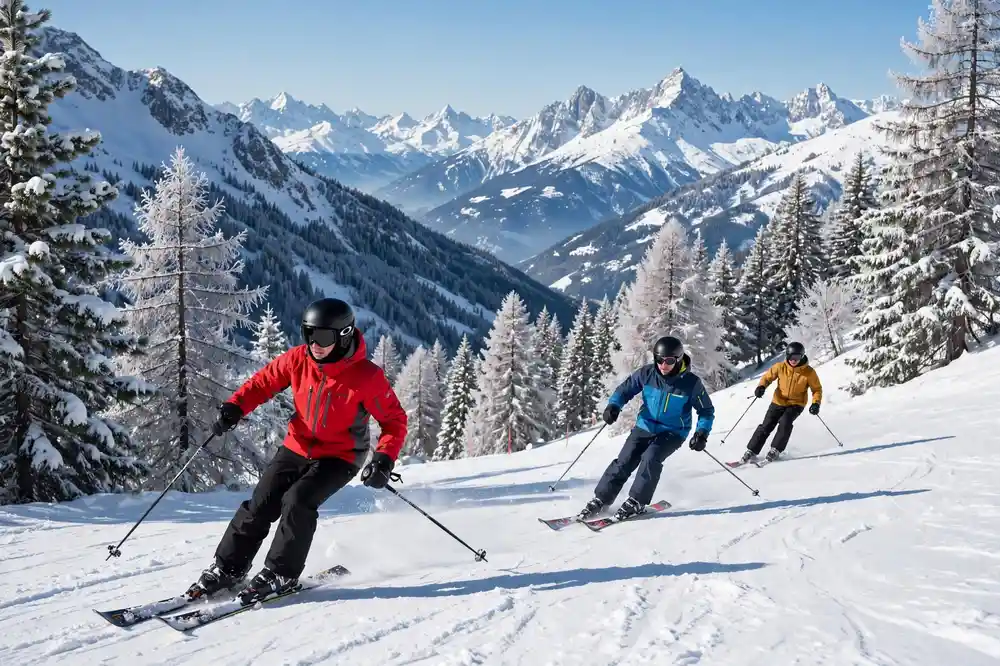
- Skiing and snowboarding. The Austrian, Swiss, French, Italian and German Alps, plus the Dolomites and the Pyrenees. Ranges from budget-friendly to eye-wateringly expensive.
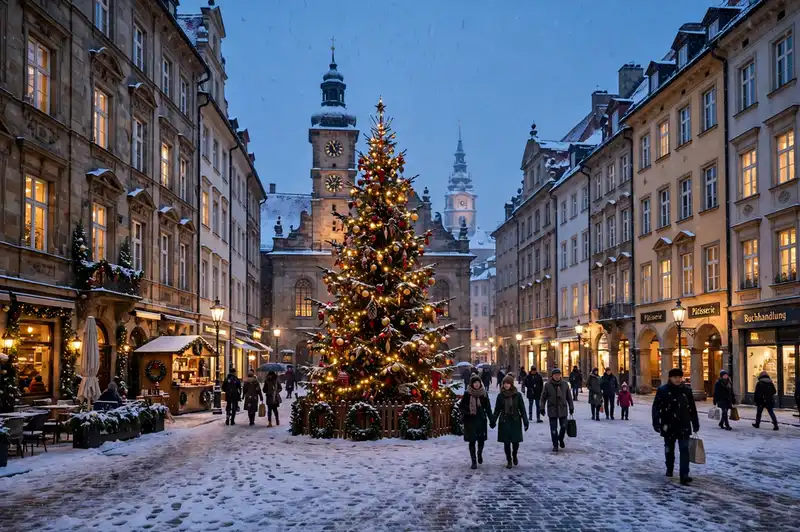
- Christmas markets and festive city breaks. Germany, Austria, Alsace in France, the Czech Republic, Hungary, the Baltics and Denmark. Mostly late November to December 23 or so.
- Cozy culture and city escapes. Vienna, Budapest, Copenhagen, Edinburgh, Prague. Museums, coffeehouses, thermal baths and good food, with fewer crowds.
- Winter sun. Lisbon, Seville, Malta, Madeira and southern Sicily, where temperatures hover in the low-to-mid teens (°C) and sometimes higher.
You can combine them. A week that starts in Vienna’s coffeehouses and ends in a mountain village near Salzburg is easy by train. A long weekend in Tromsø followed by a few nights in Oslo works well too. Just don’t try to cram in four countries over six days. Winter travel is slower by nature, partly because of daylight and partly because the whole point is to sit still with a hot drink. That slower pace is part of what makes Europe winter destinations so rewarding.
The Best Europe Winter Destinations for the Northern Lights and Arctic Magic
Finnish Lapland: Santa, Huskies and a Sky That Behaves Like a Movie
If you grew up believing in Father Christmas, Finnish Lapland will feel like finding out the story was true after all. Rovaniemi, the capital of Lapland and the official hometown of Santa Claus, sits almost exactly on the Arctic Circle. The famous Santa Claus Village has a line painted across the ground so you can step from one hemisphere’s climate zone to another, which is gloriously silly and absolutely worth doing.
But Lapland is much bigger than one village. Further north you’ll find Levi, Ylläs, Saariselkä and Inari, each with a different personality. Levi is the most developed, a proper ski resort with restaurants, gondolas and a lively evening scene. Ylläs is calmer, with long, forgiving slopes and excellent cross-country trails. Saariselkä and Inari lean into wilderness, with national parks, Sámi culture and some of the darkest, clearest skies in Europe.
Read Must : Best Christmas Destinations in USA: 22 Magical Places to Spend the Holidays
What to do: Husky sledding is the headline act, and it really is as good as it sounds, partly because the dogs are so wildly excited to run that the energy is contagious. Reindeer sleigh rides are gentler. Snowmobile safaris are loud and thrilling. Snowshoeing through frozen forest is quiet in a way that city people forget exists. Many travelers also book a night in a glass igloo or aurora cabin, where you can watch the sky from bed. The Finnish tradition of sauna followed by a roll in the snow isn’t a gimmick. It’s a normal Tuesday for locals, and it feels remarkable.
Northern lights odds: Auroras are driven by solar activity, so nobody can guarantee them. But Lapland sits right in the auroral oval, and on clear nights between roughly late August and early April your chances are strong. Most tour operators recommend at least three or four nights to give yourself a few attempts. Clouds are the real enemy, not the cold.
Best time: Early December for Christmas atmosphere and snow that’s usually reliable by then. January and February are the coldest, often −15°C to −30°C, but also the clearest. March is lighter, a little warmer, and great for combining skiing with aurora hunting.
Getting there: Rovaniemi has its own airport with flights via Helsinki and a few direct seasonal services from other European cities. The overnight Santa Claus Express train from Helsinki is a charming alternative if you like a bunk bed and a slow arrival.
Honest warning: December is expensive and sells out early. If you want Christmas week in Lapland, book months ahead.
Tromsø, Norway: The Arctic City That Actually Feels Like a City
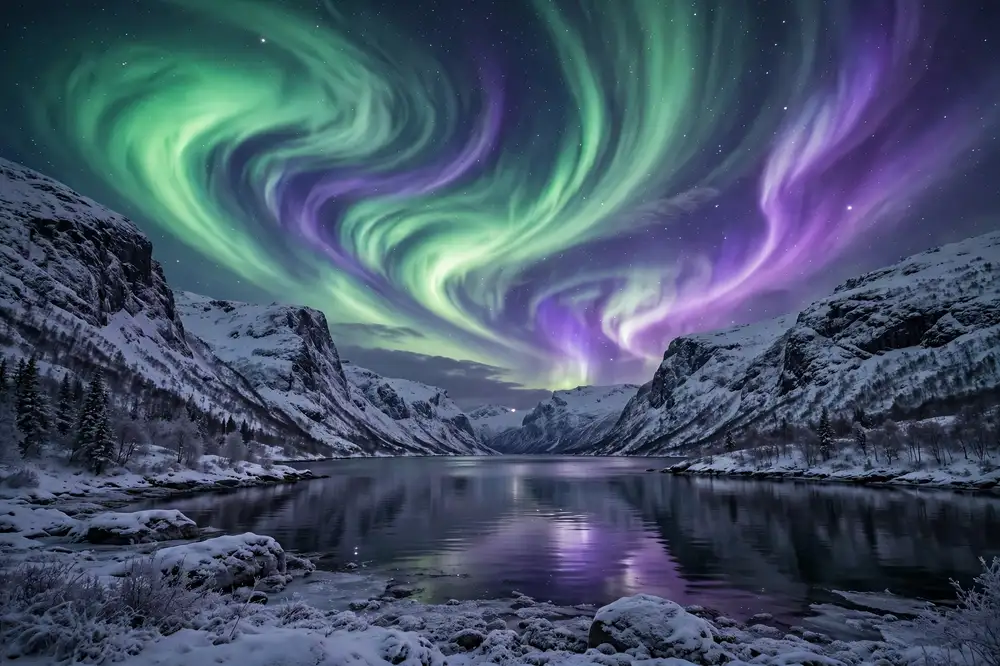
Tromsø is a good option if you want northern lights without giving up urban comforts. It sits at about 69.6°N, well inside the Arctic Circle, on an island connected to the mainland by bridge. Around 70,000 people live here, which makes it big enough to have decent restaurants, craft beer bars, a university, a notable cathedral (the Arctic Cathedral, with its striking white geometry) and a cable car, Fjellheisen, that lifts you to a viewpoint over the whole city.
The polar night runs from late November to mid-January, when the sun doesn’t rise above the horizon. In practice, you get several hours of blue, twilight-style light around midday, which is quietly beautiful rather than gloomy. By late January the sun starts creeping back, and by February the days are growing fast.
What to do: Aurora chasing is the obvious draw. Tromsø’s operators run bus, minivan and small-group tours that drive out toward clearer skies, often into Finland or deeper into the fjords. Whale watching is another surprise winter highlight, with orcas and humpbacks following herring into the fjords between roughly November and January. Dog sledding, reindeer camps with Sámi hosts, fjord cruises and snowshoe hikes round things out. Back in town, the Polar Museum, the Polaria aquarium and the cozy cafés along Storgata and the harbor are good places to warm up.
Budget reality: Norway is not cheap. Expect high prices for restaurants and alcohol. Tours can cost a lot too. Self-catering helps, and many travelers book a longer stay but fewer paid activities.
Best time: Late September to late March for aurora, with the deep dark of December and January giving the best odds for long viewing windows. February and early March add more daylight and often more stable weather.
Iceland: The Wild Card That Delivers
Iceland sits slightly outside the “classic Europe” conversation in some people’s minds, but it’s firmly part of the European winter travel scene, and honestly one of the most rewarding. It’s also easy to reach, with direct flights from many European capitals and North America.
Reykjavik is a small, colorful, creative capital. In winter it’s all about warm swimming pools (Icelanders take their geothermal pools extremely seriously), live music, bakeries and the huge concrete-and-glass Harpa concert hall. Then you head out of town. The Golden Circle gets you to Þingvellir National Park, where you can see the rift between the North American and Eurasian tectonic plates, the Geysir geothermal area and the thundering Gullfoss waterfall, which sometimes looks half-frozen in January. The south coast brings Seljalandsfoss, Skógafoss, the black sands of Reynisfjara and the town of Vík.
Winter exclusives: Ice caves inside the Vatnajökull glacier are accessible only in winter. Guided tours in places like Jökulsárlón and Skaftafell take you into blue, translucent tunnels that look nothing like the rest of the planet. Snowmobiling on glaciers, northern lights tours, and dips in places like the Sky Lagoon, Blue Lagoon, Secret Lagoon and Mývatn Nature Baths while snow falls around you are all part of the winter menu.
Important safety note: Icelandic weather is serious. Roads can close at short notice, and reliable local forecasts and road-condition sites are essential. Never ignore warning signs at Reynisfjara beach, where sneaker waves have caught visitors off guard. If you’re renting a car in winter, consider a 4×4 and be realistic about driving distances in a short daylight window.
Daylight: In December you get around four to five hours. It sounds limiting, but most travelers plan one main sightseeing block a day and treat the rest as hot-pool, dinner and aurora time.
The Best Winter Destinations in Europe for Skiing and Snow Villages
Austria: Where Skiing Meets Strudel
Austria does winter extremely well. The country has a deep culture around mountains and Gemütlichkeit, that untranslatable word for warm, comfortable, unhurried coziness. If you want a ski holiday that feels traditional, welcoming and well organized, it’s hard to beat.
Tirol: The classic region. Innsbruck is a good base for travelers who want a real city and slopes in one trip, because lifts leave from the edge of town. Kitzbühel is famous for the Hahnenkamm downhill race and for a glamorous, wood-paneled atmosphere. St. Anton am Arlberg is the choice for strong skiers and après-ski enthusiasts. Sölden has reliable snow thanks to its glacier.
Also Read : Best Cities to Visit in Belgium: A Traveler’s Honest Guide to the Best Places
Salzburgerland: Zell am See, Kaprun and Saalbach-Hinterglemm offer huge, interconnected ski areas, plus easy access to Salzburg itself. And Salzburg deserves its own mention in winter. The Altstadt, a UNESCO World Heritage Site, sits under the hilltop fortress of Hohensalzburg, and the Christmas markets in the Domplatz and around Residenzplatz make the whole historic center smell like gingerbread and mulled wine. Mozart’s birthplace, the Getreidegasse and the sound of Advent brass music from church towers add a layer of atmosphere that doesn’t need much help from the weather.
Vienna: Not a ski destination, but possibly the best city in the world for a winter trip. The Rathausplatz Christkindlmarkt is the biggest-name market, but the ones at Schönbrunn Palace, the Belvedere and Spittelberg are often more charming. Add the Vienna State Opera, a slice of Sachertorte in a historic coffeehouse (Café Central, Café Sperl, Demel), a ride on the Riesenrad and an evening at a Heuriger wine tavern, and you’ve got the makings of a flawless long weekend.
Hallstatt: The lakeside village in the Salzkammergut region looks like it was drawn by someone who’d never had a bad day. In summer it’s swamped. In winter, under snow, with fewer coaches, it’s still busy but far more atmospheric. Go early or stay overnight.
Costs and logistics: Austria offers a wide range, from budget-friendly family guesthouses to five-star spa resorts. Lift passes are generally cheaper than in some famous Swiss or French resorts. Trains from Munich, Vienna and Zurich reach most main areas, and many resorts run free ski buses.
Best time: Mid-December to late March for skiing, with the most reliable snow in January and February. For markets, late November through December 23 or 24.
Switzerland: Spectacular, Spotless and Expensive
Switzerland is the kind of place that makes you quietly rearrange your priorities. The scenery is almost aggressive in its beauty, trains leave to the minute, and even a gas station looks well designed. You’ll pay for it, but you’ll also feel the value if you plan well.
Zermatt: The car-free village below the Matterhorn is one of the most iconic mountain scenes anywhere. You arrive by train from Täsch, and the streets are filled with electric taxis and the sound of cowbells in warmer seasons. In winter, you can ski almost year-round at high altitude, and walk or take a cog railway to the Gornergrat viewpoint for sweeping glacier views even if you don’t ski at all.
St. Moritz: The original winter resort, with a long history of luxury, a frozen lake that hosts polo and horse racing, and a reputation for expensive hotels. It’s not for everyone, but the light in the Engadin valley is superb, and there’s plenty of cross-country skiing and sledding for people who aren’t there for the glitter.
Lucerne: A good non-skiing option. The medieval Chapel Bridge and Water Tower are lovely in winter, the lake reflects the mountains, and a day trip up Mount Pilatus or Rigi is easy. The city’s Christmas markets are on the smaller side but charming.
Interlaken, Grindelwald and Wengen: The Bernese Oberland is home to the Eiger, Mönch and Jungfrau peaks. A train up to the Jungfraujoch, the “Top of Europe,” on a clear day is something people remember for years. Grindelwald and Wengen are traditional ski villages with spectacular views.
The Glacier Express: A slow train between Zermatt and St. Moritz, passing over viaducts and through tunnels with panoramic windows. In winter it’s more like riding through a snow globe. Yes, it’s touristy. Yes, it’s also very good.
Tip: The Swiss Travel Pass covers trains, buses, many boats and lots of museums, and for people who plan to move around it often pays for itself. Winter hiking trails are well signposted and groomed. Be realistic about budgets, though. A simple dinner for two can easily cost more than a nice meal in Vienna or Budapest.
The Dolomites, Italy: Skiing With Better Coffee
The Dolomites are a different animal from the western Alps. The peaks are pale, jagged and almost theatrical, and at sunset they glow pink and orange in a phenomenon the locals call enrosadira. The region is part of South Tyrol and Trentino, which means you’ll hear Italian, German and Ladin, and see menus where a plate of canederli (bread dumplings) sits beside a plate of pasta.
Where to base yourself: Val Gardena (Ortisei, Selva, Santa Cristina) and Alta Badia (Corvara, La Villa, San Cassiano) are the best-known ski areas, both linked to the Dolomiti Superski network, which covers more than a dozen valleys on a single pass. The Sellaronda, a ski circuit around the Sella massif, is a bucket-list day for intermediate skiers. Cortina d’Ampezzo has a glamorous reputation and is co-hosting the 2026 Winter Olympics, which has brought new investment and, inevitably, higher prices. Bolzano is a lovely, low-key city base with a well-regarded Christmas market and the Museo Archeologico, home to Ötzi the Iceman.
Why people love it: The food. Mountain huts serve proper lunches with white tablecloths, local wine and a strudel that makes you consider skipping the afternoon’s skiing. It’s the one ski region in Europe where lunch is as much of an event as the slopes.
Non-skiers: Snowshoe hikes, sleigh rides, spa hotels and the Seiser Alm plateau, Europe’s largest high-altitude meadow, which is gorgeous under snow.
The Best Europe Winter Destinations for Christmas Markets and Festive City Breaks
Prague, Czech Republic: Fairytale Streets Without the Fairytale Prices
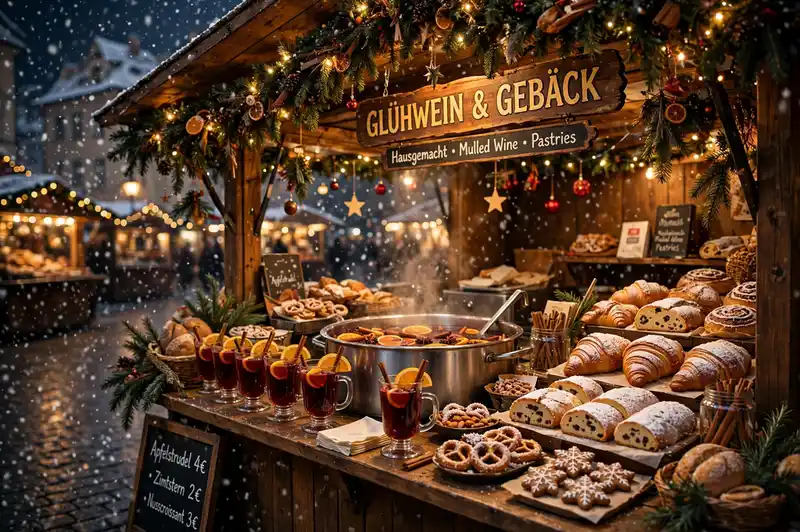
Prague is one of those cities that looks like it was built to be visited in the cold. The Old Town Square is ringed with Gothic spires and baroque facades, and from late November it hosts one of Europe’s most photographed Christmas markets, with a towering tree, wooden stalls and the astronomical clock chiming on the hour. Wenceslas Square and the Prague Castle district also hold smaller markets, and the castle itself, with St. Vitus Cathedral, looks like a stage set in frosty light.
What to do: Walk across Charles Bridge early in the morning, before the crowds, when mist drifts off the Vltava River and the statues look half-asleep. Climb to Petřín Hill for a view over red rooftops. Wander through the Lesser Town (Malá Strana) and the Jewish Quarter. Then head to a traditional pub for svíčková (beef in cream sauce with dumplings) and a pint of Pilsner Urquell or a Kozel, which costs less than a bottle of water in some Western capitals. Try trdelník, the chimney cake sold on every corner, though locals will tell you it’s more tourist tradition than Czech classic, and medovina (hot mead) or svařák (mulled wine) at the markets.
Costs: Prague is far kinder to a budget than Vienna, Zurich or Copenhagen. Good hotels, great beer, decent meals and public transport are all affordable.
Tip: Avoid Christmas week if you hate crowds. The first half of December, or the weeks right after New Year, are quieter and cheaper.
Read Also : Turkey Hidden Gems: 24 Underrated Places Beyond Istanbul and Cappadocia
Budapest, Hungary: Steam, Ruin Bars and the Danube at Night
Budapest might be the most underrated winter city in Europe. It’s actually two cities, Buda and Pest, on opposite banks of the Danube, and in winter the river steams, the bridges light up, and the thermal baths become the best reason on the continent to want to be cold.
The baths: Széchenyi is the big yellow neo-baroque complex in City Park, where locals play chess in the hot pools while snow falls on their heads. Gellért has a gorgeous Art Nouveau interior. Rudas, dating back to the Ottoman era, has a rooftop pool with views across the Danube. You don’t need to be a spa person. After a day of walking in freezing air, soaking in 38°C water is one of those simple pleasures that justifies the whole trip.
Other highlights: The Hungarian Parliament Building, glowing at night, is breathtaking from the river. The Fisherman’s Bastion and Matthias Church on Castle Hill, the Great Market Hall for paprika and lángos (fried dough with sour cream and cheese), and the Christmas market on Vörösmarty Square all earn their place. At night, the ruin bars of the Jewish Quarter, such as Szimpla Kert, offer an eccentric, slightly chaotic evening in repurposed courtyards.
Costs: Budapest is a bargain by Western European standards, even if prices have climbed in recent years.
Alsace, France: Strasbourg and Colmar, the Christmas Capital Region
Alsace is where France meets Germany, and the culture, architecture and food show it. Strasbourg bills itself as the Capital of Christmas, with a market that has run since 1570 and a giant tree in Place Kléber. The whole city center, from the Gothic cathedral to the half-timbered houses of Petite France, is decorated with such dedication that it can feel slightly over the top in the best way.
Colmar, about an hour south, is smaller, and arguably prettier, with pastel houses leaning over canals in the “Little Venice” district. Between them lie wine villages like Riquewihr, Eguisheim and Kaysersberg, which make fine day trips by car or train.
What to eat: Tarte flambée (a thin, crispy, onion-and-bacon pizza-ish thing), choucroute garnie, bredele cookies, and Alsatian white wines, especially Riesling and Gewurztraminer. Gingerbread is serious business here.
Tip: Go on a weekday if possible. Weekend evenings at Strasbourg’s market are packed to the point of shuffling.
Copenhagen, Denmark: Hygge, Tivoli and Pastry-Fueled Wandering
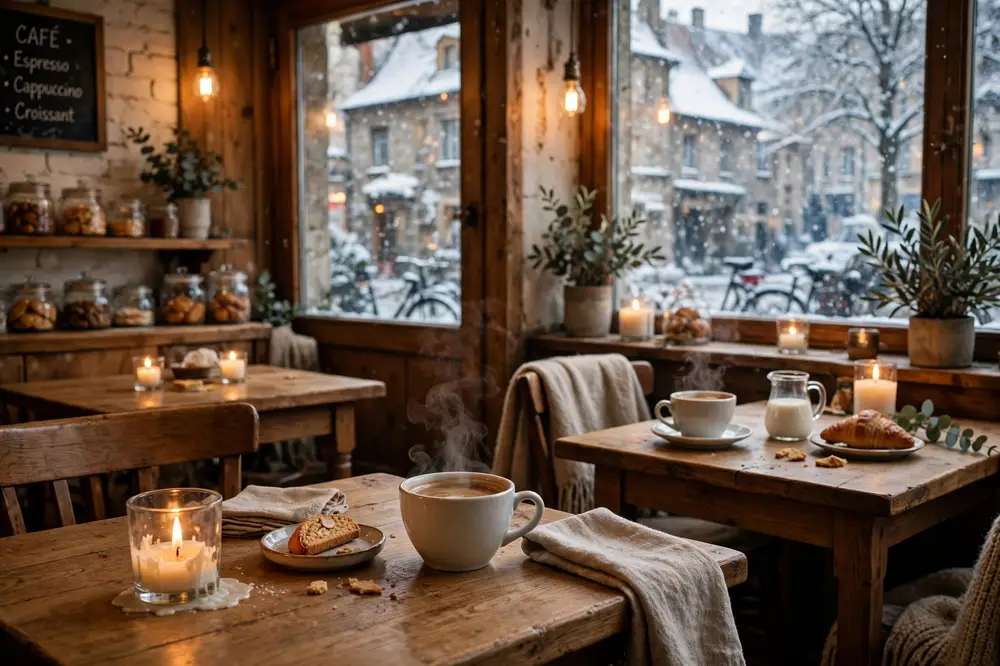
Copenhagen is the best place in Europe to understand what hygge actually means, and it’s less about candles than you’d think. It’s about making ordinary moments feel warm and unhurried: a good coffee, a pastry, friends, soft light.
Tivoli Gardens, the amusement park in the middle of the city, transforms for Christmas with lights, markets, rides and fireworks. Nyhavn, the colorful waterfront, is touristy but pretty, and the Round Tower, Rosenborg Castle and Christiansborg Palace all work well on cold days. The city’s food scene is world-famous, from fine dining to casual bakeries. Look for kanelsnegle (cinnamon swirls) and smørrebrød (open sandwiches). In the evenings, a canal-side cocktail bar or a candlelit wine bar is a better plan than any attraction.
Costs: High. Scandinavian prices apply, so budget for it.
Edinburgh, Scotland: Hogmanay and Moody Beauty
Edinburgh in winter is atmospheric in a way that suits the city’s gothic skyline. Edinburgh Castle looms over the Old Town, the Royal Mile is lined with whisky shops and tartan, and a climb up Arthur’s Seat on a clear winter morning rewards you with a view across the Firth of Forth.
The city is best known for Hogmanay, the Scottish New Year celebration, which includes a huge street party, a torchlight procession and fireworks over the castle. It’s a major event and tickets for the main street party sell out, so plan well ahead. If crowds aren’t your thing, a quieter option is simply to enjoy a pub with a fire and a dram of whisky. Edinburgh’s Christmas market in East Princes Street Gardens, with a Ferris wheel and ice rink, sits beneath the castle in a very photogenic spot.
Weather: Damp, windy and often grey. Pack a proper waterproof and don’t let it put you off. The city looks great in moody light.
The Baltics: Tallinn and Riga on a Budget
Tallinn’s Old Town is one of the best-preserved medieval centers in northern Europe, and in December it looks absurdly picturesque. The Christmas market on Town Hall Square has a long-standing claim to featuring one of the first public Christmas trees in Europe, back in the 15th century, and the claim is part of the city’s pride. Add snowy rooftops, a hilltop viewpoint at Toompea, a handful of excellent restaurants and some of the most reasonable prices in the EU’s northern edge, and you’ve got a charming winter city break.
Riga, in Latvia, has a lovely Old Town, one of the largest collections of Art Nouveau buildings in the world, and a warm, local Christmas market. Vilnius, in Lithuania, is another underrated gem with baroque churches and a creative, youthful atmosphere. All three are easy to link by bus.
The Best Winter Sun Destinations in Europe
Not everyone wants snow. If your idea of winter travel is leaving the cold behind, southern Europe has quiet, mild and surprisingly sunny options.
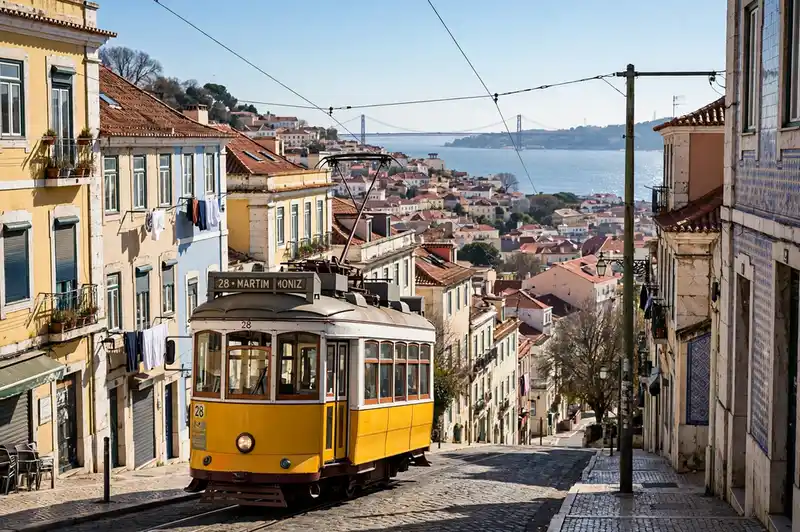
Lisbon, Portugal: Daytime highs hover around 14–16°C in winter, with decent sunshine and some rain. Tram 28, the hills of Alfama, pastéis de nata, fado music and the riverside neighborhoods work year-round, and crowds are far smaller. Day trips to Sintra, Cascais and the coast are easy. Bring a jacket, but you won’t need a parka.
Seville, Spain: Andalusia in winter is pleasantly cool, with sunny days and cold nights. The Alcázar, the cathedral and the Plaza de España are less overwhelming than in July’s heat, and orange trees along the streets are in fruit. Tapas bars are lively and cheap.
Malta: Valletta and the Three Cities offer history, harbors and mild weather, usually around 15–18°C. It’s quieter than summer, and the limestone architecture glows in low sunlight.
Madeira, Portugal: The “island of eternal spring” has pleasant temperatures year-round, spectacular levada walks and a famous New Year’s Eve fireworks show over Funchal.
Sicily, Italy: Palermo, Syracuse and the Valley of the Temples at Agrigento are far more comfortable in winter than during the baking summer. Almond trees can begin blooming in late winter, and the food is outstanding.
Practical Tips for Planning Your Winter Trip to Europe
Timing. If you want Christmas markets, aim for the last week of November through about December 22. If you want to ski, mid-January to mid-March has the best snow and fewer holiday crowds. If you want northern lights, September to March, with February and early March offering a good mix of darkness and daylight. Avoid peak holiday weeks (Christmas to New Year) unless you’re booking early and prepared to pay.
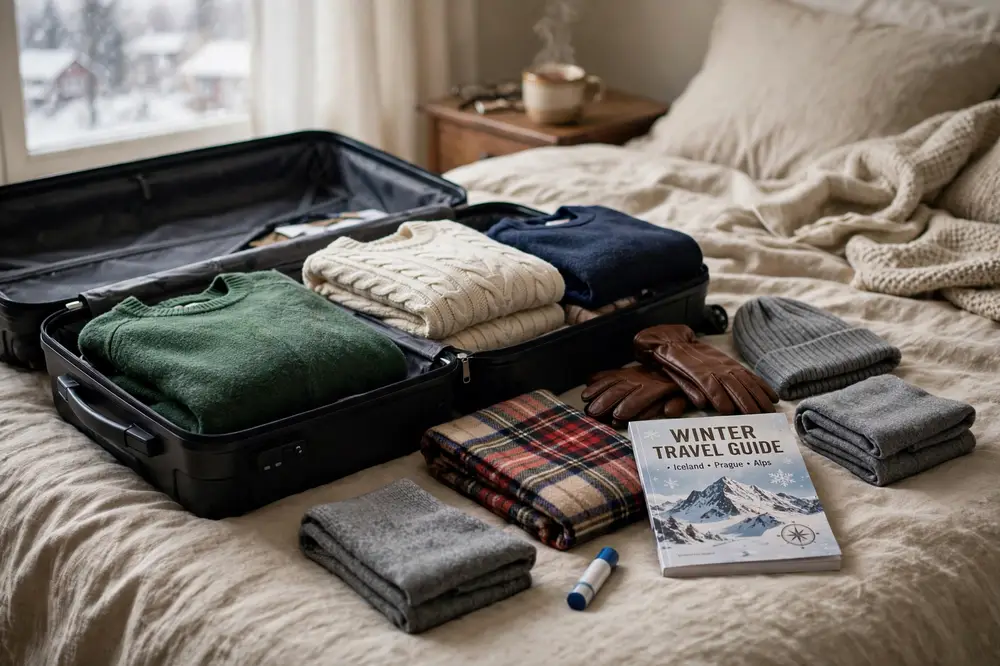
Layering is everything. The golden rule of winter travel is not one big coat, but several thin layers: a thermal base layer (merino wool works wonderfully), a fleece or wool mid-layer, and a windproof, waterproof outer shell. Add a hat, gloves, warm socks and sturdy boots with grip. In the Arctic, you’ll want insulated boots and thermal outerwear, and many tour operators in Lapland and Tromsø provide suits as part of the experience.
Transport. Trains are your best friend. Europe’s rail network is excellent in winter, and routes like Vienna–Salzburg, Prague–Vienna, Zurich–Lucerne or Munich–Innsbruck are comfortable and scenic. Flights can be affected by snow, so allow buffer time if you have connections. If you’re driving, check winter tire and snow chain rules: they’re legally required in some countries and regions, such as Austria and parts of Italy and France, during certain months.
Read Must : Most Overrated Cities in the World (2026): 12 Places That Rarely Live Up to the Hype
Daylight planning. In northern destinations, you’ll get only a few hours of sun. Plan outdoor activities for the lighter hours and keep evenings for dinner, baths or aurora chasing.
Book smart. Markets and cities are flexible, but ski chalets, Lapland activities and Hogmanay tickets sell early. Book accommodation for popular dates three to six months ahead. For shoulder periods, you can often find last-minute bargains.
Budget guide. Rough nightly hotel costs for a mid-range double in winter vary a lot, but as a general feel: Budapest, Prague, Tallinn and Riga are the most affordable; Vienna, Lisbon, Edinburgh and Strasbourg are mid-range; Copenhagen, Zurich, Tromsø and major Alpine resorts are expensive. Eating at lunchtime specials, buying groceries, and using city transport cards all help.
Travel insurance. For skiing, winter sports or remote destinations, check that your policy covers the specific activities and medical evacuation. It’s boring advice, and it’s the kind that matters when something goes wrong.
Respect the weather. Check forecasts daily in mountains and the Arctic. Avalanche warnings, storms and road closures are real, and local guides know best.
Sample Itineraries to Get You Started
A week of Christmas markets (central Europe): Fly into Vienna, spend three nights there (Rathausplatz, Schönbrunn, coffeehouses), take the train to Salzburg for two nights, then head to Prague for the final two nights, or fly out of Munich. Everything is rail-friendly.
A northern lights long weekend: Fly into Tromsø for four nights. Book two aurora tours, one whale watching or fjord trip, and leave a free day for rest and wandering.
A snowy Alps week without much skiing: Base in Lucerne or Interlaken, with day trips to Mount Pilatus, Jungfraujoch and a lake cruise. Add the Glacier Express if you’ve got an extra couple of days.
An escape-the-cold week: Fly into Lisbon, stay five nights, add a day trip to Sintra, then end with a two-night stay in Porto or the Algarve for a different coastal feel.
Frequently Asked Questions About Europe Winter Destinations
What is the best month to visit Europe in winter?
It depends on what you want. December suits Christmas markets, January and February are ideal for skiing and northern lights, and March is a gentle compromise with longer days and still-good snow in the mountains.
What is the cheapest winter destination in Europe?
Budapest, Prague, Tallinn, Riga and Vilnius generally offer the best value, especially in January and February once the holiday rush has passed.
Where can I see the northern lights in Europe?
The most reliable places are Finnish Lapland, northern Norway (Tromsø and the Lofoten Islands), Swedish Lapland (Abisko, Kiruna) and Iceland. You need a clear, dark sky and some solar activity, so give yourself several nights.
Is Europe too cold in winter for sightseeing?
Not if you dress properly. Central European cities can hover near freezing, and the north gets far colder, but museums, cafés, markets and baths are warm and welcoming. Southern Europe stays mild.
Which Europe winter destination is best for first-time visitors?
Vienna and Prague are both easy, walkable and rich in culture, with strong public transport and lots of English spoken in tourist areas. Add Salzburg or Budapest by train if you have more time.
Do I need a visa?
That depends on your passport. Most of the countries mentioned here (excluding Iceland, Norway, Switzerland and Liechtenstein, which are outside the EU but inside the Schengen Area) are in the Schengen zone, so one visa can cover several. Rules, fees and entry systems change, so check the official government or embassy websites before you book. As a traveler from Pakistan, for example, you’d typically need to apply for a Schengen visa well in advance, and appointments can take a while, so start early.
Are Christmas markets open every day?
Most open daily from late November until around December 23 or 24, though some run until New Year’s. Opening hours vary by city, so check local listings.
What should I pack for Europe in winter?
Pack in layers: a thermal base layer, a warm mid-layer and a waterproof outer layer, plus a proper waterproof coat and warm, waterproof footwear. The north is far colder than central European cities, so add thermals, a hat and gloves for Lapland or Tromsø.
Are flights to Europe cheaper in winter?
Yes, usually. Outside Christmas week, winter is low season in most of Europe, and flights and hotels are often cheaper, especially in January and February, when prices drop most.
What is the best winter-sun destination in Europe?
Lisbon is the best bet, with daytime highs around 14 to 16 degrees C in winter and decent sunshine, plus Tram 28, the hills and the Tagus. Seville, Malta, Madeira and Sicily are also mild in winter.
Final Thoughts: Go When Everyone Else Stays Home
The thing about a European winter is that it asks a little more of you, and gives a lot back. You have to pack more carefully. You have to plan around daylight. You’ll probably get cold at least once. But you’ll also stand in a medieval square with a hot cup in your hands and snow settling on your coat, or float in a steaming pool in Budapest while the city lights flicker above, or look up on a clear night in Lapland and watch the sky turn green, and none of that will feel like anything you could have gotten in July. That trade is what makes Europe winter destinations worth the extra planning.
If you’re still deciding, here’s a simple way to choose. Want magic and silence? Go north: Lapland, Tromsø or Iceland. Want mountains and a mug of something hot? Austria, Switzerland or the Dolomites. Want culture, good food and a lovely walk? Vienna, Prague, Budapest or Strasbourg. Want to leave the cold behind? Lisbon, Seville, Malta or Madeira.
Whichever you pick, go with a loose plan, a warm layer you didn’t think you’d need, and a willingness to sit in a café for an hour longer than you intended. Winter in Europe rewards exactly that.
Safe travels, and stay warm.